
Nursery Dresser Changing Table: The Complete Buyer's Guide
Discover how a nursery dresser changing table combines practical storage with a dedicated changing station. Learn about safety standards, ideal dimensions, material choices, and how to pick the right unit for your baby's room.
Explore Top PicksWhat You'll Learn
- What Is a Nursery Dresser Changing Table?
- Key Benefits of a Dresser-Changing Table Combo
- Safety Standards and Features to Prioritize
- Sizing Your Changing Station Correctly
- Material and Finish Selection
- Storage Layout and Drawer Configuration
- Comparing Tier Levels and Feature Sets
- Setup, Placement, and Everyday Use Tips
- Frequently Asked Questions
What Is a Nursery Dresser Changing Table?
A nursery dresser changing table is a dual-purpose furniture piece that pairs a full dresser with a dedicated changing surface, typically on top of the unit. Instead of purchasing separate storage furniture and a standalone changing table, parents get one integrated solution that saves floor space and keeps essential supplies within arm's reach. These combos are especially valuable in compact nurseries where every square foot matters.
Most models feature a removable changing topper that rests securely on the dresser surface. Once your child outgrows the changing phase, the topper comes off and the dresser continues to serve as a standard bedroom storage unit for years. This extended lifespan is one of the strongest arguments for choosing a nursery dresser changing table over a dedicated changing table that becomes obsolete after toddlerhood.
The category overlaps with several related furniture types. A nursery dresser and changing table set often includes matching pieces, while a nursery dresser with changing top focuses on the removable tray component. Some parents also explore a nursery chest of drawers with changing table when they prefer a taller, narrower footprint. Understanding these variations helps you narrow down the right configuration for your room layout.
Editor's note: Always confirm that the changing surface includes a safety strap and that the dresser itself meets current anti-tip standards. A dresser used as a changing station must be anchored to the wall without exception.
Key Benefits of a Dresser-Changing Table Combo
Combining storage and changing functionality delivers practical advantages that standalone pieces cannot match. Here's what parents gain from this integrated approach:
- Space efficiency: One footprint serves two roles, freeing up room for a crib, glider, or play area. This is especially important in smaller bedrooms and apartments.
- Consolidated organization: Diapers, wipes, onesies, and burp cloths live in the same unit as the changing surface. You avoid mid-change scrambles to another room.
- Longer usable life: After the changing stage, the dresser remains a functional storage piece for years, unlike a dedicated changing table that loses its purpose.
- Design cohesion: A single piece keeps the nursery visually cleaner and more unified than mismatched furniture.
- Fewer furniture anchor points: One anchored dresser rather than two separate units reduces installation complexity and potential safety oversights.
Beyond the practical side, many families appreciate that a well-chosen combo supports the nursery's overall aesthetic. If you're still in the planning phase, browsing nursery dresser ideas can help you visualize how different styles fit into a cohesive room design.
Safety Standards and Features to Prioritize
Safety is the non-negotiable factor when selecting any furniture for a baby's room. A dresser functioning as a changing station carries specific risks that demand attention. Prioritize these features and practices:
- Anti-tip anchoring: The dresser must be secured to the wall using the included anti-tip kit. This is mandatory, not optional. Even a low dresser can tip if a child pulls on an open drawer.
- Changing surface retention: The changing topper should have a raised edge or contoured sides that prevent the pad from sliding. Some designs include a safety strap; use it every time.
- Stable base and level feet: A wobbling unit is a hazard. Check that all four corners rest firmly on the floor and that adjustable levelers are present if your floor is uneven.
- Drawer stops: Drawers should not pull out completely and fall. Look for integrated stops or interlock mechanisms.
- Non-toxic finishes: Choose finishes that are low-VOC and free from harmful chemicals, since the unit sits in a room where a baby sleeps and plays.
- Smooth edges and no sharp hardware: Rounded corners and recessed hardware reduce injury risk during everyday use.
Safety Reminder
Never leave a baby unattended on a changing surface, even for a moment. Keep one hand on the child at all times. Place the dresser away from windows, blinds, and cords, and ensure the changing area is free from loose items that could pose a suffocation risk.
Sizing Your Changing Station Correctly
Getting the dimensions right affects both comfort and safety. A changing surface that's too low strains your back; one that's too high reduces control. The dresser depth also matters, since a changing pad needs full support with no overhang.
| Dimension | Recommended Range | Why It Matters |
|---|---|---|
| Changing surface height | 36–40 inches from floor | Reduces back strain for most caregivers while keeping the baby within safe reach |
| Dresser depth | At least 18–20 inches | Provides full support for a standard changing pad without overhang |
| Changing area width | Minimum 24 inches of clear surface | Accommodates a standard pad with room for supplies on either side |
| Dresser width | 36–60 inches depending on room | Wider units offer more storage; narrower units suit compact nurseries |
| Clearance in front | At least 24 inches | Allows you to stand comfortably and move safely while changing |
If your nursery is tight on space, a narrow dresser for small bedroom layouts can work as a changing station provided the depth meets the minimum and the topper fits securely. For rooms with more generous dimensions, a wider unit like a modern 6 drawer dresser offers ample storage and a broad changing surface. Measure your available wall space, door swing clearance, and walking paths before committing to a size.
Material and Finish Selection
The material affects durability, weight, safety, and appearance. Nursery furniture sees daily use and occasional messes, so choose a construction that holds up to both.
Solid Wood
Solid wood dressers offer the best long-term durability and can be refinished if needed. They're heavier, which contributes to stability, but they require wall anchoring just like any other unit. A natural wood nursery dresser brings warmth and a timeless look that suits many nursery themes.
Engineered Wood and Composites
MDF and particleboard units are lighter and often more consistent in finish. Quality varies widely—look for tight joinery, reinforced drawer bottoms, and edge banding that resists peeling. These materials can be an excellent choice for families who prefer a lighter piece or plan to transition furniture later.
Finishes and Paints
Water-based, low-VOC finishes are the safer choice for a nursery. White and neutral painted finishes remain popular because they adapt to changing decor as the child grows. If you prefer a bolder look, a navy blue changing table dresser makes a striking statement while still functioning as a practical storage hub.
Storage Layout and Drawer Configuration
The storage layout should match how you actually organize baby supplies. Think through your daily routine: what needs to be within arm's reach during a change, and what can live in deeper drawers?
- Top drawers: Best for diapers, wipes, creams, and small accessories. Shallow drawers keep these items visible and accessible.
- Middle drawers: Ideal for onesies, socks, and folded sleepwear—items you reach for multiple times a day.
- Deep bottom drawers: Suited for blankets, spare bedding, and out-of-season clothing.
- Side cabinets or open shelves: Some models include a cabinet section for larger items like a diaper caddy or folded towels.
Drawer glides matter too. Soft-close mechanisms reduce noise during nighttime changes and prevent fingers from getting pinched. Full-extension glides let you see and reach the back of each drawer. If you're comparing configurations, a modern dresser with soft close drawers is a practical reference point for what a smoother mechanism feels like in daily use.
Comparing Tier Levels and Feature Sets
Nursery dresser changing tables fall into distinct tiers based on construction quality, hardware, and design detail. This comparison uses neutral tier descriptors rather than numeric figures, so you can evaluate relative positioning regardless of market changes.
| Tier | Typical Characteristics | Best For |
|---|---|---|
| Entry-level | Engineered wood construction, basic drawer glides, simpler hardware, lighter build | Short-term nursery use or families who plan to upgrade furniture later |
| Mid-range | Improved joinery, smoother glides, reinforced drawer bottoms, better finish durability | Everyday nursery use with a balance of durability and design flexibility |
| Premium | Solid wood or high-grade composite construction, soft-close hardware, detailed finishing | Long-term use through toddlerhood and beyond; heavier daily wear |
| Luxury | Premium materials, hand-finished details, custom hardware, exceptional stability | Families seeking a design-forward piece that anchors the nursery aesthetic |
Mid-range models typically offer smoother mechanisms and better hardware than entry-level options, while premium and luxury tiers focus on material quality and long-term resilience. Choose the tier that matches how long you plan to use the piece and how intensively it will be loaded. A well-built mid-range unit is often the sweet spot for nursery furniture that will later serve as a standard bedroom dresser.
Setup, Placement, and Everyday Use Tips
Once the piece arrives, how you set it up determines how well it serves you. Follow these practical guidelines:
- Anchor first, load later: Install the anti-tip strap into a wall stud before placing any items in or on the dresser.
- Position away from hazards: Keep the unit away from windows, curtain cords, heating vents, and wall-mounted decor that could fall.
- Create a supply station: Use the top surface's side space or a nearby caddy for diapers, wipes, and a changing pad cover. Keep one hand free for the baby at all times.
- Layer the pad: Use a waterproof liner under a soft cover to simplify cleanup. Keep a spare cover within reach.
- Rotate clothing seasonally: Store out-of-season items in deeper drawers or bins to keep daily-use drawers uncluttered.
- Check hardware monthly: Tighten screws, inspect glides, and confirm the anchor remains secure as the child grows and becomes more mobile.
As your child transitions out of the changing phase, remove the topper and reorganize the drawers for older-child clothing and belongings. The dresser's second life is one of the strongest reasons to invest in a well-made unit from the start.
Recommended Nursery Dresser Changing Tables
⚠️ AFFILIATE DISCLOSURE: This website contains affiliate links. As an Amazon Associate, we earn from qualifying purchases. If you make a purchase through these links, we may receive a small commission at no additional cost to you. Read our full affiliate policy.

Nursery Dresser Changing Table Dresser with Changing Top for Kid's Room
Check price on Amazon
BOLUO Baby Dresser with Changing Table Top, Black Changing Table Dresser with 6 Fabric Drawers Diaper Changing Station with Storage Shelf for Nursery Modern
Check price on Amazon
HOSEOKA Kids Dresser Cabinet with 6 Drawers, Changing Table for Nursery with Shelf, Multi-Functional Chest of Drawers, Kids Bedroom Furniture, Nightstand for Children's Room, White
Check price on Amazon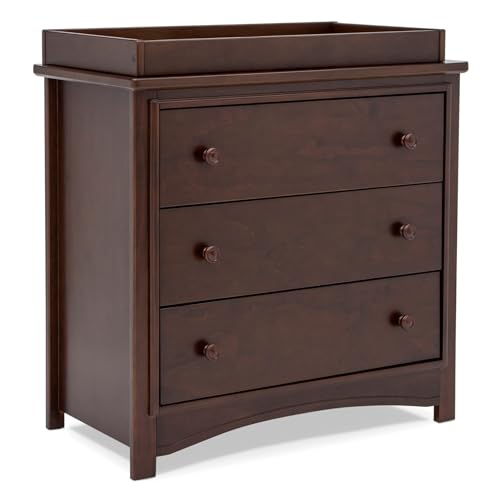
Delta Children Perry 3 Drawer Dresser with Changing Top and Interlocking Drawers, Walnut Espresso
Check price on Amazon
BOLUO Changing Table Dresser with Storage, Baby Dresser with Changing Table Top Diaper Changing Station with 7 Fabric Drawers for Nursery Modern
Check price on Amazon
Nordee Axio Baby Changing Table Dresser with Drawers, Natural Wood | Nursery Dresser with Removable Changing Table Top, 36'' Tall Diaper Changing Station, 4 Drawers, Adjustable Shelf
Check price on Amazon
White Changing Table Dresser, Baby Dresser with Removable Changing Topper | Mordern Nursery Dresser for Kids Bedroom, 5 Drawers & 2 Storage Shelves
Check price on Amazon
DTK Changing Table Dresser,4-Drawer Baby Dresser with Changing Table Top | Nursery Dresser, Baby Changing Table Dresser, Wood Changing Table with Storage, Diaper Changing Station for Nursery, White
Check price on AmazonReady to Choose Your Nursery Dresser Changing Table?
Use this guide to compare safety features, sizing, materials, and storage layouts. The right combo keeps your baby's essentials organized and your nursery functional from day one through the toddler years.
View Recommended OptionsFrequently Asked Questions
Can any dresser be used as a changing table?
Not safely. A dresser used as a changing surface must meet minimum depth requirements (at least 18–20 inches), be stable, and be anchored to the wall. A proper changing topper with raised edges and a safety strap is strongly recommended to prevent the pad from shifting and to keep the baby secure during changes.
How long can my child use a nursery dresser changing table?
The changing function typically lasts until the child is 18–24 months old, depending on size and mobility. After that, the topper can be removed and the dresser continues as standard bedroom storage. Many families use the same dresser through elementary school and beyond, which makes it a long-term furniture investment.
What is the ideal height for a changing surface?
Most caregivers find a surface height of 36–40 inches from the floor comfortable. This range reduces back strain while keeping the baby within a safe, controlled reach. If multiple caregivers of different heights share the duty, aim for the middle of that range and consider an anti-fatigue mat for long sessions.
Do I need a separate changing pad?
Yes. Even if the dresser includes a changing topper, you'll want a contoured changing pad with a waterproof liner and a washable cover. The pad adds cushioning and the contoured sides provide a gentle barrier that helps keep the baby centered on the surface.
How do I childproof a dresser changing table?
Anchor the dresser to a wall stud using the included anti-tip kit. Add drawer locks or straps once your child becomes mobile. Keep the changing pad and supplies out of reach when not in use, and never leave the baby unattended on the surface. Check the anchor and hardware monthly as part of your nursery safety routine.
Are there space-saving options for small nurseries?
Yes. A narrow dresser with adequate depth can serve as a compact changing station. Look for models with a smaller footprint but full-depth drawers, and consider vertical storage on the wall above the unit for diapers and supplies. Measuring your wall space and walking clearance before shopping prevents costly fit issues.
What should I look for in terms of finish safety?
Choose low-VOC or water-based finishes and ask about compliance with relevant furniture safety standards. Avoid units with strong chemical odors when unboxed. Since nursery furniture sits in a room where a baby sleeps, prioritize finishes that are durable, easy to wipe clean, and free from harmful emissions.
Related Guides
Still comparing options? Review our guides on natural wood dresser for nursery, navy blue changing table dresser, and nursery dresser with changing top to see how different styles and configurations fit into real nursery layouts.