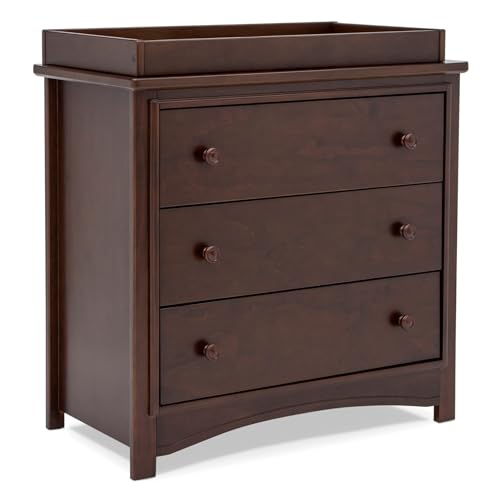
Navy Blue Changing Table Dresser: The Complete Guide
Everything you need to know about choosing a navy blue changing table dresser for your nursery — safety, storage, style, and long-term value in one practical piece of furniture.
Explore Top PicksWhat Is a Navy Blue Changing Table Dresser?
A navy blue changing table dresser is a dual-purpose nursery furniture piece that merges a traditional chest of drawers with a secured changing station on top. Instead of buying a separate changing table and dresser, parents get a single unit that handles both diaper changes and clothing storage — a smart space-saving solution for nurseries of any size.
The changing surface is typically a removable contoured pad or a topper with raised sides that sits atop the dresser. Once your child outgrows the changing phase, the top comes off and the unit transitions into a standard dresser that serves for years. This makes it a long-term investment rather than a short-lived baby item.
Navy blue — a deep, rich shade that sits between dark blue and black — has become a favorite in nursery design because it works across themes: nautical, modern, traditional, and gender-neutral. It pairs beautifully with gold hardware, natural wood accents, white trim, and soft pastel textiles.
Quick Definition
A navy blue changing table dresser is a nursery dresser with a removable changing station, finished in a deep navy blue colorway. It provides both diaper-changing functionality and drawer storage, then converts to a standard dresser as your child grows.
Why Choose Navy Blue for a Nursery Dresser?
Color choices in a nursery are more than aesthetic — they influence the room's mood and how easily the furniture adapts as your child grows. Navy blue stands out for several practical reasons:
- Gender-neutral versatility: Navy works equally well for boys, girls, and shared nurseries, making it a safe choice if you plan to reuse the piece for future children.
- Hides wear better than light colors: Darker finishes tend to mask minor scuffs, fingerprints, and everyday marks more effectively than white or pastel finishes.
- Grows with the child: A navy dresser transitions naturally from nursery to toddler room to teen bedroom without looking out of place.
- Pairs with many hardware finishes: Gold, brass, nickel, and black hardware all complement navy, giving you flexibility in styling.
- Sophisticated backdrop: Navy anchors a room and lets accent colors — from soft pinks to warm woods — stand out.
If you're exploring broader nursery storage options, our guide to nursery dresser and changing table combinations covers additional configurations and layout ideas.
Safety First: What Parents Must Check
Safety is the single most important factor when choosing any changing table dresser. A nursery furniture piece that isn't properly secured or certified can pose serious risks. Here's what to verify before you commit:
Anti-Tip Hardware
Every dresser — especially one with a changing station on top — must be anchored to the wall. Look for models that include anti-tip straps or brackets in the box. If they aren't included, purchase a wall-anchoring kit separately. This is non-negotiable for households with young children.
Changing Surface Security
The changing pad or topper should have raised edges on all four sides and a safety strap. Some models include a contoured pad with a buckle; others use a rimmed tray design. Whichever style you choose, confirm that the pad does not slide or shift when the dresser is bumped.
Drawer Safety Stops
Drawers should include stops that prevent them from pulling completely out. Soft-close or self-closing glides reduce the risk of pinched fingers and add a premium feel to daily use.
Certifications and Standards
Check that the unit meets applicable furniture safety standards, including stability requirements and non-toxic finish regulations. Reputable manufacturers list these certifications in product documentation.
Safety Reminder
Never leave a baby unattended on a changing surface, even for a moment. Always keep one hand on your child during changes, and anchor the dresser to the wall before first use.
Key Features to Look For
Beyond color, the functional details separate a frustrating piece from one that makes daily life easier. Here are the features that matter most:
| Feature | Why It Matters | What to Look For |
|---|---|---|
| Removable changing top | Allows the dresser to transition as your child grows | Topper that lifts off cleanly without tools |
| Drawer glides | Daily use demands smooth, quiet operation | Metal ball-bearing or soft-close slides |
| Drawer depth | Holds folded clothes and nursery essentials | Deep enough for stacked clothing; not too deep to reach |
| Finish durability | Navy finishes can chip if poorly applied | Multi-step finish, sealed surface, non-toxic paint |
| Hardware quality | Knobs and pulls endure constant handling | Solid metal hardware, secure attachment |
| Wall anchoring | Prevents tipping — a critical safety measure | Anti-tip kit included or clearly specified |
For a broader look at how these features compare across nursery storage types, see our detailed guide to nursery dresser with changing top models.
Quality Tiers Explained
Navy blue changing table dressers span a wide range of construction quality. Rather than focusing on figures, it helps to understand where a model sits on the quality spectrum. We use a simple tier system throughout this guide:
| Tier | Construction | Best For |
|---|---|---|
| Entry-Level | Engineered wood with laminate or painted finish; basic drawer glides | Short-term nursery use, secondary homes, tight spaces |
| Mid-Range | Solid wood frame with engineered panels; smooth metal glides; sealed finish | Primary nursery with plans to reuse for future children |
| Premium | Solid wood construction; soft-close hardware; multi-step finish | Long-term investment, design-conscious nurseries |
| Luxury | Hardwood solids, dovetail joinery, designer hardware, artisan finish | Heirloom-quality furniture intended to last generations |
Entry-level models are functional and get the job done, but may show wear sooner and offer less refined drawer action. Mid-range units strike a balance — they typically include sturdier joinery and smoother hardware that makes daily use noticeably more pleasant. Premium and luxury tiers use solid wood, better finishes, and hardware that stands up to years of use. For most families planning more than one child, mid-range or premium offers the best long-term value for its tier.
Buying Checklist: Questions to Ask Before You Decide
Before finalizing your choice, run through this checklist. It covers the practical questions that separate a good purchase from a regrettable one:
Space and Placement
- Measure the wall space where the dresser will sit — leave clearance for doors and drawers to open fully.
- Confirm the dresser height is comfortable for diaper changes; the changing surface should sit at a height that lets you stand without straining.
- Check that the unit can be anchored to a stud or suitable wall anchor.
Storage Needs
- Count the drawer configuration: wider drawers suit folded clothes; narrower drawers work for accessories and diapers.
- Consider whether you need open shelving or a cabinet section alongside drawers.
- Check drawer weight limits if you plan to store heavier items like blankets.
Style and Finish
- Confirm the navy shade matches your nursery palette — some navies lean toward black, others toward royal blue.
- Decide on hardware finish: gold and brass warm up navy; black and nickel keep it modern.
- Review the finish warranty and care instructions.
Assembly and Delivery
- Check whether assembly is required and what tools are included.
- Confirm the boxed weight and whether you'll need help moving it.
- Verify the return policy and warranty terms before ordering.
Setting Up Your Navy Blue Changing Table Dresser
Proper setup protects both your child and your furniture. Follow these steps when the unit arrives:
- Anchor first: Before loading drawers or placing the changing pad, secure the dresser to the wall using the included anti-tip hardware.
- Position the changing pad: Center the pad on the dresser top and confirm it does not overhang. If the model includes a safety strap, verify the buckle functions correctly.
- Organize drawers by frequency: Place most-used items — diapers, wipes, onesies — in the top drawers for easy reach during changes.
- Keep essentials within arm's reach: Use a small basket or organizer on top of the dresser for wipes and cream, but never leave small items within a child's reach.
- Test the drawers: Open and close each drawer to confirm smooth operation and that stops engage correctly.
If you're planning a coordinated nursery, explore nursery chest of drawers with changing table options that may pair well with other furniture in the room.
Care and Maintenance Tips
A navy finish is forgiving, but it still benefits from routine care. Keep these habits in mind:
- Dust regularly: Use a soft, dry cloth on the finish. Avoid abrasive cleaners that can dull the surface.
- Wipe spills promptly: Use a slightly damp cloth, then dry immediately to prevent moisture damage.
- Avoid harsh chemicals: Mild soap and water are sufficient for most marks.
- Inspect hardware: Periodically tighten knobs and pulls, and check the anti-tip anchor for security.
- Rotate seasonal items: As with any dresser, rotate stored clothing seasonally to keep drawers manageable and reduce wear on glides.
For drawer organization strategies that work especially well in nursery settings, see our nursery dresser ideas collection.
Ready to Find Your Perfect Navy Blue Changing Table Dresser?
Browse our curated selection of navy blue changing table dressers and nursery storage solutions — each chosen for safety, storage capacity, and long-term durability.
View RecommendationsFrequently Asked Questions
It's a dual-purpose nursery furniture piece that combines a chest of drawers with a secured changing station on top. It provides storage for baby clothes and essentials while offering a safe surface for diaper changes, then converts to a standard dresser as your child grows.
Yes, when properly selected and installed. Look for models that meet current safety standards, include anti-tip hardware, feature secure rails or a contoured changing pad, and have drawers with safety stops. Always anchor the unit to the wall before use.
The changing station is typically used until your child is around 12 to 18 months old or reaches the weight limit specified by the manufacturer. After that, the dresser continues to function as a standard storage unit for years.
Prioritize safety certifications, anti-tip straps, smooth-glide drawers, a removable changing top, durable finish, and sufficient drawer depth. Consider soft-close hardware, non-toxic paint, and a design that complements your nursery theme.
Yes. Most changing table dressers have a removable topper or pad. Once removed, the dresser functions as a standard chest of drawers, making it a long-term piece rather than a single-stage baby item.
Navy pairs well with gold or brass hardware, natural wood tones, white trim, and soft pastels. It also works in nautical, modern, and traditional themes. Choose bedding and accents that contrast or complement the navy shade without competing with it.