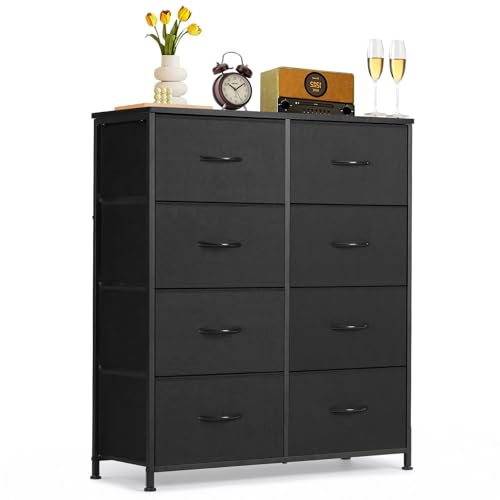
Lightweight Dresser for Bedroom
Discover practical storage solutions that are easy to move, rearrange, and fit into any bedroom layout without the strain.
Why a lightweight dresser matters: Whether you live in a rental apartment, rearrange your furniture often, or simply want a bedroom storage piece that is manageable to handle alone, a lightweight dresser offers real advantages. This guide covers materials, construction, and practical considerations to help you find a dresser that balances portability with durability.
What Makes a Dresser Lightweight?
A dresser's weight is determined primarily by two factors: the materials used in its construction and the design complexity of its build. Understanding these elements helps you evaluate options with confidence.
Materials That Reduce Weight
- Engineered wood (MDF, particleboard): Commonly used in lightweight furniture, these materials are denser than solid wood in some cases but allow for thinner, more efficient construction. Many entry-level and mid-range dressers use engineered wood with a veneer finish.
- Hollow-core construction: Some dressers use hollow panels or honeycomb cores to reduce mass while maintaining structural rigidity. This is more common in ready-to-assemble furniture.
- Aluminum or thin-gauge steel frames: Metal dressers or dressers with metal frames can be surprisingly light, especially when paired with lightweight drawer boxes.
- Bamboo: A renewable material that is lighter than many hardwoods while offering good strength. Bamboo dressers are often mid-tier in both weight and durability.
- Pine and softwoods: While solid wood, pine is significantly lighter than oak, maple, or walnut. A solid pine dresser can be a good balance of natural material and manageable weight.
Construction Features
- Thinner drawer sides: Drawer boxes made with thinner panels (typically 12mm versus 15mm or 18mm) reduce overall weight without sacrificing function.
- Simplified hardware: Fewer decorative elements and lighter drawer slides contribute to a lower total weight.
- Leg design: Tapered legs or metal legs are often lighter than thick, solid wood legs. Removable legs also make transport easier.
- Modular or flat-pack design: Dressers that ship flat and assemble on-site are typically engineered to be lighter and easier to handle.
Material Comparison for Lightweight Dressers
The table below compares common dresser materials by weight characteristics and market tier, helping you match your needs with the right option.
| Material | Weight Profile | Durability | Market Tier | Best For |
|---|---|---|---|---|
| Particleboard / MDF with veneer | Light to moderate | Moderate | Entry-level | Rentals, temporary setups, quick assembly |
| Hollow-core engineered wood | Very light | Light-duty | Entry-level | Dorm rooms, small apartments, light storage |
| Bamboo | Light | Good | Mid-range | Eco-conscious buyers, modern bedrooms |
| Solid pine | Moderate | Good | Mid-range | Natural look, family bedrooms, casual styles |
| Aluminum / thin steel frame | Light | Good (frame) | Mid-range | Industrial or modern decor, small spaces |
| Solid hardwood (oak, maple, walnut) | Heavy | Excellent | Premium | Long-term investment, permanent placement |
Note: Weight profiles are relative and depend on specific dimensions and construction methods.
Size and Drawer Count Considerations
The size of a dresser directly affects its weight, but a larger dresser with a lightweight build can still be easier to handle than a smaller solid wood piece. Consider these practical size categories:
Compact and Low-Profile Options
A low-profile dresser for bedroom is often lighter than a tall chest because it uses shorter side panels and fewer structural reinforcements. Low dressers also fit well at the foot of a bed or under a window, making them versatile for small rooms. If you need a piece that doubles as a bedside surface, a low chest of drawers for bedroom can work well without adding visual or physical bulk.
Narrow and Long Designs
A long narrow dresser distributes weight across a wider footprint, which can make it feel more stable despite being relatively light. These designs are excellent for narrow bedrooms or alcoves. For a different spatial approach, an L-shaped dresser can maximize corner storage while keeping individual panels smaller and therefore lighter.
Drawer Count and Weight
More drawers mean more material, but the difference is often less significant than the material choice itself. A six-drawer dresser built from lightweight engineered wood may weigh less than a four-drawer solid oak piece. If you need ample storage without excessive weight, consider a long dresser with lots of drawers in a lightweight construction. For smaller needs, a light wood 6 drawer dresser offers a balanced middle ground.
Design Styles That Suit Lightweight Construction
Lightweight dressers are available in a wide range of styles. The key is to choose a design that aligns with your bedroom's aesthetic while taking advantage of weight-saving construction.
Modern and Minimalist
Clean lines, flat fronts, and minimal ornamentation reduce material use and often result in a lighter piece. A light wood mid-century modern dresser combines a streamlined profile with tapered legs that are easy to disassemble for transport. Modern dressers often use metal or thin-profile pulls, further reducing weight.
Color and Finish Options
Lighter finishes not only create a sense of space but also often indicate simpler finishing processes. A light-colored dresser in white, cream, or pale gray can make a bedroom feel airier. If you prefer a subtle tone, a light grey dresser offers versatility. For a touch of personality, a light green dresser or light pink dresser can serve as a gentle focal point without adding visual heaviness.
Wood Tones
Natural wood finishes remain popular for their warmth and durability. A light oak dresser is a classic choice that pairs well with many decor styles. A light wood dresser in pine or bamboo offers a similar aesthetic with potentially lower weight. If you prefer a cohesive bedroom set, a light wood dresser and nightstand set or a light oak dresser and nightstand combination ensures visual consistency.
Practical Tips for Moving and Maintaining a Lightweight Dresser
- Empty all drawers before moving: Even a lightweight dresser becomes hazardous when loaded. Remove contents to protect both the furniture and your back.
- Use sliders or a hand truck: Furniture sliders work well on carpet and hard floors, making it easy to reposition a lightweight dresser without lifting.
- Check weight capacity per drawer: Lightweight construction sometimes means lower drawer weight limits. Distribute heavier items (like jeans or sweaters) across multiple drawers rather than concentrating them in one.
- Anchor to the wall: Lightweight dressers can tip more easily if a child climbs on them or if drawers are left open. Always use the provided anti-tip kit or purchase one separately.
- Inspect hardware periodically: Lighter materials may require more frequent checks of screws and fittings, especially after moving the dresser.
Who Should Choose a Lightweight Dresser?
Lightweight dressers are not for everyone, but they excel in specific situations:
- Renters and frequent movers: If you relocate often, a lighter dresser reduces moving effort and the risk of damage during transport.
- Small bedrooms and apartments: Lightweight dressers are often more compact and easier to fit into tight spaces, especially when paired with low dresser for closet configurations.
- Dorm rooms and temporary setups: Flat-pack or modular lightweight dressers are ideal for temporary living situations.
- People who rearrange furniture often: A lightweight dresser allows you to refresh your bedroom layout without needing assistance.
- Upper-floor bedrooms: Carrying a heavy dresser up stairs is a common challenge; a lighter piece simplifies delivery and placement.
Pairing Your Lightweight Dresser with Other Bedroom Pieces
A dresser rarely stands alone in a bedroom. Consider how your lightweight dresser will interact with other furniture:
- Nightstands: A light brown dresser and nightstand pairing creates a coordinated look while keeping individual pieces manageable to move.
- Loft beds: In small bedrooms, a loft bed with dresser underneath maximizes vertical space. Lightweight dressers are easier to fit into these configurations.
- Changing table dressers: For nursery use, a light wood changing table dresser offers convenience but requires careful attention to stability and anchoring.
- Vanity and desk combinations: If your bedroom serves multiple purposes, a lightweight dresser can be paired with a compact desk or vanity area without overwhelming the room.
Find Your Ideal Lightweight Dresser
Browse our curated selection of lightweight dressers and bedroom storage solutions designed for easy handling and practical organization.
View Recommended OptionsFrequently Asked Questions
How much does a lightweight dresser typically weigh?
Weight varies significantly by size and material. A compact engineered-wood dresser may weigh under 50 pounds, while a larger solid pine piece might be in the 80–120 pound range. Hardwood dressers are generally heavier. Always check the product specifications for exact weight.
Are lightweight dressers less durable?
Not necessarily. Durability depends on construction quality, joinery, and materials. A well-made engineered-wood dresser from a reputable mid-range brand can last many years with proper care. However, entry-level lightweight dressers may have lower weight capacities and may not withstand heavy use as well as premium solid wood alternatives.
Can I use a lightweight dresser in a child's room?
Yes, but anchoring is essential. Lightweight dressers can tip if a child climbs on open drawers. Always secure the dresser to the wall using an anti-tip kit, and consider a light wood crib and dresser set designed with nursery safety in mind.
What is the best material for a lightweight dresser?
There is no single best material—it depends on your priorities. Engineered wood offers the lightest weight and is common in entry-level and mid-range furniture. Bamboo provides a sustainable mid-range option. Solid pine balances natural aesthetics with manageable weight. For maximum durability in a lightweight frame, consider metal-framed dressers or hybrid designs.
How can I make my existing dresser feel lighter?
You can reduce perceived weight by choosing a light-colored finish, adding tapered legs, or removing unnecessary hardware. Physically, emptying drawers and removing removable shelves can reduce weight during moves. For a more permanent solution, replacing heavy drawer slides with lighter alternatives is possible but requires some DIY skill.
Do lightweight dressers come in sets with matching furniture?
Yes. Many manufacturers offer coordinated sets. For example, a light wood dresser and nightstand set or a light gray dresser and nightstand set provides a cohesive look. These sets often share the same lightweight construction philosophy across all pieces.