
Light Wood Changing Table Dresser: The Complete Nursery Buying Guide
A light wood changing table dresser combines a gentle, airy finish with the practicality of a two-in-one nursery station. This guide walks you through safety requirements, materials, sizing, drawer configuration, and organization so you can choose a piece that serves your family for years.
Why a light wood changing table dresser makes sense: The soft tone reflects natural light, making small nurseries feel larger and calmer. More importantly, a well-built combo unit keeps diapering supplies, clothing, and bedding within arm's reach, reducing the number of trips across the room during a change.
What Exactly Is a Light Wood Changing Table Dresser?
A changing table dresser is a dresser with a removable changing topper or a dedicated contoured changing area on top. The "light wood" descriptor refers to the finish — natural oak, maple, birch, ash, or a pale stained veneer — rather than a specific construction method. These units are designed to serve two roles: a safe diapering surface during infancy and a standard drawer-based storage piece once the child outgrows the changing stage.
Most models fall into three broad tiers. Entry-level units often use engineered wood with a light wood laminate and offer three drawers. Mid-range models typically add solid wood fronts, soft-close slides, and a five-drawer layout. Premium and luxury pieces use solid hardwood construction, dovetail joints, and hand-finished surfaces that hold up to daily nursery use and later transition into a child's bedroom.
Why Choose a Light Wood Finish for the Nursery?
Finish choice affects both the visual atmosphere and the long-term versatility of the furniture. Light wood offers several practical advantages in a nursery setting:
- Brightens small rooms: Pale tones bounce natural light and prevent a compact nursery from feeling closed in.
- Pairs with any palette: A light wood base works with sage green, dusty blue, warm white, or bold accent walls without clashing.
- Hides minor wear: Light finishes tend to show scratches and dust less than dark stains, which matters in a high-traffic baby room.
- Grows with the child: Once the changing topper is removed, a light wood dresser reads as neutral furniture suitable for a toddler, school-age child, or guest room.
If you are comparing finish options across the broader category, our guide to light wood dressers covers tone matching and durability in more depth. For a coordinated nursery set, the light wood crib and dresser set is worth reviewing as well.
Safety Requirements You Must Verify Before Buying
A changing table dresser is only as safe as its weakest component. Before purchasing, confirm the following on the product specification sheet or by contacting the manufacturer directly.
1. Tip-Restraint Kit Included
Any dresser tall enough to serve as a changing station must ship with an anti-tip strap or wall-anchoring kit. This is non-negotiable. A fully loaded dresser with a baby on top is front-heavy, and anchoring to a wall stud is the single most effective safeguard.
2. Contoured Changing Pad and Restraint
The changing surface should accept a contoured pad with a safety belt or restraint strap. Flat surfaces without a restraint are not appropriate for infant changing. Many mid-range and premium units include a pad; entry-level tiers sometimes sell it separately, so check the listing carefully.
3. Stable Base and Reinforced Back Panel
Look for a wide footprint and a reinforced back panel. Units with a shallow depth and narrow legs are more prone to wobble. A heavy-duty base frame or a solid bottom rail improves stability considerably.
4. Non-Toxic Finish
Nursery furniture should use low-VOC or water-based finishes. Ask whether the product meets indoor air quality standards for children's furniture in your region. This is especially important because a light wood finish often involves a clear topcoat rather than a heavy pigment layer.
Sizing: Matching the Dresser to Your Nursery
Getting the dimensions right prevents the two most common nursery furniture mistakes: a unit that blocks a doorway and a changing surface that strains your back. Use the table below as a starting reference for the three main size classes.
| Size Class | Typical Width | Drawer Count | Best For |
|---|---|---|---|
| Compact | Under 36 inches | 3 drawers | Small nurseries, apartments, shared bedrooms |
| Standard | 36 to 48 inches | 4 to 6 drawers | Most nurseries, full clothing and diaper storage |
| Wide | Over 48 inches | 6 to 9 drawers | Large rooms, dual-purpose storage, twins |
Height matters too. The top of the changing pad should sit at roughly waist level for the caregiver who handles most changes — commonly 36 to 40 inches from the floor. If two caregivers of very different heights share the duty, aim for the midpoint rather than optimizing for one person.
Clearance matters. Leave at least 30 inches of open floor in front of the dresser so the drawers can open fully and you have room to stand during a change. If your room is tight, a small dresser layout with a compact topper may fit better than a standard-width unit.
Drawer Configuration and Internal Layout
The drawer layout of a changing table dresser determines how usable the unit is day to day. A flat, uniform grid of drawers looks tidy in photos but is often less practical than a mixed layout.
Mixed-Depth Drawers Work Best
A top row of shallow drawers is ideal for wipes, diaper cream, thermometers, and small grooming items. Deeper lower drawers accommodate folded clothing, sleep sacks, and spare bedding. Mid-range models increasingly offer this split layout as standard.
Drawer Slides and Stops
Soft-close slides reduce slamming and pinched fingers. Equally important is a drawer stop or three-quarter extension design that prevents a fully loaded drawer from being pulled completely free. For a nursery, this is a meaningful safety detail rather than a convenience feature.
Interior Width and Folding Fit
Measure the internal drawer width against your folded clothing size. A drawer interior of roughly 18 to 22 inches wide accommodates most baby and toddler folds in a single row. Narrow drawers force vertical stacking, which makes it harder to see what you have.
If you plan to use the dresser for older children later, a light wood 6 drawer dresser offers more long-term capacity than a three-drawer nursery-only model.
Materials and Construction: What the Finish Hides
A light wood finish can be applied to very different underlying materials, and the difference shows up in durability after the first year. Here is how the main construction types compare.
| Construction | Characteristics | Tier Typical |
|---|---|---|
| Engineered wood with laminate | Uniform finish, lighter weight, sensitive to moisture at seams | Entry-level |
| Engineered core with solid wood fronts | Better dent resistance on visible faces, good stability | Mid-range |
| Solid hardwood with veneer panels | Heavier, repairable surface, resists warping over time | Premium |
| Solid hardwood with dovetail joinery | Long-term durability, refinishable, holds resale position | Luxury |
Regardless of tier, check the drawer box construction. Stapled and glued drawer boxes are common at entry level; screwed and doweled boxes appear more often in mid-range units; dovetail joints signal a high-end or luxury build. Also confirm whether the back panel is a thin fiberboard sheet or a thicker structural panel, since the back contributes to rigidity.
For a deeper comparison of wood species used in nursery furniture, our light oak dresser guide explains grain and hardness differences that affect how a finish ages.
Organizing a Changing Table Dresser for Daily Use
A well-organized changing station shortens every diaper change and reduces the chance of leaving the baby unattended to fetch a supply. The following layout works well for most families.
Top Surface
Keep only the changing pad, a small caddy for wipes and cream, and a night light if needed. Everything else should live in drawers or on a nearby shelf. A cluttered top surface invites items to fall onto the pad.
Top Drawer Row
Reserve the shallow top drawers for diapering consumables: diapers sorted by size, wipes, ointments, and a small first-aid kit. Use drawer dividers so items stay upright when the drawer is pulled.
Middle Drawers
Middle-depth drawers hold daily clothing — onesies, sleepers, socks, and bibs — organized by category. Fold items so the most-used sizes sit at the front.
Bottom Drawers
Use the deepest drawers for backup bedding, swaddle blankets, out-of-season clothing, and larger items. Heavier items at the bottom also improve the unit's center of gravity, which supports stability.
For a step-by-step drawer system that carries over to older children, see our dresser organization guide.
Placement and Room Layout
Where you place the unit affects both safety and usability. Position the dresser against a wall with the changing surface within easy reach of the crib, so nighttime changes involve minimal movement. Avoid placing it in front of a window or a heating vent. Anchor it to a wall stud regardless of the room layout.
If floor space is limited, consider the dresser as part of a storage wall with a light wood dresser and nightstand pairing for additional surface area, or explore broader nursery dresser options for inspiration.
Transitioning After the Diaper Stage
One of the strongest arguments for a combo unit is that it stays useful after the changing pad comes off. When the toddler phase begins, remove the topper and reconfigure the drawer contents for clothing and toys. The light wood finish reads as neutral bedroom furniture rather than a piece tied to infancy, which means you avoid replacing the unit at the next stage.
If you prefer a dedicated toddler layout later, the light colored dresser category covers standalone options that match a pale finish palette.
Common Mistakes to Avoid
- Skipping the wall anchor: The most common and most consequential oversight. Anchor first, load second.
- Choosing a dresser that is too tall: A changing surface above waist height forces an awkward reach and increases the risk of a fall.
- Ignoring drawer stops: A fully loaded drawer that slides free can tip a lighter unit or injure a toddler.
- Buying on finish alone: A beautiful light wood veneer over a weak drawer box will not survive nursery use.
- Forgetting clearance: Measure the drawer extension depth plus standing room before committing to a wide model.
Frequently Asked Questions
Is a changing table dresser safe for a newborn?
Yes, when it meets current safety standards and includes a secure restraint system, a contoured changing pad, and a stable base anchored to the wall. Always keep one hand on the baby during changes and never leave an infant unattended on the changing surface.
What is the ideal height for a light wood changing table dresser?
The changing surface should sit roughly at waist height for the primary caregiver, typically between 36 and 40 inches from the floor. Matching this range reduces back strain during frequent diaper changes.
Can a changing table dresser be converted for use after the baby grows?
Many light wood changing table dressers feature a removable changing topper. Once the diaper phase ends, the top lifts off to reveal a standard dresser surface that serves the child through the toddler years and beyond.
How many drawers should a light wood changing table dresser have?
A mid-range unit typically offers three to six drawers. Three drawers work for compact spaces, while five or six drawers provide enough room for diapers, wipes, clothing, and bedding in one organized unit.
What wood finishes are best for a nursery changing table dresser?
Light wood finishes such as natural oak, maple, birch, and ash are popular because they brighten the room and pair easily with other decor. Look for water-based, low-VOC finishes that are safer for indoor air quality in a nursery.
Ready to Compare Light Wood Changing Table Dressers?
Review the recommended models below, then cross-check each listing against the safety checklist and sizing table in this guide before you decide.
View Recommended ModelsRecommended Light Wood Changing Table Dressers and Nursery Storage
⚠️ AFFILIATE DISCLOSURE: This website contains affiliate links. As an Amazon Associate, we earn from qualifying purchases. If you make a purchase through these links, we may receive a small commission at no additional cost to you. Read our full affiliate policy.

Nordee Axio Baby Changing Table Dresser with Drawers, Natural Wood | Nursery Dresser with Removable Changing Table Top, 36'' Tall Diaper Changing Station, 4 Drawers, Adjustable Shelf
Check price on Amazon
Changing Table Dresser, Baby Nursery Dresser, Diaper Changing Table, Brown | 37 In High Ergonomic, 5 Drawers, Adjustable Shelves, Metal Handle, Curved Wrapping Design, Anti-tip Design
Check price on Amazon
Lovinouse 47.2" Solid Wood Baby Changing Table Dresser, Natural | 4 Drawers and 2 Doors, Changing Table Top, Safety Guardrails, Modern Nursery Dresser
Check price on Amazon
Storkcraft Alpine 6-Drawer Dresser, Driftwood | GREENGUARD Gold Certified, Brown Dresser for Bedroom, Kids & Nursery Storage, Safety Interlocking Drawers, Kids Bedroom
Check price on Amazon
St.Mandyu Wood Changing Table Dresser, Baby Nursery Dresser, Baby Diaper Changing Table, 5 Drawers, Adjustable Shelves, Metal Handle, Curved Wrapping Design, Nature
Check price on Amazon
Wide Baby Changing Table with 2 Doors, 2 Different Size Drawer&Storage Cubbies, Durable Wood Construction, Built-in Shelves for Ample Storage (Natural)
Check price on Amazon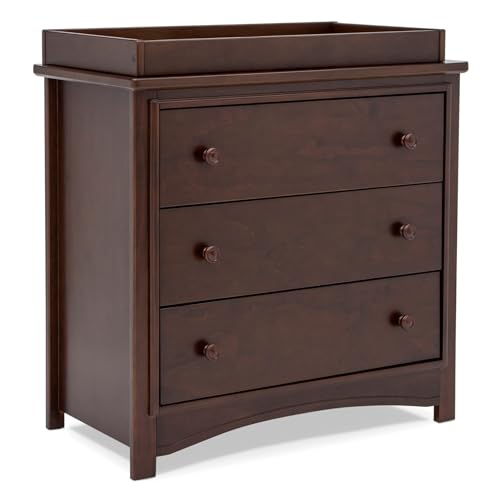
Delta Children Perry 3 Drawer Dresser with Changing Top and Interlocking Drawers, Walnut Espresso
Check price on Amazon