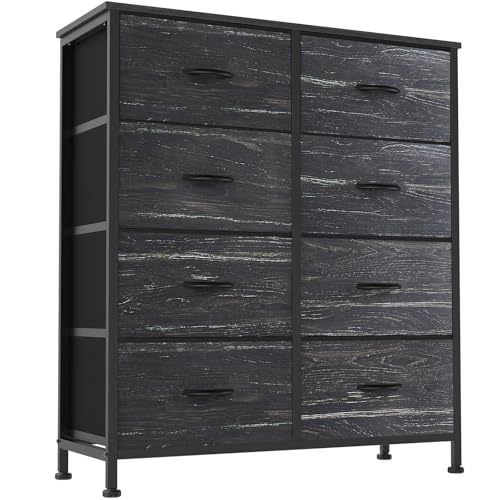
Large Dressers For Sale: Your Complete Buying Guide
When wardrobe space runs short, a large dresser becomes the workhorse of the bedroom. This guide breaks down sizing, drawer layouts, materials, and style options so you can choose a high-capacity piece with confidence.
Explore Large DressersWhy a large dresser deserves careful research: A large dresser is a long-term furniture investment that anchors the bedroom layout. Getting the width, drawer depth, and material right the first time prevents costly returns and years of frustration. The sections below cover exactly what to evaluate before you buy.
What Qualifies as a Large Dresser?
A large dresser is generally defined by its width rather than its height. Most furniture retailers classify a piece as large when it measures roughly 60 to 80 inches across, though some wide dressers exceed that range. Height typically falls between 30 and 40 inches, and depth sits between 18 and 22 inches. These proportions create a broad storage footprint that suits master bedrooms and guest rooms alike.
The distinction matters because a large dresser behaves differently in a room than a taller, narrower piece. A wide silhouette offers more usable top surface, which is ideal for mirrors, lamps, and decorative arrangements. If you prefer vertical storage that consumes less floor width, a large chest of drawers may be the better fit for your floor plan.
Buyers often use the terms interchangeably, but the layout of a bedroom usually determines which one works best. A large dresser for bedroom installations tends to sit against a long, uninterrupted wall, while a tall chest fits neatly into a corner or beside a door. Understanding this trade-off early will save time when you compare listings.
Sizing and Fit: Measure Before You Commit
The most common reason large dressers are returned is a mismatch between the piece and the room. Before browsing, measure the intended wall from end to end and note the position of outlets, vents, and light switches. Leave at least 30 inches of clearance for walkways and closet doors, and confirm that the delivery path—hallways, stairwells, and doorways—can accommodate the crate.
- Wall width: confirm the dresser fits with breathing room on both sides
- Ceiling height: taller models can crowd low ceilings
- Door clearance: verify the piece fits through entryways during delivery
- Flooring: consider protective pads for hardwood and tile
- Anchor points: secure heavy pieces with anti-tip hardware for safety
For rooms with limited floor space, a large capacity dresser can deliver substantial storage without overwhelming the layout. If the room is genuinely compact, review large dressers alternatives like low-profile or narrow-wide hybrids to find a better fit.
Drawer Configuration and Capacity
Drawer count alone does not tell the full story. What matters is the mix of drawer depths and widths. A well-designed large dresser typically includes a combination of shallow drawers for folded tops and deeper drawers for bulky items like sweaters and denim. This arrangement maximizes usable volume without forcing you to stack items awkwardly.
Consider how you organize clothing before choosing a configuration. If you fold most items, shallow drawers with dividers work well. If you store bedding or seasonal clothing, look for at least two deep drawers. For households that need to separate multiple users' belongings, a model with distinct drawer zones is more practical than one with uniform drawers.
If your storage needs skew toward vertical organization, a large tall dresser for bedroom options may provide a better drawer stack. For open-floor layouts, a long dresser offers linear storage that doubles as a visual anchor along a wall.
Materials and Construction Quality
Material choice has the greatest influence on how a large dresser ages. Solid wood remains the most durable option; oak, maple, and walnut are particularly resistant to wear and hold their shape over decades. Engineered wood with quality veneers is a solid mid-range alternative that resists warping and keeps the piece stable in humid climates.
Pay attention to drawer construction details, which separate durable pieces from short-lived ones. Dovetail joints, metal drawer glides, and reinforced corner blocks indicate a better build. Soft-close mechanisms reduce wear and add a premium feel. If you plan to move the dresser between homes, lighter materials are easier to handle but may flex under heavy loads.
Style Options to Match Your Bedroom
Large dressers are available across every major design language. Modern pieces favor clean lines, integrated handles, and matte finishes. Farmhouse styles lean on slatted details and painted surfaces. Mid-century modern designs pair tapered legs with warm wood tones. A large mid-century modern dresser works especially well in rooms with natural light and minimalist decor.
Finish selection also shapes the visual weight of the piece. A large white dresser keeps a room feeling open, while a large black dresser adds contrast and a grounded, dramatic look. For natural warmth, a large wood dresser brings texture that pairs easily with most bedding and textiles.
Comparison Criteria: What to Evaluate
Storage Capacity
Total usable drawer volume matters more than drawer count. Prioritize a mix of deep and shallow drawers for flexible organization.
Construction
Look for dovetail joints, metal glides, and reinforced corners. These details determine longevity in high-use bedrooms.
Stability
Wide pieces need anti-tip hardware and a solid base. Check weight ratings and whether the model includes wall anchoring.
Surface Area
A broad top surface accommodates mirrors, lamps, and decor. Confirm that the depth suits your display needs.
Finish Durability
Lacquered and veneered finishes resist stains. Solid wood can be refinished if scratched, extending usable life.
Assembly Burden
Some large models ship assembled; others require significant setup. Factor in time and tools before ordering.
Market Tiers at a Glance
To compare models fairly, classify them by market tier rather than by any single attribute. The table below uses consistent descriptors so you can match your expectations to the right category.
| Tier | Typical Build | Best For | Drawer Hardware |
|---|---|---|---|
| Entry-level | Engineered wood with veneer | Guest rooms and starter setups | Basic metal glides |
| Mid-range | Mixed solid and engineered wood | Primary bedrooms with daily use | Soft-close glides |
| Premium | Solid hardwood construction | Long-term family use | Dovetail joints with metal runners |
| Luxury | Select hardwoods and custom finishes | Design-led interiors and heirloom use | Hand-fitted, full-extension hardware |
Within each tier, models vary in how well they are specified. A well-specified mid-range dresser often outperforms a poorly built premium piece, so evaluate construction details rather than relying on tier labels alone.
Safety and Placement Considerations
Large dressers carry more mass and require proper anchoring, especially in homes with children or pets. Anti-tip straps or wall brackets are essential for any piece taller than 30 inches. Place the dresser on a level floor and avoid loading top drawers with heavy items that shift the center of gravity. If the dresser holds a mirror or television, confirm the combined weight is within the manufacturer's rated capacity.
Placement also affects usability. Avoid blocking heating vents or radiators, and leave space behind the unit for cable routing if you plan to place electronics on top. In smaller rooms, positioning the dresser opposite the bed creates a balanced layout and keeps the walking path clear.
A Practical Buying Checklist
Before finalizing a purchase, run through the following checklist to reduce the risk of a poor fit or premature wear.
- Measured wall width, height, and depth are confirmed
- Delivery path and doorway clearances verified
- Drawer layout matches your folding and storage habits
- Construction details inspected (joints, glides, corner blocks)
- Anti-tip hardware included or available
- Finish matches the bedroom's existing palette
- Assembly requirements and tools identified
- Return policy and warranty terms reviewed
Ready to Compare Large Dressers?
Browse curated large dressers and storage pieces selected for capacity, construction quality, and bedroom fit.
View Recommended Large DressersFrequently Asked Questions
How wide is a large dresser?
A large dresser typically measures between 60 and 80 inches in width, though wide dressers can exceed 80 inches. Height generally ranges from 30 to 40 inches, with depth between 18 and 22 inches.
How many drawers should a large dresser have?
Most large dressers offer between six and nine drawers. Models with a mix of deep and shallow drawers provide the most flexible storage for clothing, linens, and accessories.
What is the difference between a large dresser and a large chest of drawers?
A large dresser is wider and lower, often designed to hold a mirror or serve as a surface for decor. A large chest of drawers is taller and narrower, prioritizing vertical storage over surface area.
Which material is best for a large dresser?
Solid wood is the most durable choice for a large dresser, with oak, maple, and walnut offering excellent longevity. Engineered wood with quality veneers is a solid mid-range alternative that resists warping.
How do I choose the right size large dresser for my bedroom?
Measure the available wall space and leave at least 30 inches of clearance for walkways. Consider the room's layout, ceiling height, and whether the dresser will hold a mirror or TV before finalizing the width and height.