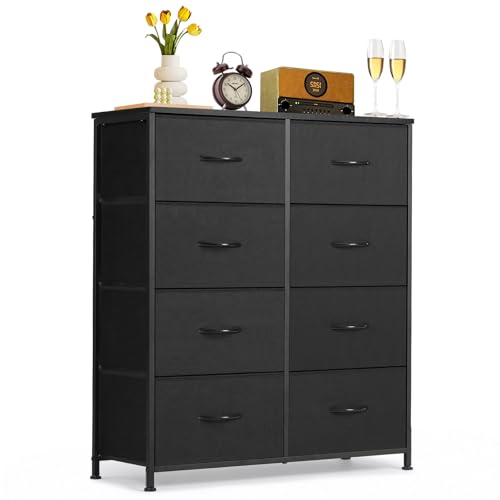
Complete Dresser Drawer Guide
From smooth-glide slides to smart organization, master every aspect of your dresser drawers for a clutter-free, stylish bedroom.
Explore Drawer TypesWhy Drawers Matter: The heart of any dresser is its drawers. Understanding drawer types, materials, and hardware ensures you choose a piece that is not only beautiful but also functional and durable for years to come.
Types of Dresser Drawers
Not all drawers are created equal. The construction and hardware determine how smoothly they operate and how much weight they can hold. Here are the most common types you'll encounter:
Standard Drawers
The most common type, featuring simple side-mounted or center-mounted slides. They are reliable and cost-effective, perfect for lighter items like t-shirts and linens. For heavier items, consider upgrading to higher-quality slides.
Soft-Close Drawers
These use advanced hydraulic or spring mechanisms to ensure a smooth, silent close. They prevent slamming and protect both the drawer contents and the dresser structure. Ideal for modern homes with active families.
Ball-Bearing Drawers
Built with ball bearings in the slides, these drawers glide with minimal friction and can support substantial weight. They are incredibly durable and offer a premium feel, making them a top choice for high-quality luxury dressers.
Dovetail Joint Drawers
A sign of superior craftsmanship, dovetail joints interlock the sides of the drawer front to back. This creates an incredibly strong bond that can withstand years of heavy use, often found in solid wood dressers.
Understanding Drawer Sizes & Depths
Size and depth are crucial for functionality. A shallow drawer is perfect for accessories, while a deep drawer can store bulky sweaters and jeans. When shopping, consider not just the overall dresser size but the internal drawer dimensions.
| Drawer Type | Typical Depth | Best For |
|---|---|---|
| Shallow Drawer | 3–5 inches | Jewelry, socks, ties, office supplies |
| Medium Drawer | 6–9 inches | Foldable shirts, pants, light sweaters |
| Deep Drawer | 10+ inches | Heavy sweaters, jeans, bulky items, or even as a nursery dresser for baby blankets. |
For instance, a 6-drawer dresser often combines a mix of shallow and deep drawers to provide versatile storage for the entire family.
Drawer Materials & Construction
The material of the drawer box itself is as important as the exterior of the dresser. Here’s what to look for:
- Solid Wood: The gold standard. Drawers made from solid pine, oak, or walnut are durable and can be sanded and refinished. They are a hallmark of high-quality wood dressers.
- Plywood: A strong and stable alternative. High-grade plywood is less prone to warping and is often used in mid-range to premium modern dressers.
- MDF (Medium-Density Fiberboard): Common in budget-friendly options. While affordable, it's less durable and can be damaged by moisture. It's often found in cheap dressers and is best avoided for long-term investment.
When evaluating a dresser, always open a drawer and inspect the quality of the joints. Dovetail or box joints are far superior to simple butt joints or staples.
Drawer Hardware & Slides
The hardware is the engine of your drawer. Here's what to know:
- Side-Mount Slides: The most common type, mounted on the sides of the drawer. They are reliable but can reduce the drawer's internal width.
- Center-Mount Slides: A single slide underneath the drawer. They are simple and cost-effective, but offer less stability.
- Undermount Slides: These are hidden beneath the drawer, offering a sleek, seamless look and often featuring soft-close technology. They are a hallmark of high-end design, common in luxury dressers.
The smoothness of a drawer opening and closing is a direct indicator of the quality of its slides. A well-made drawer should glide out effortlessly and close with a gentle push.
Expert Tips for Drawer Organization
Even the best dresser drawer is only as good as the organization within it. Here are some proven strategies to maximize your space and find what you need quickly.
Use Drawer Dividers
Perfect for keeping socks, underwear, and accessories neatly separated. Dividers prevent items from shifting and creating a chaotic mess. You can learn more about this in our dresser organization guide.
Roll Your Clothes
Rolling your t-shirts, pajamas, and jeans not only saves space but also minimizes wrinkles. It's a game-changer for deep drawers, making it easy to see every item at a glance.
Vertical Filing
For items like sweaters or jeans, fold them and place them upright like files. This technique, popularized by the KonMari method, allows you to see every item at once without rummaging.
Seasonal Rotation
Store off-season clothing in deeper, less accessible drawers or under-bed storage. This keeps your primary drawers for current-season items and reduces clutter. For more ideas, check out our closet organization ideas.
Choosing the Perfect Dresser with the Right Drawers
With a deep understanding of drawers, you can now make an informed decision. Here's a step-by-step guide to help you select the perfect dresser for your home.
- 1. Assess Your Storage Needs: What do you plan to store? Delicate items need shallow drawers, while bulky clothes need deep ones. Consider a tall dresser for vertical space or a wide dresser for a larger footprint.
- 2. Measure Your Space: Always measure the intended area. A narrow dresser is perfect for small hallways or tight bedrooms, while a large dresser is ideal for master suites.
- 3. Consider the Style: The style of the dresser should complement your existing decor. Explore different styles like farmhouse dressers, mid-century modern dressers, or boho dressers.
- 4. Check the Finish: The color and finish can dramatically impact the room's feel. Classic choices like a white dresser create a bright, airy feel, while a black dresser adds a dramatic, modern touch.
- 5. Test the Drawers: Always open and close the drawers in the store or online. Look for smooth action, soft-close features, and sturdy construction. High-quality drawers are the foundation of a durable bedroom dresser.
By following these steps, you'll ensure that your new dresser not only looks beautiful but also functions perfectly for your daily life.
Caring for Your Dresser Drawers
To keep your drawers functioning smoothly for years, regular maintenance is key. Here are a few simple tips:
- Keep Them Clean: Regularly vacuum the inside of drawers and wipe them down with a soft cloth. For a deeper clean, learn how to clean a dresser properly.
- Lubricate Slides: If a drawer starts to stick, apply a small amount of paraffin wax or silicone spray to the slides. Avoid oil-based lubricants which can attract dust.
- Avoid Overloading: Respect the weight limit of your drawers. Overloading can strain the slides and warp the wood over time. Consider a dresser set to distribute storage needs across multiple pieces.
- Check Hardware: Periodically tighten screws and handles to prevent wobbling. This is especially important for children's furniture like a kids dresser or nursery dresser.
Proper care will not only extend the life of your dresser but also maintain its appearance and resale value.