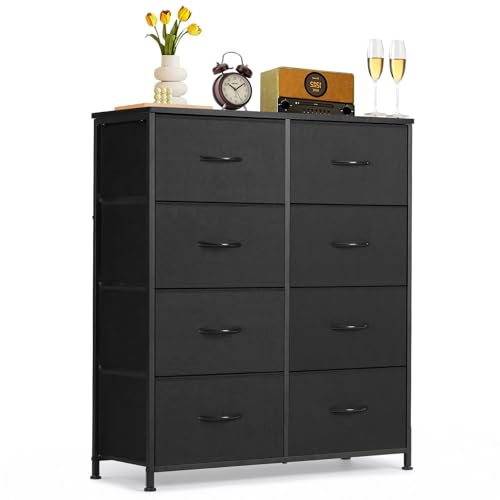
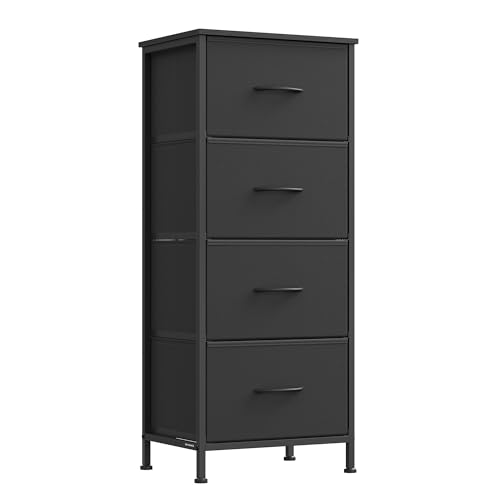
Drawers: The Complete Guide to Types, Materials & Organization
Everything you need to know about dresser drawers — from slide mechanisms and wood types to sizing standards and smart organization systems that keep your bedroom clutter-free.
START LEARNINGWhy drawers matter: A dresser is only as good as its drawers. The right drawer construction, slide mechanism, and internal layout determine how long your furniture lasts and how easily you stay organized. This guide breaks down every drawer detail so you can evaluate a piece before it enters your home.
What Are Drawers and Why They Matter
A drawer is a sliding storage compartment built into a piece of furniture such as a dresser, chest, nightstand, or cabinet. While the concept seems simple, the engineering behind a quality drawer involves the box construction, the slide mechanism, the front panel, and the internal organization system working together. The quality of drawers is often the single biggest factor separating a furniture piece that lasts decades from one that starts sticking within a year.
When shoppers research dressers, they often focus on the external style — finish, hardware, silhouette. But the drawers themselves deserve equal attention. A beautiful dresser with poorly constructed drawers will frustrate you daily through wobbly slides, sagging bottoms, and misaligned fronts. Understanding drawer anatomy helps you evaluate any piece with confidence, whether you are browsing a showroom or reading an online listing.
If you are still deciding between furniture formats, our guide on dresser and chest of drawers comparisons clarifies how drawer configurations differ between these two popular categories. For a broader purchase framework, the complete dresser buying guide walks through the full decision process.
The Anatomy of a Quality Drawer
Every drawer consists of several components, and each one affects durability and usability. Learning to identify these parts helps you spot weak construction before you commit to a purchase.
Drawer Box Construction
The drawer box is the container itself, made of the bottom panel, side panels, and back panel. The two most common joinery methods are dovetail joints and stapled or nailed joints. Dovetail joints interlock the side and front panels in a way that resists pulling apart, and they are a hallmark of premium and high-end tier furniture. Stapled joints are faster and less durable, typically found in entry-level pieces. The drawer bottom should be set into a groove rather than merely stapled to the underside, because a grooved bottom supports heavier contents without sagging.
Drawer Fronts
The drawer front is the visible face panel. It can be flat, raised, shaker-style, or detailed with molding. Beyond aesthetics, the front affects how well the drawer aligns within the dresser frame. Solid wood fronts are durable and can be refinished, while veneered fronts offer a consistent grain appearance. For a deeper dive into face panel styles and replacement options, see the drawer front reference page.
Drawer Slides and Glides
Slides are the hardware rails that allow the drawer to move in and out. They come in several categories, and the type you choose affects smoothness, load capacity, and access. Heavy contents such as denim, tools, or stacked linens demand reinforced slide hardware. Our dedicated resource on heavy-duty full-extension drawer slides explains load ratings and mounting options in detail.
| Slide Type | Best For | Durability Tier | Access Level |
|---|---|---|---|
| Wood-on-wood runners | Vintage and rustic pieces | Entry-level | Partial |
| Roller slides | Light bedroom storage | Entry-level to mid-range | Partial |
| Ball-bearing side mounts | Everyday dresser use | Mid-range | Three-quarter |
| Full-extension ball-bearing | Full visibility and access | Premium | Full |
| Undermount soft-close | Quiet luxury bedrooms | Luxury | Full |
Soft-close mechanisms are now common in luxury and top-tier furniture, gently pulling the drawer shut to prevent slamming. If quiet operation matters in your home, prioritize undermount soft-close slides during your search.
Common Drawer Types and Their Uses
Not all drawers serve the same purpose. Furniture makers design different drawer profiles for different contents. Recognizing these types helps you match storage to your actual wardrobe and habits.
Standard Depth Drawers
Typically 8 to 10 inches deep, these are the workhorse drawers for folded clothing such as t-shirts, jeans, and casual wear. They balance capacity with visibility and are the most common drawer type in bedroom dressers.
Shallow Drawers
Often 5 to 7 inches deep, shallow drawers suit accessories, socks, underwear, and jewelry. They prevent small items from getting lost in deep piles. Many dressers dedicate the top row to shallow drawers for exactly this reason.
Deep Drawers
At 10 to 12 inches or more, deep drawers accommodate bulky items like sweaters, bedding, towels, and seasonal clothing. They are common in the lower section of chests and in wider dresser configurations.
Divided and Specialty Drawers
Some drawers include built-in dividers or inserts for jewelry, ties, or small accessories. These specialty configurations reduce the need for aftermarket organizers. Our guide to drawer organizers covers insert options and layout strategies for every drawer size.
If you are furnishing a closet rather than a bedroom, look at dressers designed specifically for that environment, such as a dresser for closet layout, which often uses taller stacks of shallow drawers to maximize vertical storage.
Drawer Materials: Wood, Engineered Board, and Metal
The material of the drawer box and front affects weight, durability, and how the piece ages. Here is how the main options compare across quality tiers.
- Solid hardwood (oak, maple, walnut, mahogany): The most durable choice, solid wood drawers resist warping and can be sanded and refinished. Dovetail joinery paired with solid wood represents premium to luxury tier construction and is a long-term investment for a primary bedroom.
- Engineered wood with veneer: A mid-range option that offers a consistent appearance and good stability. Quality veneers over plywood cores perform well for years, especially when the drawer box uses reinforced corners.
- Particleboard and MDF: Common in entry-level furniture. These materials are heavier and less resistant to moisture, so they suit light-use bedrooms and secondary rooms. Screw holding strength is lower, which matters if drawers are opened and closed frequently.
- Metal drawers: Found in industrial and modern designs, metal drawers are durable and easy to clean. They are less common in traditional dressers but excellent for workshops, closets, and contemporary interiors.
For a closer look at how wood species affect appearance and longevity, our dresser quality guide compares construction standards across tiers. If you are restoring an older piece, the dresser restoration resource explains how to repair sticking drawers and refresh worn runners.
Drawer Sizes and Space Planning
Drawer dimensions vary by furniture category, but standard ranges help you plan. The table below summarizes typical measurements so you can compare listings more accurately.
| Drawer Category | Typical Width | Typical Depth (Front to Back) | Typical Height |
|---|---|---|---|
| Nightstand drawer | 14–20 in | 12–16 in | 5–7 in |
| Standard dresser drawer | 24–36 in | 14–18 in | 7–10 in |
| Wide dresser drawer | 36–48 in | 16–18 in | 8–10 in |
| Deep chest drawer | 28–38 in | 16–18 in | 10–12 in |
| Lingerie / accessory drawer | 16–24 in | 12–16 in | 4–6 in |
When measuring your room, remember that full-extension slides require extra clearance in front of the dresser. A drawer that extends 18 inches needs roughly that much open floor space to open completely. In tight bedrooms, partial-extension slides may be a practical compromise. For rooms with limited floor area, our dresser for small spaces guide covers compact configurations that still offer generous drawer capacity.
Drawer Organization That Actually Works
Even the best-built drawers become frustrating if they are disorganized. A simple system based on frequency of use and category separation transforms daily routines.
- Assign one purpose per drawer: Dedicate individual drawers to specific categories — one for t-shirts, one for workout wear, one for socks. Mixing categories creates clutter and slows you down.
- Use dividers and inserts: Physical dividers keep categories separated and prevent items from sliding into a jumbled pile. Read the drawer dividers guide for sizing and material recommendations.
- Fold vertically: Standing folded clothes upright, file-style, lets you see every item at a glance. This method works especially well in standard depth drawers.
- Keep heavy items low: Place dense, heavy contents in lower drawers to keep the dresser stable and reduce strain on upper slides.
- Rotate seasonally: Move off-season clothing to higher or less accessible drawers, and keep daily essentials within easy reach. Our dresser organization ideas collection expands on this approach with room-specific layouts.
For a structured walkthrough of drawer-by-drawer planning, including folding techniques and rotation schedules, the dresser organization ideas guide and the drawer organizers overview together cover both the system and the tools to implement it.
Drawer Hardware: Knobs, Pulls, and Handles
Hardware is the most visible drawer detail and the easiest to upgrade. Knobs suit traditional and farmhouse styles, while bar pulls and handles work well in modern and mid-century designs. The spacing between mounting holes matters if you plan to replace hardware on an existing piece — measure twice before ordering.
Our resources on drawer pulls, dresser knobs, and the broader dresser hardware guide explain finishes, sizing standards, and installation tips. If you are refreshing an older dresser, hardware replacement is one of the most effective low-effort upgrades you can make.
Maintaining Drawers for Longevity
Regular maintenance keeps drawers gliding smoothly for years. Apply a silicone-based lubricant to metal slides annually, and use paraffin wax on wood-on-wood runners. Check screws on handles and pulls every few months, as they loosen with use. Avoid overloading drawers beyond their rated capacity, and keep the interior dry to prevent warping in humid rooms.
If a drawer begins to stick, first check alignment and debris in the slides before assuming the hardware has failed. Many sticking issues resolve with cleaning and realignment. When a drawer bottom sags, reinforcing it with a brace or replacing the panel restores function without replacing the entire piece.
Frequently Asked Questions About Drawers
What is the difference between a drawer and a chest of drawers?
A drawer is a single sliding storage box within a piece of furniture. A chest of drawers is the entire furniture piece composed of stacked drawers, typically taller than it is wide. Understanding this distinction helps you shop more precisely and choose the right storage configuration for your bedroom.
Which drawer slide type is best for heavy items?
Heavy-duty full-extension ball-bearing slides are the best choice for heavy items because they support greater weight and allow the drawer to open completely. Look for slides rated for high load capacity and reinforced side mounts when storing dense items like denim, tools, or linens.
How deep should dresser drawers be?
Standard dresser drawers range from about 14 to 18 inches deep. Shallow drawers of 6 to 8 inches work well for folded shirts and accessories, while deeper drawers of 10 to 12 inches suit bulky items like sweaters and bedding. Matching depth to contents improves organization and prevents wasted space.
What are the most durable drawer materials?
Solid wood such as oak, maple, and walnut offers the most durable drawer construction. Dovetail joints and reinforced bottoms add longevity. Engineered wood with quality veneers can be a solid mid-range option, while particleboard is best suited to entry-level pieces with lighter use.
How can I organize drawers efficiently?
Use drawer dividers to separate categories, fold clothes vertically for visibility, and assign each drawer a single purpose. Rotate seasonal items and keep frequently used pieces in the top drawers. A consistent system reduces clutter and makes daily routines faster.
Ready to Choose the Right Drawer Storage?
Use the guides above to evaluate construction, match drawer types to your wardrobe, and build an organization system that lasts. When you are ready to compare specific products, explore our recommended dressers below.
EXPLORE RECOMMENDED OPTIONS