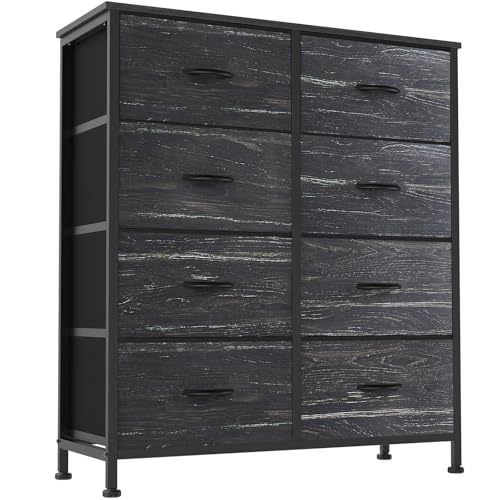
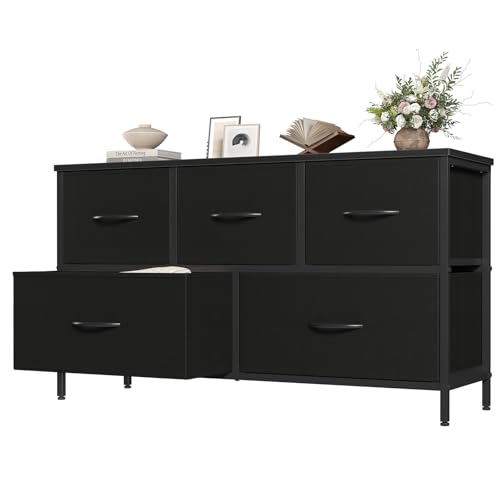
Cheap Wooden Dressers For Sale: Smart Storage Picks
Explore wooden dressers across every tier, understand what separates entry-level from premium construction, and choose the right wood dresser for your bedroom with confidence.
Why this guide matters: When you search for wooden dressers for sale, the choices can feel overwhelming. This guide breaks down wood types, drawer construction, tier differences, and practical storage considerations so you can compare options on equal footing — without guesswork.
What Makes a Wooden Dresser Worth Choosing
A wood dresser is more than a storage box. It anchors the bedroom, absorbs daily wear, and influences how easily you keep clothes organized. When browsing wooden dressers for sale, the most useful filter is not the label on the tag but the construction underneath the finish.
Three factors separate a dresser that lasts from one that loosens within a few seasons:
- Frame material: Solid wood frames resist racking better than thin engineered panels. Quality engineered wood with a veneer can still perform well when reinforced.
- Drawer joinery: Dovetail joints signal a higher construction tier, while stapled or glued joints are common in entry-level models.
- Drawer slides: Smooth, full-extension slides make daily use easier. Metal ball-bearing slides are a reliable mid-range standard.
If you want a broader comparison of materials, our wooden dresser overview and the dresser buying guides section provide deeper context on construction tiers and long-term durability.
Wood Types You Will See in Wooden Dressers for Sale
The wood species affects weight, grain character, stability, and how the finish ages. Each species fits a different tier and use case.
Pine
Pine is a classic entry-level and mid-range choice. It is lighter in weight, shows knots and grain prominently, and responds well to painted finishes. Pine can dent more easily than hardwoods, so it suits low-traffic bedrooms or painted designs where character marks are acceptable.
Oak
Oak is a durable hardwood with an open grain that takes stain and lacquer beautifully. It sits comfortably in the mid-range to premium tiers. Oak dressers are heavy, stable, and often built with reinforced frames — a strong pick if you want a long-term piece.
Walnut
Walnut brings a rich, dark tone and tight grain. It is typically a premium or luxury tier wood, valued for its natural color depth and smooth finish. Walnut dressers suit modern and mid-century interiors and often feature minimalist hardware.
Maple and Cherry
Maple is dense and fine-grained, often used in high-end tier pieces with a clean, contemporary look. Cherry darkens over time with light exposure, giving it a warm patina that many buyers seek in premium traditional designs.
Comparing Wooden Dresser Tiers
Use this tier framework to compare wooden dressers for sale on construction and features rather than on labels alone.
| Tier | Typical Construction | Best For | Drawer Features |
|---|---|---|---|
| Entry-level | Engineered panels with wood veneer; partial solid wood accents | Guest rooms, first apartments, seasonal use | Basic side-mounted slides; stapled or glued joints |
| Mid-range | Solid wood frame with engineered panels; pine or oak primary wood | Primary bedrooms, daily use, family homes | Ball-bearing slides; reinforced corner blocks; some dovetail joints |
| Premium | Solid oak, walnut, or maple; dovetail drawer boxes | Long-term ownership; design-forward bedrooms | Full-extension soft-close slides; solid wood drawer sides |
| Luxury | Solid hardwood throughout; hand-finished surfaces | Statement furniture; heritage-style interiors | Hand-fitted drawers; premium hardware; custom sizing |
Mid-range models usually offer smoother slide mechanisms and sturdier drawer boxes than entry-level pieces, while premium and luxury tiers focus on joinery precision and finish quality. For a closer look at solid wood versus engineered options, see our solid wood chest of drawers guide.
Drawer Count, Size, and Room Fit
The right drawer count depends on how many people use the dresser and what you plan to store. Here is a practical starting point:
- Three drawers: Compact bedrooms, entryways, or a single user with a capsule wardrobe. Often pairs well with closet storage.
- Four to five drawers: The most common bedroom configuration. Balances folded clothing, accessories, and occasional bulky items.
- Six or more drawers: Couples, shared rooms, or households that store linens and seasonal clothing in the bedroom.
Depth matters as much as count. Deep drawers handle sweaters and bedding, while shallow drawers keep folded shirts and delicates organized. If floor space is tight, a tall, narrow silhouette can deliver more storage per square foot — our tall narrow chest guide covers that layout in detail.
For small rooms, consider a compact dresser that fits against a short wall without blocking circulation. Measure the wall, the swing path of doors, and the height of nearby outlets before committing.
What to Check Before You Commit
When comparing wooden dressers for sale online, the product photos rarely tell the whole story. Use this checklist to evaluate listings:
- Read the material description closely: Look for phrases like "solid wood frame," "wood veneer," or "engineered wood." A clear description is a good sign of an honest listing.
- Check drawer weight ratings: If the listing mentions load capacity per drawer, compare it to your intended use. Heavier loads benefit from metal slides and reinforced boxes.
- Review assembly requirements: Flat-pack dressers are common at entry-level. If you prefer a rigid, pre-assembled piece, filter accordingly.
- Confirm finish durability: Lacquered and polyurethane finishes resist moisture better than oiled finishes. Match the finish to your room's humidity and cleaning habits.
- Verify safety features: Anti-tip straps are essential for tall dressers, especially in homes with children. Check whether the hardware is included.
For a step-by-step framework that goes beyond this checklist, explore the dressers for sale guide and the buy dresser resource.
Placement and Styling Considerations
A wooden dresser can serve as a focal point or blend into the background depending on finish and hardware. Lighter woods like pine and maple open up small rooms, while walnut and dark-stained oak add visual weight and warmth.
Consider how the dresser relates to your bed height. A dresser that sits slightly below or level with the mattress line feels balanced. In rooms with limited floor space, a low and wide design can double as a console — see our low and wide chest of drawers notes for proportion guidance.
Hardware is an easy upgrade point. Swapping basic pulls for mid-century modern cabinet pulls can shift a dresser's style without replacing the piece.
Frequently Asked Questions
What should I look for in a wooden dresser for sale?
Focus on wood type, drawer joint construction, and hardware quality. Solid wood frames and dovetail joints usually signal a longer-lasting piece, while stapled or glued joints indicate entry-level construction. Also check drawer slide smoothness and finish durability.
Is solid wood always better than engineered wood?
Not always. Solid wood offers longevity and refinishing potential, but quality engineered wood with a wood veneer can be stable and well-specified for its tier. The key is matching the material to your room humidity, use case, and desired maintenance level.
How many drawers do I need in a wooden dresser?
For a single adult, a four- to five-drawer dresser often covers everyday clothing. Couples or families may prefer six or more drawers, while small rooms benefit from tall, narrow designs. Consider deep drawers for bulky items and shallow drawers for folded garments.
Final Thoughts on Choosing a Wooden Dresser
The best wooden dresser for your home is the one whose construction matches how you actually live. Entry-level pieces suit guest rooms and light use; mid-range models deliver the sweet spot of durability and refinement for daily life; premium and luxury tiers reward buyers who want heirloom potential and design precision.
Before you finalize a choice, compare drawer slides, confirm the material description, and measure your space. If you are still weighing formats, our chest of drawers overview and the wooden dressers collection page offer additional reference points to help you decide with confidence.