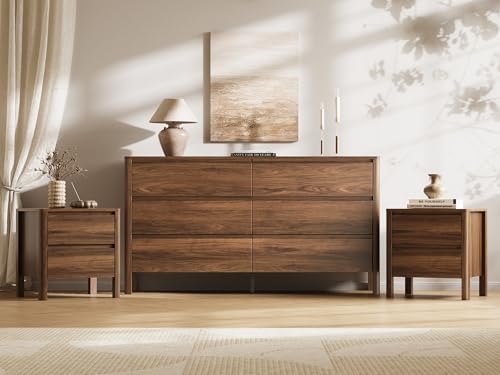
Bedroom Furniture Dresser and Nightstand
Everything you need to know about pairing a dresser and nightstand for a cohesive, functional bedroom — from sizing and materials to storage layout and style matching.
Explore the GuideWhy this pairing matters: A dresser and nightstand are the two most-used storage pieces in any bedroom. When they work together — in scale, finish, and function — the room feels intentional and calm. When they don't, even a well-designed bedroom can feel disjointed. This guide walks you through the decisions that actually matter.
Why a Dresser and Nightstand Belong Together
The bedroom dresser and nightstand set is more than a matching furniture purchase. Together, these two pieces cover the full range of bedroom storage: the dresser handles folded clothing, linens, and larger items, while the nightstand keeps daily essentials within arm's reach — a book, a lamp, a phone, a glass of water.
Beyond function, a coordinated pair anchors the visual rhythm of the room. The dresser typically sits against a long wall, and the nightstands flank the bed. When they share materials, hardware finishes, and proportions, the eye reads the room as a single composition rather than a collection of unrelated objects.
For buyers in the research phase, the key insight is this: you don't need identical pieces. You need pieces that share a design language. That distinction opens up far more options — and often better storage outcomes — than shopping only for matching sets.
Getting the Proportions Right
Scale is the most common mistake in bedroom furniture pairing. A tall, narrow dresser next to low, wide nightstands creates visual imbalance; so does an oversized nightstand that crowds the bed.
Dresser Sizing
A dresser should feel grounded against its wall without overwhelming the walking path. As a rule of thumb, leave at least 24 to 30 inches of clearance in front of the dresser so drawers can open fully. Width should relate to the wall: a dresser that spans roughly half to two-thirds of its wall reads as balanced.
Nightstand Sizing
Nightstand height should sit within a few inches of the mattress top, so a lamp and a book are reachable from lying down. Width depends on bed size — a king bed can carry wider nightstands than a twin. For smaller rooms, a compact dresser and night stand pairing with narrow nightstands preserves floor space.
| Room Context | Dresser Tier | Nightstand Approach | Best For |
|---|---|---|---|
| Small bedroom | Entry-level, narrow profile | Single compact nightstand | Apartments, guest rooms |
| Standard bedroom | Mid-range, wide dresser | Pair of matching nightstands | Primary bedrooms |
| Large primary suite | Premium, tall dresser plus chest | Wide nightstands with drawers | Master suites, couples |
| Shared kids' room | Mid-tier, durable finish | One nightstand between beds | Children's bedrooms |
If you're building out a full room, the dresser and end tables layout offers a slightly different rhythm — useful when the bed sits centered and nightstands are replaced by end tables for a softer look.
Matching Style Without Buying a Literal Set
Matching sets are convenient, but they can flatten a room. A more sophisticated approach is to match on two or three design signals and let the rest vary.
What to Match
- Wood tone or finish: The most powerful visual link. A walnut dresser with walnut nightstands reads as intentional even if the shapes differ.
- Hardware finish: Brass, matte black, or brushed nickel pulls tie pieces together at eye level.
- Leg style: Tapered legs, bun feet, or a plinth base — pick one and repeat it.
What Can Vary
- Drawer count: A six-drawer dresser can pair with two-drawer nightstands.
- Height: A tall dresser with lower nightstands is fine if the finish matches.
- Style era: A modern nightstand can sit beside a classic antique dresser if the wood tones and hardware align.
For buyers drawn to traditional rooms, antique white dresser and nightstands offer a proven pairing that works across farmhouse, cottage, and transitional styles. For modern rooms, a bed frame with a matching dresser and slim nightstands keeps the palette tight.
Materials and Build Quality
Dresser and nightstand construction varies widely, and the differences show up in drawer glide smoothness, structural rigidity, and how the pieces age.
Entry-Level Tier
Engineered wood with laminate or veneer finishes. Drawers typically run on basic side-mounted glides. Suitable for guest rooms and low-traffic spaces. Expect a lighter feel and simpler joinery.
Mid-Range Tier
Solid wood frames with veneered panels and metal ball-bearing glides. Dovetail or reinforced drawer joints appear at this level. This is the sweet spot for primary bedrooms — durable enough for daily use without the weight of premium construction.
Premium Tier
Solid hardwood throughout, English or French dovetail drawers, soft-close glides, and hand-finished surfaces. Pieces at this tier are built to be repaired and passed on, making them a long-term investment.
Luxury Tier
Exotic veneers, hand-carved detailing, custom hardware, and bespoke sizing. These pieces are typically made to order and sit at the top of the market in craftsmanship and finish quality.
Material choice also affects maintenance. A dresser with a marble top adds a premium surface that resists scratches but needs sealing; painted finishes are easier to touch up than stained wood. For rooms with high humidity, solid wood with a sealed finish outperforms laminate over time.
Planning Storage Around the Pair
The dresser carries the bulk of clothing storage; the nightstand carries daily-use items. Getting the drawer allocation right prevents both pieces from becoming cluttered.
Dresser Drawer Strategy
- Top drawers: small items — socks, underwear, accessories, folded tees.
- Middle drawers: folded shirts, knitwear, and workout clothing.
- Bottom drawers: jeans, bulky sweaters, seasonal items, or linens.
Nightstand Drawer Strategy
- Top drawer: phone, charger, glasses, reading light remote.
- Lower drawer or shelf: current book, journal, sleep mask, small health items.
If the dresser is deep, a dresser with deep drawers handles bulky items and reduces the number of pieces needed. In rooms where clothing volume is high, pairing a wide dresser with a dresser and nightstand combination plus a closet system covers more ground than a single tall chest.
Key Buying Factors Before You Commit
Buyers researching this pairing usually have a product in mind. These are the factors worth verifying before checkout:
- Measure the wall and the walking path. Confirm the dresser fits with drawers fully open.
- Check nightstand height against mattress height. A mismatch of more than a few inches affects usability.
- Confirm drawer glide type. Ball-bearing metal glides outlast basic side glides.
- Verify finish samples if possible. Wood tones photograph differently under room lighting.
- Check assembly requirements. Some buyers prefer pre-assembled pieces; others accept flat-pack for wider selection.
- Plan for anchoring. Dressers and nightstands should be secured to the wall, especially in homes with children.
If you're coordinating a complete room, a bed frame, dresser, and nightstand set simplifies the matching process. If you're upgrading one piece at a time, start with the dresser — it's the larger visual anchor and the harder piece to replace later.
Ready to Compare Options?
Browse our curated selection of dresser and nightstand pairings below, filtered for bedroom use and verified for construction quality.
Frequently Asked Questions
Should a dresser and nightstand match exactly?
No. Matching wood tone, hardware finish, and leg style is enough to create cohesion. Exact matching sets are optional and often limit your storage options.
What size dresser works with a queen bed?
A dresser between 50 and 70 inches wide typically balances a queen bed well, provided there's clearance for drawers to open. Tall narrow dressers also work in rooms with limited wall space.
Can I mix wood tones in a bedroom?
Yes, but anchor the room with one dominant tone. A walnut dresser with lighter oak nightstands can work if a third element — bedding, rug, or artwork — echoes one of the tones.
How tall should a nightstand be?
Within a few inches of the mattress top. This keeps a lamp and essentials reachable from a lying position and keeps the visual line of the bed clean.
Is a dresser with a mirror worth it for a bedroom?
It depends on the room. A dresser with a mirror adds a dressing function and visual height, but can crowd smaller rooms. In tight spaces, a standalone mirror on the wall is more flexible.
Final Recommendation
The strongest dresser and nightstand pairing is one that balances scale, repeats two or three design signals, and allocates storage by frequency of use. Start with the dresser as the room's anchor, choose nightstands that respect the bed height, and verify construction details before committing. Buyers who follow this sequence end up with a bedroom that functions well and looks composed — without needing a literal matching set.
For a broader look at how these pieces fit into a complete room, explore our guide to bedroom dressers and nightstands, or compare full collections in our bedroom dresser sets section.