Art Deco Waterfall Dresser: The Complete Guide
Learn everything about the Art Deco waterfall dresser — its history, signature curved design, materials, and how to choose a quality piece for your bedroom.
What Is an Art Deco Waterfall Dresser?
An Art Deco waterfall dresser is a vintage-style chest of drawers defined by its distinctive rounded, cascading front edge. The top surface curves gently downward at the front, creating a smooth "waterfall" effect that flows into the drawer fronts. This design became one of the most recognizable furniture silhouettes of the 1930s and remains a favorite among collectors and interior designers today.
Unlike traditional flat-front dressers, the waterfall dresser uses continuous curves to create a sense of movement and elegance. The style is closely tied to the broader Art Deco dresser movement, which emphasized geometric forms, sleek lines, and a modern, optimistic aesthetic. If you are exploring the full range of period pieces, our Art Deco dressers collection covers additional variations and styles.
History of the Waterfall Design
The waterfall silhouette emerged during the late 1920s and flourished throughout the 1930s. It was inspired by the streamlined forms of the Machine Age — think locomotives, ocean liners, and early aircraft — where smooth, aerodynamic curves signaled progress and modernity. Furniture designers translated these industrial shapes into domestic pieces, and the waterfall dresser became a signature bedroom item of the era.
Early examples were often produced in American and European factories using newly available veneering techniques. The curved front required careful craftsmanship, as the veneer had to follow the roll-over edge without cracking. This is one reason why well-preserved original pieces are still admired today. For a broader look at furniture from this period, see our guide to antique dressers from the early 1900s.
Today, the waterfall dresser is considered a classic of antique dresser design. Its blend of glamour and practicality makes it a popular choice for bedrooms that aim for a vintage or Hollywood Regency feel.
Key Design Features of a Waterfall Dresser
Not every curved dresser is a true waterfall piece. When evaluating a candidate, look for these defining characteristics:
Curved Roll-Over Top
The top surface bends smoothly over the front edge, creating the signature cascading line. The curve should be continuous and free of sharp transitions.
Horizontal Drawer Lines
Drawer fronts typically align with the curve, using horizontal bands or inlays that reinforce the streamlined look.
Streamlined Hardware
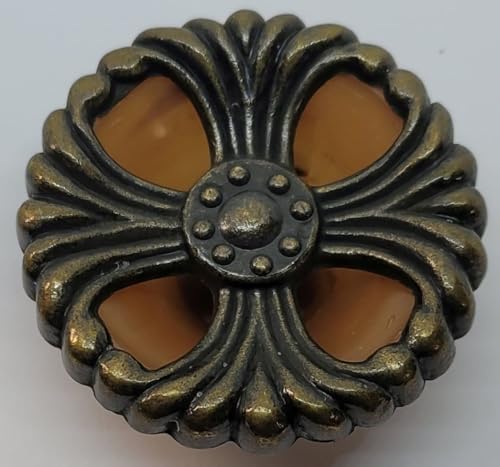
Pulls and knobs are usually simple, elongated, or geometric. Many original pieces feature Bakelite, brass, or chrome accents. See our guide to Art Deco drawer pulls for waterfall dressers for more detail.
Veneer & Inlay Work
Book-matched veneers, contrasting wood bands, and sometimes mirrored or glass accents are common. The veneer quality is a key indicator of craftsmanship.
Tapered or Splayed Legs
Legs are often short and tapered, sometimes with metal caps or sabots, lifting the case slightly off the floor.
Compact Proportions
Waterfall dressers are usually lower and wider than tall chests, making them a good fit for bedrooms with limited wall height.
Materials & Construction
The materials used in a waterfall dresser strongly influence its durability and visual appeal. Original pieces from the 1930s typically used a solid wood frame covered with decorative veneers. Common veneers include walnut, mahogany, and sometimes exotic woods with striking grain patterns.
What to Look For
- Veneer condition: Check for lifting, bubbling, or cracks along the curved edge. The roll-over is the most stress-prone area.
- Drawer construction: Dovetail joints, smooth glides, and solid drawer bottoms indicate better construction. Early pieces may use wood runners rather than metal slides.
- Hardware originality: Original Bakelite or brass pulls add character, but replacements are acceptable if they match the period style.
- Structural integrity: Inspect the legs, frame joints, and back panel for repairs or signs of water damage.
Many modern reproductions use engineered wood with printed veneers. These can be visually convincing, but they typically fall into the entry-level or mid-range tier compared to solid-wood originals. If authenticity matters to you, look for pieces with visible grain continuity and solid wood secondary woods such as oak or pine in the drawer interiors.
Quality Tiers Explained
To help you compare waterfall dressers without focusing on numbers, we use a tier-based framework. This system describes relative market position and construction quality, not a specific figure.
| Tier | Typical Characteristics | Best For |
|---|---|---|
| Entry-level | Engineered wood core, printed veneer, basic metal glides, simplified curve profile. | Decorative use, staging, or a first vintage-style piece. |
| Mid-range | Improved veneer quality, smoother drawer action, more accurate curve geometry, period-inspired hardware. | Daily use in a guest or secondary bedroom. |
| Premium | Solid wood frame, high-grade veneers, dovetail drawers, original or faithfully reproduced hardware. | Primary bedrooms and collectors who value craftsmanship. |
| Luxury / Collector | Museum-quality restoration, rare woods or inlays, documented provenance, exceptional veneer work. | Serious collectors and design-focused interiors. |
Within each tier, the best examples are those that maintain structural integrity and original details. A well-preserved mid-range piece often outperforms a poorly restored premium one. For more context on evaluating older furniture, see our antique dressers with mirrors guide, which covers inspection points that apply to waterfall pieces as well.
How to Choose the Right Waterfall Dresser
Before committing to a piece, consider how it will function in your space. Waterfall dressers are typically wider than they are tall, so measure your available wall length and clearance for drawer opening.
Practical Checklist
- Measure your space: Confirm the dresser width, depth, and height against your bedroom layout. Leave at least 30 inches of clearance in front of the drawers.
- Assess the curve: Run your hand along the roll-over edge. It should feel smooth, with no sharp ridges or separating veneer.
- Test the drawers: Open and close each drawer fully. They should glide evenly without wobbling or sticking.
- Check stability: Gently press on the top corners. A solid piece should not rock or flex noticeably.
- Review the finish: Original finishes may show patina, which is desirable. However, widespread flaking or deep scratches may require professional restoration.
If you are also considering other vintage silhouettes, our guides to the antique mahogany dresser and antique oak dressers can help you compare wood types and construction styles. For a broader overview of period storage, the antique tall dresser guide covers vertical alternatives to the waterfall form.
Care & Maintenance Tips
Waterfall dressers respond well to gentle, consistent care. Because the curved edge is the most vulnerable area, avoid placing heavy objects directly on the roll-over and keep the surface dry.
- Dust regularly with a soft, dry cloth. Avoid abrasive pads that can dull the veneer.
- Use a mild wood cleaner sparingly. Test on an inconspicuous area first.
- Control humidity: Veneered furniture prefers stable indoor humidity. Avoid placing the dresser near radiators or in damp rooms.
- Protect the top: Use coasters or a felt pad under lamps and decorative objects.
- Address lifting veneer early: Small bubbles can often be repaired by a furniture restorer before they spread.
For pieces with mirrored accents, clean the glass with a non-ammonia cleaner to protect the silvering. Our antique white dresser with mirror guide includes additional care notes for mirror-backed furniture.
Frequently Asked Questions
Is a waterfall dresser the same as an Art Deco dresser?
Not exactly. Waterfall is a specific design feature — the curved roll-over top. Art Deco is a broader style movement that includes many furniture forms. A waterfall dresser is often Art Deco in style, but not every Art Deco dresser has a waterfall edge.
Are original 1930s waterfall dressers worth collecting?
Well-preserved originals are sought after by collectors, especially examples with high-quality veneer work and original hardware. Condition, provenance, and craftsmanship all influence desirability. For more on period pieces, see our antique dresser overview.
Can a waterfall dresser be repainted or refinished?
Yes, but proceed carefully. Original veneer and finish contribute to character and resale desirability. If the finish is heavily damaged, consult a professional restorer before sanding or painting. Reversible finishes are generally preferred for collectible pieces.
What should I check before buying a vintage waterfall dresser?
Inspect the curved edge for veneer lifting, test all drawers for smooth operation, check the legs for stability, and confirm that the hardware is functional. Ask about any past repairs and whether the piece has been stored in a dry environment.
Ready to Explore Waterfall Dresser Options?
Browse our curated selection of Art Deco and waterfall-style dressers to find a piece that fits your space and design goals.
Explore Options