Art Deco Drawer Pulls Waterfall: The Complete Style & Buying Guide
Everything you need to know about selecting, matching, and installing Art Deco drawer pulls on a waterfall dresser — from period-accurate hardware to modern reproductions.
Why this guide matters: The waterfall dresser is one of the most recognizable silhouettes in vintage furniture, and its drawer pulls are often the detail that makes or breaks a restoration. Whether you are restoring an original piece or sourcing replacement hardware for a beloved family heirloom, this guide explains the styles, materials, finishes, and sizing conventions that define authentic Art Deco drawer pulls for waterfall dressers.
What Makes a Waterfall Dresser Unique?
A waterfall dresser — sometimes called a waterfall dresser or a Art Deco dresser — is defined by its gently curved, continuous top that flows over the front edge and down the sides in a single sweeping line. This rounded "waterfall" profile was a hallmark of 1930s and 1940s furniture design, and it created a distinct challenge for hardware makers: drawer pulls had to complement the curve rather than interrupt it.
Because the top edge curves forward, the uppermost drawer often sits slightly recessed or angled. This is why original waterfall dressers frequently used flush-mounted pulls, recessed finger pulls, or low-profile bail handles rather than the protruding knobs found on flat-front chests. Understanding this geometry is the first step toward choosing the right replacement hardware.
The Defining Features of Art Deco Drawer Pulls
Art Deco hardware is instantly recognizable once you know what to look for. The style, which flourished between roughly 1925 and 1945, favored geometry, symmetry, and streamlined ornamentation over the floral carvings of the preceding Victorian and Edwardian eras. When shopping for Art Deco drawer pulls for a waterfall dresser, look for these characteristics:
- Geometric shapes: hexagons, octagons, stepped rectangles, chevrons, and fan motifs.
- Streamlined profiles: low-relief backplates that sit close to the drawer face.
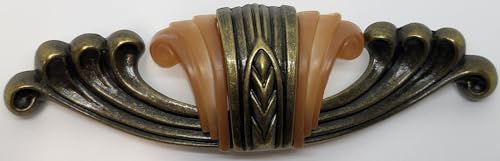
- Contrast materials: Bakelite, chrome, nickel, brass, and later plastics paired with wood.
- Symmetry and repetition: matched pairs or rows of identical pulls across a drawer bank.
- Sunburst and fan motifs: radiating lines that echo the era's fascination with machinery and speed.
These design cues distinguish genuine Art Deco hardware from later mid-century modern pulls, which tended to be simpler, thinner, and more utilitarian.
Common Art Deco Pull Styles for Waterfall Dressers
1. Bakelite and Early Plastic Pulls
Bakelite was the wonder material of the Art Deco era, and it appears frequently on waterfall dressers in the form of round, hexagonal, or rectangular knobs. Original Bakelite pulls are prized by collectors for their depth of color and subtle marbling. When sourcing replacements, note that authentic Bakelite is heavy and warm to the touch, while modern reproductions are lighter and more uniform in tone.
2. Chrome and Nickel Bail Handles
Streamlined bail handles — a curved bar suspended from two mounting posts — were extremely common on 1930s waterfall dressers. Chrome and nickel finishes reflected the era's love of polished metal and machine-age glamour. These pulls sit relatively flat against the drawer face, which suits the curved top of a waterfall piece perfectly.
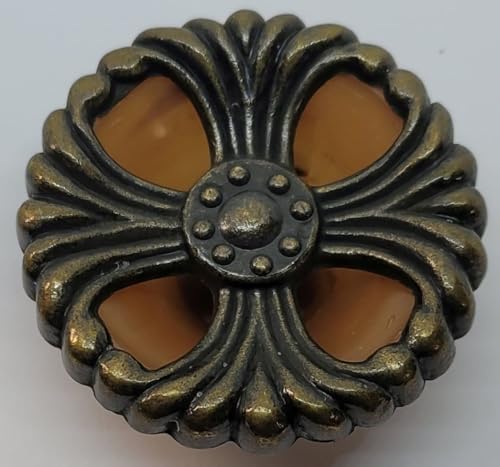
3. Brass and Bronze Backplate Pulls
Some higher-end waterfall dressers featured decorative brass or bronze backplates with geometric cutouts and central handles. These are often the most ornate option and can be the hardest to replace, since the mounting hole spacing is usually non-standard by modern measurements.
4. Recessed and Flush Finger Pulls
Because the curved top of a waterfall dresser can interfere with protruding hardware, many original pieces used recessed finger pulls — simple cutouts or inset metal cups that allow the drawer to be opened without any protruding knob. If your dresser uses this configuration, replacement options are more limited, but specialty restoration suppliers do carry period-appropriate inset pulls.
Matching Pulls to Your Waterfall Dresser's Finish
The finish of your drawer pulls should harmonize with both the wood tone and the overall style of the piece. The table below summarizes common pairings used by restoration specialists.
| Dresser Finish | Recommended Pull Finish | Style Notes |
|---|---|---|
| Walnut veneer, dark stain | Chrome, polished nickel | Cool metal contrasts richly with dark wood; classic 1930s pairing |
| Mahogany or cherry | Brass, antique bronze | Warm metals echo red-brown tones without clashing |
| Blonde or bleached wood | Brushed nickel, pale Bakelite | Low-contrast, streamlined look typical of later Art Deco |
| Painted or lacquered | Black Bakelite, chrome | High-contrast geometric pulls reinforce the Deco silhouette |
| Refinished natural wood | Oil-rubbed bronze, aged brass | Softens the look and reads as period-appropriate patina |
Original vs. Reproduction Hardware: What to Know
Collectors generally divide Art Deco drawer pulls into two categories: original vintage hardware and modern reproductions. Each has trade-offs.
Original Vintage Pulls
Original pulls carry authentic patina and historical accuracy, but supply is limited and condition varies widely. Salvaged pulls may have stripped threads, worn plating, or missing mounting screws. They are best sourced from specialty salvage dealers, estate sales, or dedicated restoration suppliers. If you are restoring a piece for resale or collection, originals are usually the preferred route — but expect to pay a premium-tier amount for well-preserved sets.
Reproduction Pulls
Modern reproductions are widely available and typically fall into the entry-level to mid-range tiers. Quality varies significantly: better reproductions use solid brass or heavy zinc alloys with durable plating, while lower-tier options may use thin stamped metal that flexes under repeated use. For a daily-use dresser, a well-specified mid-range reproduction is often the most practical choice, offering good value for its tier without sacrificing the period look.
How to Install Replacement Pulls on a Waterfall Dresser
Installing new hardware on a curved-front waterfall dresser requires a bit more care than on a flat-front chest. Follow these steps for a clean result:
- Remove the old hardware carefully. Keep the original screws even if you replace the pulls — vintage screws often have unusual thread pitches that modern replacements do not match.
- Measure center-to-center spacing. Record the distance between mounting holes on every drawer, since waterfall dressers sometimes use different spacing on the top drawer versus the lower bank.
- Check the drawer face angle. On the top drawer, the face may be slightly angled due to the waterfall curve. Choose low-profile pulls that will not bind against the dresser body when the drawer is opened.
- Test-fit before drilling. If the new pulls do not match the existing holes, consider using a backplate to bridge the gap rather than drilling new holes. Backplates are period-appropriate for many Art Deco pieces and preserve the original drawer face.
- Use the correct screw length. Screws that are too long can protrude inside the drawer and scratch clothing or catch on the drawer slide. Too-short screws will not hold securely.
Sizing and Spacing Conventions
Art Deco drawer pulls do not follow a single universal size standard, but several conventions appear repeatedly on waterfall dressers from the 1930s and 1940s:
- Center-to-center spacing: commonly between 2.5 and 3.75 inches on bail handles, though wider spacing appears on larger drawer banks.
- Knob diameter: typically between 1 and 1.5 inches for round Bakelite-style knobs.
- Backplate width: often 3 to 5 inches for decorative rectangular backplates.
- Projection: usually under 1 inch for waterfall dressers, to avoid interference with the curved top.
If you are unsure which size your dresser uses, measure the existing hardware directly rather than guessing from photos. Restoration suppliers can often match a pull to a photograph if you provide accurate measurements.
Coordinating Pulls Across a Bedroom Set
Many waterfall dressers were sold as part of a matched bedroom suite that included a dresser and nightstand set. If you are restoring an entire set, consistency matters: the same pull style and finish should appear on the dresser, nightstand, and any matching chest. When original pulls are missing from one piece, sourcing a matched set of reproductions is often easier than hunting for individual originals that match exactly.
If your set includes a mirror-topped piece, check the mirror frame hardware as well — some suites used coordinated Art Deco brackets and finials that should match the drawer pulls for a cohesive look.
Where Art Deco Pulls Fit in the Broader Dresser Landscape
The waterfall dresser is only one expression of Art Deco furniture. Related styles include the broader family of Art Deco dressers, which range from skyscraper-inspired stepped-front chests to streamlined curved-front models. Understanding where your piece sits within that family helps you choose hardware that feels authentic rather than merely decorative.
For collectors interested in older periods, it is also worth comparing Art Deco pulls with hardware from earlier eras. Antique dressers from the Victorian and Edwardian periods typically used ornate brass or wood knobs with floral motifs, which are stylistically distinct from the geometric vocabulary of the Deco era. Mixing the two styles on a single piece usually looks incongruous, so match hardware to the period of the furniture rather than to personal preference alone.
Maintenance and Care for Metal Pulls
Art Deco metal pulls — particularly chrome, nickel, and brass — respond well to gentle care:
- Dust regularly with a soft dry cloth to prevent buildup in the geometric recesses.
- Avoid abrasive polishes on plated finishes, which can wear through the plating over time.
- For brass, a light application of a non-abrasive brass polish followed by a clean buff is usually sufficient.
- For Bakelite and early plastics, wipe with a damp cloth only — solvents can cloud or craze the surface.
- Check mounting screws periodically; vibration from daily use can loosen them over time.
Frequently Asked Questions
Are Art Deco drawer pulls still being manufactured?
Yes. Several restoration hardware suppliers produce reproductions of classic Art Deco pulls, including bail handles, Bakelite-style knobs, and geometric backplates. Quality ranges from entry-level stamped metal to premium solid brass, so inspect construction details before committing to a set.
How do I know if a pull is original to my waterfall dresser?
Original pulls usually show consistent patina across the set, match the era's geometric vocabulary, and fit the existing mounting holes without modification. If the holes have been enlarged or the pulls are unusually lightweight, they are likely later replacements.
Can I use modern pulls on a vintage waterfall dresser?
You can, but choose low-profile designs that will not interfere with the curved top drawer. A period-appropriate geometric pull will usually look more cohesive than a contemporary bar pull or minimalist knob.
What if my dresser's mounting holes do not match any available pulls?
Using a decorative backplate is often the best solution — it covers the old holes and provides new mounting points without altering the drawer face. This approach is period-appropriate for many Art Deco pieces.
Should all pulls on a dresser match exactly?
Yes, for a cohesive period look. Waterfall dressers typically used identical pulls across all drawers, sometimes with a slightly different size on the top drawer to accommodate the curved face. Matching the set preserves the original design intent.
Ready to Complete Your Waterfall Dresser Restoration?
Explore our curated selection of Art Deco drawer pulls and waterfall dresser hardware below, then compare features to find the set that matches your piece.
Final Thoughts
Art Deco drawer pulls are more than functional hardware — they are the finishing detail that defines a waterfall dresser's character. By matching geometric style, metal finish, and mounting dimensions to your specific piece, you can restore a vintage dresser to its original visual impact while keeping it practical for everyday use. Whether you choose original salvage hardware or a well-specified reproduction set, the key is consistency: one period, one finish, one cohesive look across every drawer.
For readers exploring other vintage dresser styles, our guides to antique oak dressers and antique mahogany dressers cover hardware conventions for those wood types as well.