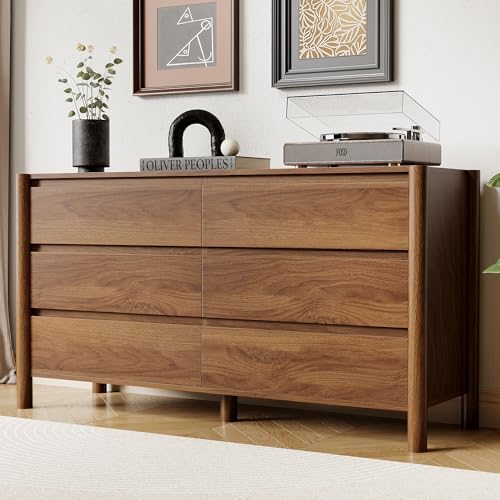
50 Wide Dresser: The Complete Buyer's Guide
A 50-inch wide dresser is the sweet spot between generous storage and a footprint that still fits comfortably in most bedrooms. This guide breaks down dimensions, drawer layouts, materials, and styling so you can choose with confidence.
Explore Recommended OptionsWhy Choose a 50-Inch Wide Dresser?
The 50-inch width has become one of the most requested dresser sizes for a simple reason: it balances capacity with versatility. A unit at this width typically offers enough drawer space for a single adult or a shared bedroom, yet it does not dominate the wall the way a 60-inch or 70-inch piece can. That makes it a practical anchor for primary bedrooms, guest rooms, and even larger nursery setups.
If you have been comparing options, you may have already browsed a 50 dresser or a 50 inch wide dresser and wondered how the measurements translate into real storage. The answer depends on drawer depth and layout, which we cover below.
Exact Dimensions and Room Fit
Width is only one of three dimensions that matter. A 50-inch wide dresser typically measures between 30 and 38 inches tall, with a depth of 16 to 20 inches. Those numbers determine how the piece feels in your room and how much floor space you keep for walking clearance.
Typical 50-inch dresser dimensions
| Dimension | Common Range | Why It Matters |
|---|---|---|
| Width | 48–52 inches | Wall coverage and clearance for adjacent furniture |
| Height | 30–38 inches | Comfort of the top surface and mirror placement |
| Depth | 16–20 inches | Walking clearance and drawer pull-out space |
| Drawer interior depth | 12–16 inches | How much folded clothing each drawer holds |
Measure your wall first, then add at least 24 inches of clearance in front of the dresser for drawers to open fully. If you plan to place it opposite the foot of the bed, confirm that the gap between the bed and dresser stays comfortable for walking.
For rooms where the wall is slightly shorter, a 50 dresser configuration with a narrower profile may work better than a full 52-inch unit. Conversely, if you have a little more room, the 52 inch dresser option gives you marginal extra storage without a dramatic visual change.
Drawer Layouts and Storage Capacity
At 50 inches wide, most dressers split the face into two columns of drawers. The exact layout changes how you organize clothing, so it is worth matching the configuration to your habits rather than choosing purely on appearance.
Common configurations
- Six-drawer, two-column layout: The most balanced option. Three drawers per column usually gives a mix of shallow top drawers and deeper lower drawers. See our guide to the 6 drawer dresser 50 inches wide for a closer look at this format.
- Five-drawer layout: Often uses one wide top drawer for accessories and four deeper drawers below. This suits couples who divide the columns by person. Compare the 5 drawer dresser options if you prefer fewer, larger compartments.
- Eight-drawer layout: Two columns of four, usually with shallower drawers throughout. Ideal for socks, undergarments, and folded tops. The 8 drawer dresser format maximizes compartment count without increasing footprint.
Consider the depth of each drawer as much as the count. A deeper drawer holds bulkier items like sweaters, while shallow drawers keep small items visible. If you routinely store seasonal clothing, a mixed layout with at least two deep lower drawers is usually the most practical.
Materials and Build Quality
The material determines how the dresser ages, how much weight the drawers can handle, and how the finish responds to daily use. At this width, structural rigidity matters because a long frame can flex if the joinery is weak.
What to look for by tier
- Entry-level tier: Engineered wood with a laminate or veneer finish. Fine for guest rooms and light use, but check that the back panel is reinforced and the drawer runners are smooth.
- Mid-range tier: Solid wood fronts with engineered wood carcasses, or solid wood throughout with a veneer finish. These typically offer better drawer glides and more consistent alignment.
- Premium and luxury tiers: Solid hardwood construction, dovetail joinery, and metal drawer slides rated for heavier loads. These are long-term investments that hold up to frequent use.
If you prefer a natural grain look, consider an acacia wood dresser for its distinctive pattern, or explore a 6 drawer wood dresser for a warm, traditional finish. Both materials bring visual weight, so confirm the piece does not feel crowded against a short wall.
Always check the weight rating of drawer slides and confirm that the dresser includes an anti-tip strap. A wide, tall unit should be secured to the wall, especially in households with children.
Styles That Suit a 50-Inch Footprint
A 50-inch wide dresser is wide enough to read as a statement piece, so the style you choose will shape the room. Here are the most common directions and how they behave at this width.
Modern and minimalist
Clean lines, handleless drawers, and a matte finish keep the visual footprint light. A modern 50-inch dresser pairs well with a low-profile bed and neutral walls. If you like this direction, browse 6 drawer dresser mid-century modern designs for tapered legs and warm wood tones.
Traditional and transitional
Raised panels, decorative hardware, and a slightly taller profile add presence. These styles often include a matching mirror, which can make a 50-inch dresser feel taller without adding floor space.
Farmhouse and rustic
Distressed finishes and plank detailing work well at this width because the extra surface area gives the texture room to breathe. Pair with woven baskets on top for a cohesive look.
If you want a smaller companion piece for a guest room, a 5 drawer dresser wood unit in a matching finish can keep the room visually consistent.
Styling and Placement Tips
Where you place the dresser affects how spacious the room feels. Use these guidelines to get the most from a 50-inch piece.
- Center it on the largest free wall if the room allows. Symmetry makes the dresser feel intentional rather than squeezed in.
- Leave breathing room of at least 2 inches on each side if you add nightstands. Tight gaps make drawers harder to open and the room feel cramped.
- Layer the top surface with a mirror, a small tray for daily items, and one decorative object. Avoid overcrowding, especially if the dresser sits opposite the bed.
- Use vertical space with wall-mounted shelves or a mirror above the dresser to draw the eye upward.
- Consider lighting with a pair of small lamps or a single pendant to highlight the piece at night.
For a coordinated bedroom, pair the dresser with a matching nightstand from a 6 drawer dresser and nightstand set. Matching finishes reduce visual clutter and make the room feel finished.
How a 50-Inch Dresser Compares to Other Widths
Width is a spectrum, and the right choice depends on your wall and storage needs. Here is how the 50-inch size sits relative to common alternatives.
| Width Category | Typical Use Case | Trade-Off |
|---|---|---|
| 40–44 inches | Small bedrooms and apartments | Fewer drawers; tighter organization |
| 48–52 inches | Primary or guest bedrooms | Balanced storage and footprint |
| 54–60 inches | Large bedrooms and shared spaces | More storage but needs a longer wall |
| 70+ inches | Master suites and dressing rooms | Statement piece; requires generous clearance |
If you are deciding between close sizes, a 54 inch dresser adds a few inches of width without changing the layout dramatically. A 60 inch wide dresser is a better fit for larger rooms where you want a more substantial anchor. For narrow spaces, a 5 drawer chest of drawers solid wood may be a more efficient use of vertical space.
Frequently Asked Questions
Is a 50-inch wide dresser big enough for two people?
How much clearance do I need in front of a 50-inch dresser?
Can a 50-inch dresser hold a television?
What is the difference between a 50-inch dresser and a 50-inch chest of drawers?
Should I anchor a 50-inch dresser to the wall?
Final Verdict
A 50-inch wide dresser is one of the most versatile storage pieces you can add to a bedroom. It offers enough capacity for most adults, fits comfortably in standard rooms, and leaves room for styling without overwhelming the space. Focus on drawer layout and construction quality rather than width alone, and match the material to how heavily the piece will be used. If you are still weighing options, our 50 dresser guide and 50 inch wide dresser overview can help you narrow the field further.