3 Drawer Changing Table Dresser: The Complete Nursery Buying Guide
Everything you need to know about choosing, using, and organizing a 3 drawer changing table dresser — the space-saving nursery workhorse that grows with your child.
START EXPLORINGDresserAdvisor Insight: A 3 drawer changing table dresser is one of the smartest furniture investments for a compact nursery. It combines a safe changing station with essential storage in a single footprint — and it keeps working long after the diapering days are over. This guide walks you through every decision point so you can choose with confidence.
What Is a 3 Drawer Changing Table Dresser?
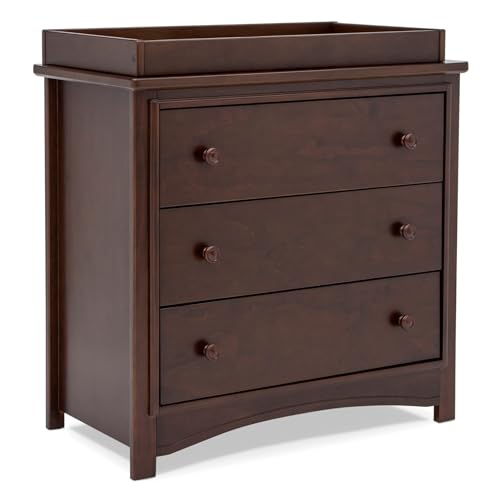
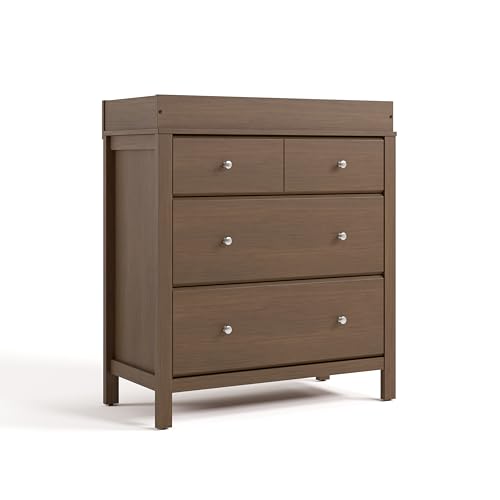
A 3 drawer changing table dresser is a dual-purpose nursery furniture piece. The top surface serves as a dedicated baby changing station, complete with raised edges and a safety strap, while the three drawers below provide organized storage for diapers, wipes, onesies, blankets, and other infant essentials. It is, in essence, a compact dresser with a built-in changing topper.
Unlike standalone changing tables that become obsolete once your child is out of diapers, a 3 drawer changing table dresser transitions smoothly into a standard bedroom dresser. The removable changing top is often the only component that gets retired — the dresser itself remains useful for years. This makes it a particularly attractive option for parents who want furniture that earns its keep across multiple life stages.
The three-drawer configuration is a deliberate sweet spot. It offers enough storage to keep a nursery functional without demanding the floor space of a larger five-drawer dresser. For small nurseries, apartments, and shared bedrooms, that balance of capacity and compactness is exactly what makes this category so popular.
Why Choose a 3 Drawer Changing Table Dresser?
Parents gravitate toward the 3 drawer changing table dresser for several practical reasons. Understanding these benefits helps you decide whether this configuration fits your nursery plan.
Space Efficiency
By combining two pieces of furniture into one, a 3 drawer changing table dresser frees up valuable floor space. In a small nursery, that extra room can become a reading corner, a play mat area, or simply breathing room. If you are working with a tight layout, you may also want to explore our guide to dressers for small spaces for additional strategies.
Essential Storage Without Overkill
Three drawers provide a natural organizational hierarchy: one for diapering supplies, one for everyday clothing, and one for blankets or backup items. It is enough storage to keep the nursery tidy without encouraging clutter accumulation. Many parents find that a standard 3 drawer dresser is the ideal capacity for a baby's needs during the first two years.
Long-Term Versatility
Once the changing top is removed, the piece functions as a conventional dresser. It can move into a toddler room, a guest bedroom, or even a hallway. This multi-stage usability is a core reason the category remains a nursery staple.
Simplified Shopping
Buying one piece of furniture instead of two reduces decision fatigue, delivery logistics, and assembly time. For expectant parents managing a long nursery checklist, that simplicity has real value.
🏠 Compact Footprint
Ideal for small nurseries, apartments, and shared bedrooms where every square foot counts.
🔄 Two-Stage Design
Changing station now, standard dresser later — the piece adapts as your child grows.
🗂️ Focused Storage
Three drawers keep essentials organized without inviting unnecessary clutter.
🛡️ Built-In Safety
Dedicated changing surfaces include raised edges and safety straps for peace of mind.
Safety Features That Matter
Because a changing table dresser is used daily with an infant, safety is the single most important consideration. The following features separate well-designed models from those that merely look the part.
Raised Edges and Contoured Surface
The changing surface should have raised edges on all four sides — typically at least two inches high. Some models add a contoured center that gently cradles the baby. A flat, unguarded top is a red flag regardless of how attractive the finish may be.
Safety Straps
A properly designed 3 drawer changing table dresser includes a safety strap with a secure buckle. The strap should be anchored to the changing surface, not merely draped over it. Always use the strap whenever the baby is on the table, and never leave the baby unattended — even for a moment.
Wall Anchoring
Tipping is a genuine risk with any tall nursery furniture. Look for models that include a wall-anchoring kit, and install it. The 3 drawer dresser changing table category includes many models designed with anti-tip hardware as standard. If the kit is not included, purchase one separately — it is a non-negotiable safety step.
Drawer Safety Stops
Drawers should have stops that prevent them from pulling completely free and falling. Soft-close mechanisms are a bonus that reduces pinching risk and noise during nap time.
Non-Toxic Finishes and Rounded Corners
Babies explore with their mouths, so finishes should be low-VOC or water-based. Rounded corners on the dresser body reduce the risk of bumps. Check for certifications where available, and let the piece air out before placing it in the nursery.
Materials & Construction Quality
Construction quality determines how long your 3 drawer changing table dresser will last and how well it will hold up to daily use. Nursery furniture takes a beating — spilled bottles, midnight diaper changes, and the occasional bump — so material choice matters.
Solid Wood vs. Engineered Wood
Solid wood models sit at the premium and luxury tiers. They are heavier, more durable, and typically more stable. Oak, maple, and pine are common choices. Engineered wood — MDF or particleboard with a veneer — occupies the entry-level and mid-range tiers. Modern engineered wood can be perfectly serviceable, especially when the drawer boxes and hardware are reinforced. The key is to check the drawer construction rather than judge by the outer finish alone.
For a deeper comparison, see our guide on solid wood vs. engineered wood furniture.
Drawer Box Construction
Look for drawers with dovetail joints (a sign of high-end tier craftsmanship) or sturdy stapled-and-glued boxes with reinforced corners. Drawer bottoms should be thick enough not to sag under the weight of stacked diapers. Metal side-mount or undermount slides with a smooth glide are preferable to basic plastic runners.
Finish Durability
Nursery surfaces get wiped down frequently. A finish that resists moisture and mild cleaning products will hold its appearance longer. Painted finishes in the mid-range tier are common and practical; natural wood finishes in the higher tiers tend to show wear more gracefully over time.
| Tier | Typical Construction | Best For |
|---|---|---|
| Entry-level | Engineered wood, basic slides, stapled drawer boxes | Short-term nursery use, tight spaces, first-time setups |
| Mid-range | Reinforced engineered wood or mixed materials, metal slides, better hardware | Everyday nursery use with a focus on durability and smooth operation |
| Premium | Solid wood, dovetail joints, soft-close undermount slides | Long-term use across multiple children and rooms |
| Luxury | Hardwood construction, artisanal finishes, commercial-grade hardware | Heirloom-quality pieces meant to be passed down |
Styles & Finishes
The visual style of your 3 drawer changing table dresser should harmonize with the rest of the nursery and, ideally, with the home beyond it. Since the piece will likely outlive the nursery phase, choose a design you will still appreciate years from now.
Popular Style Directions
- Modern and minimalist: Clean lines, handleless drawers, and neutral finishes. Pairs well with contemporary nursery themes and transitions easily into adult spaces later.
- Farmhouse and rustic: Distressed finishes, beadboard details, and warm wood tones. A cozy, textured look that suits relaxed nursery decor.
- Mid-century modern: Tapered legs, angled drawer pulls, and walnut or teak finishes. A timeless choice that feels stylish without being trendy.
- Traditional: Molded trim, classic hardware, and painted or stained finishes. Blends seamlessly with established home interiors.
Color Considerations
White and natural wood remain the most versatile nursery choices. A white dresser brightens small rooms and suits nearly any accent palette, while natural wood adds warmth and hides minor wear. If you plan to move the dresser into another room later, a neutral finish gives you more flexibility. For bolder nursery themes, a gray dresser offers a soft middle ground that works with pastels and deep tones alike.
Hardware Details
Drawer pulls and knobs are the jewelry of nursery furniture. Round wooden knobs feel gentle and traditional; slim metal bar pulls read as modern. Whatever the style, check that hardware is firmly attached and has no sharp edges. If you want to personalize the piece, swapping dresser knobs later is an easy, low-effort update.
Organizing the Three Drawers
Three drawers may sound modest, but with a thoughtful system they can hold everything a baby needs within arm's reach. The goal is a changing station where you can complete a diaper change one-handed — because you will be doing exactly that.
Drawer 1: The Diapering Drawer
This is your most-used drawer, so place it at the top for easy access. Stock it with diapers, wipes, diaper cream, a changing pad liner, and a small wet bag. Use drawer dividers to create zones so supplies stay upright and visible. Keep a small backup stash in the drawer below in case you run out mid-change.
Drawer 2: Everyday Clothing
Onesies, sleepers, socks, and bibs belong here. Fold items vertically using the file-fold method so you can see everything at a glance. This drawer turns over quickly as your baby grows, so keep it flexible — avoid over-stuffing. Our folding clothes tips guide covers the technique in detail.
Drawer 3: Blankets, Burp Cloths, and Backup
The bottom drawer is ideal for bulkier items: receiving blankets, burp cloths, swaddle wraps, and spare crib sheets. It can also hold out-of-season clothing or a small emergency kit. Because you access it less often, a deeper or taller bottom drawer is a useful design feature to look for.
Keeping It Tidy
Nursery drawers accumulate clutter fast. A quick weekly reset — removing outgrown items and restocking essentials — keeps the system working. For a fuller framework, see our dresser organization guide and our ideas for drawer organization.
Transitioning Beyond the Nursery
One of the strongest arguments for a 3 drawer changing table dresser is its second life. When diapering ends — typically between 12 and 24 months — the changing top comes off and the piece becomes a conventional dresser.
Removing the Changing Top
Most models have a changing topper that either lifts off or is secured with a few screws. Check the product documentation for removal instructions, and store the topper safely if you plan to reuse it for a future child. Once removed, wipe down the dresser top and it is ready for a new role.
Repurposing the Dresser
As a toddler dresser, three drawers are still a practical size for a small wardrobe. Later, the piece can serve as a guest room dresser, a hallway storage unit, or a craft supply cabinet. If you want to refresh its look for the next stage, a simple dresser makeover — new knobs, a fresh coat of paint — gives it a second identity.
When to Size Up
As children grow, clothing volume increases. At some point a 4 drawer dresser or larger may become necessary. But the original 3 drawer unit rarely goes to waste — it simply moves to another room or another purpose.
Buying Checklist
Before you commit to a specific 3 drawer changing table dresser, run through this checklist. It covers the decisions that matter most and helps you avoid the common regrets.
- Measure your space. Note the width, depth, and height of the spot where the dresser will sit. Leave clearance for drawers to open fully and for you to stand comfortably in front of the changing surface.
- Confirm the changing surface dimensions. The top should be large enough for a standard changing pad, with raised edges and a strap.
- Check safety features. Raised edges, safety strap, wall-anchoring kit, drawer stops, and non-toxic finish. These are not optional.
- Evaluate drawer construction. Look for sturdy boxes, smooth slides, and bottoms that will not sag under weight.
- Decide on a style and finish. Choose something that works in the nursery now and in another room later.
- Consider assembly and delivery. Some models require significant assembly. Check whether the piece ships flat-packed and whether you will need tools or a second person.
- Read the transition plan. Confirm that the changing top is removable and that the dresser stands cleanly on its own without it.
Ready to Explore Your Options?
Browse recommended 3 drawer changing table dressers and compare features, styles, and construction quality. Find the one that fits your nursery and your long-term plan.
View Recommended ModelsFrequently Asked Questions
What is a 3 drawer changing table dresser?
A 3 drawer changing table dresser is a nursery furniture piece that combines a baby changing station on top with three storage drawers below. It functions as both a safe changing surface and a compact dresser, saving space and keeping diapering supplies organized.
How long can you use a changing table dresser?
Most families use the changing surface for the first 12 to 24 months, depending on the child's size and diapering needs. After that, the removable changing top comes off and the dresser continues as standard bedroom storage — often for many years.
What safety features should a changing table dresser have?
Look for raised edges on all four sides of the changing surface, a safety strap with a secure buckle, a wall-anchoring kit, drawer safety stops, rounded corners, and a low-VOC or water-based finish. Always anchor the dresser to the wall and never leave a baby unattended on the changing surface.
How much weight can a 3 drawer changing table dresser hold?
Most models are designed to support an infant or toddler up to approximately 30 pounds on the changing surface. Drawer capacity varies by construction; check the manufacturer's specifications for the specific model you are considering.
Is a 3 drawer changing table dresser worth it?
Yes, especially for small nurseries. It combines two essential pieces into one footprint, keeps diapering supplies within reach, and transitions into a long-term dresser as your child grows. The dual-purpose design makes it a practical, space-efficient choice.
Can I use a standard changing pad on a 3 drawer changing table dresser?
Most changing surfaces are designed to fit a standard contoured changing pad. Measure the changing area before purchasing a pad, and choose one with a safety strap that aligns with the table's strap. A non-slip pad liner adds extra stability.