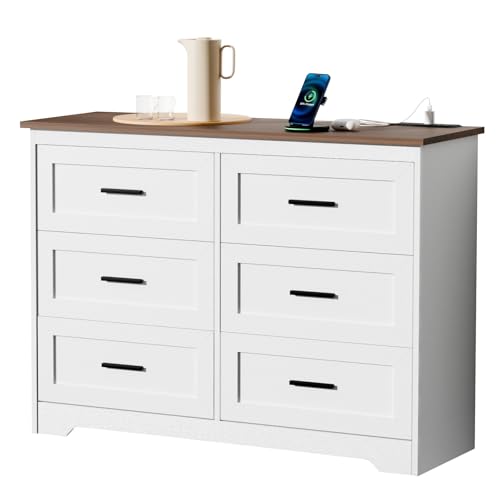
30 Inch Tall Dresser: Compact Vertical Storage Guide
Discover how a 30 inch tall dresser delivers maximum storage in a minimal footprint. Explore drawer configurations, material options, safety essentials, and room-by-room placement ideas for small bedrooms, guest rooms, and apartments.
EXPLORE TOP PICKSWhy a 30 inch tall dresser matters: In compact bedrooms, guest rooms, and apartments, floor space is precious. A 30 inch tall dresser occupies a modest vertical footprint while providing surprisingly generous drawer storage. This guide breaks down everything you need to know before choosing one — from drawer count and material tiers to safety anchoring and styling.
What Exactly Is a 30 Inch Tall Dresser?
A 30 inch tall dresser is a vertical storage unit whose total height reaches approximately 30 inches — roughly hip height for an average adult. Unlike wide dressers that spread horizontally along a wall, this category prioritizes vertical stacking. The result is a compact piece that fits against narrow walls, beside a bed, or inside a closet without dominating the room.
These dressers typically measure between 24 and 36 inches in width, making them a natural bridge between full-size dressers and smaller accent storage. Many shoppers searching for a 30 inch wide dresser or a 30 inch high chest of drawers are essentially looking for the same compact vertical format discussed on this page.
Key Dimensions and Drawer Configurations
Understanding the dimensional relationships helps you match a unit to your space and storage needs. The table below summarizes the most common configurations found in this category.
| Configuration | Typical Drawer Count | Best For | Space Profile |
|---|---|---|---|
| Narrow vertical | 3–4 drawers | Guest rooms, dorms, bedside storage | Fits walls under 30 inches wide |
| Standard compact | 4–5 drawers | Small bedrooms, apartments | Balanced width and height |
| Deep drawer emphasis | 3–4 deep drawers | Bulky clothing, linens, bedding | Requires slightly more depth |
| Mixed drawer heights | 5 drawers (2 small, 3 large) | Accessories plus folded clothes | Most versatile layout |
If your priority is maximizing drawer count in a narrow footprint, a 30 inch wide cabinet with drawers often provides the same functional benefit. For rooms where depth is the constraint rather than height, a 12 inch deep dresser pairs well with a 30 inch tall frame to keep the unit flush against the wall.
Who Should Choose a 30 Inch Tall Dresser?
This height category suits a specific set of living situations. Consider it if any of the following describe your space:
- Small bedrooms: The vertical profile leaves room for a bed, nightstand, and walking path without crowding.
- Guest rooms: Provides adequate storage for visitors without committing to a large furniture footprint.
- Apartments and studios: Efficient use of wall height in multi-purpose rooms.
- Dorm rooms: Portable, compact, and easy to relocate between semesters.
- Closets: Serves as an internal organization hub where wider dressers would not fit.
- Nurseries and kids' rooms: Accessible height for caregivers, though anchoring is essential — see the safety section below.
If your room is even tighter, a 24 inch wide dresser or a 28 inch wide dresser may be a better dimensional match. Conversely, if you need more horizontal capacity at the same height, a 32 inch wide dresser or a 36 inch wide dresser extends the same vertical format across a wider wall.
Materials and Build Quality by Tier
Dressers in this category span the full spectrum of construction quality. Rather than focusing on numerical pricing, it helps to understand what each tier delivers in terms of durability and longevity.
Entry-Level Tier
Entry-level 30 inch tall dressers typically use engineered wood — particleboard or MDF — with a laminated or veneer finish. Drawer boxes are often stapled or nailed rather than joined. These units are functional for light use in guest rooms or dorms, but they are less resistant to humidity changes and heavy loads. Drawer glides are usually basic side-mounted rollers.
Mid-Range Tier
Mid-range models step up to plywood drawer boxes, metal ball-bearing glides, and sturdier frame construction. Many mid-tier dressers use solid wood for the visible frame with engineered wood for internal panels — a sensible balance of stability and material efficiency. Drawer joinery is often reinforced with screws and corner blocks.
Premium and High-End Tiers
Premium 30 inch tall dressers feature solid hardwood construction — oak, maple, walnut, or cherry — with dovetail drawer joinery and full-extension, soft-close glides. These are long-term investments designed to withstand decades of daily use. If you are comparing construction approaches, our guide on solid wood vs engineered furniture explains the trade-offs in detail.
If you prefer a specific wood species, explore our dedicated pages on oak dressers, walnut dressers, and pine dressers to match the unit to your room's existing finishes.
Drawer Glides and Hardware Considerations
The quality of drawer glides often separates a frustrating dresser from a satisfying one. In the 30 inch tall category, glides matter even more because drawers are frequently used in tight quarters where smooth operation prevents jamming.
- Roller glides: Common in entry-level units; functional but prone to wear over time.
- Ball-bearing side-mount glides: Standard in mid-range dressers; smoother and more durable.
- Undermount soft-close glides: Found in premium tiers; hidden from view and quiet in operation.
- Full-extension slides: Allow the drawer to open completely, giving access to the back of the drawer — especially useful in deeper units.
For hardware aesthetics, our guides on dresser knobs and drawer pulls cover how to upgrade the look of an existing piece without replacing it.
Safety First: Anchoring and Placement
Any tall, narrow dresser carries a tip-over risk if not properly secured. A 30 inch tall dresser is lighter and shorter than a full tallboy, but the principle remains: anchor it to the wall.
- Use anti-tip straps: Most dressers include wall-anchoring hardware. If yours does not, purchase a furniture safety strap kit.
- Anchor into studs: Secure straps to wall studs rather than drywall alone for maximum holding strength.
- Distribute weight: Place heavier items in lower drawers and keep the top surface light.
- Avoid using the top as a climbing surface: In nurseries, never place a changing pad on top without a dedicated safety rail and constant supervision.
- Check drawer stops: Ensure drawers have stops that prevent them from pulling completely out and shifting the unit's center of gravity.
Nursery note: If you are considering this size for a nursery, review our nursery dressers guide for additional safety requirements, including changing-table conversion options and anti-tip standards.
Room-by-Room Placement Ideas
Small Bedroom
Place the dresser on the wall opposite the bed or beside the doorway. At 30 inches tall, it sits below window sills and does not block sightlines. Pair it with a nightstand of similar height for a balanced composition. If the room is especially narrow, a 24 inch wide chest of drawers can substitute without sacrificing the vertical storage concept.
Guest Room
A guest room needs enough storage for a weekend visit — three to four drawers is usually sufficient. Position the unit near the closet or beside the bed. If you want matching furniture, browse dresser and nightstand sets to create a cohesive look.
Apartment and Studio
In open-plan apartments, a 30 inch tall dresser can double as a console or media surface. Choose a model with a clean back panel if it will be visible from multiple angles. For inspiration, see our apartment bedroom storage ideas.
Closet
Inside a walk-in or reach-in closet, a compact vertical dresser organizes folded clothing, accessories, and intimates without consuming hanging space. Explore dressers for closet arrangements for layout ideas.
Nursery and Kids' Room
At 30 inches, the top drawers are reachable for adults but safely out of reach for toddlers. Combine with wall anchors and consider a unit with rounded corners. See nursery dresser ideas for styling and safety setups.
Drawer Organization for Compact Dressers
Smaller drawers demand smarter organization. A few principles make a 30 inch tall dresser feel far more spacious than its dimensions suggest:
- Use vertical folding: Fold clothing into upright rectangles so you can see every item at a glance.
- Add drawer dividers: Separate socks, underwear, and accessories to prevent clutter migration.
- Assign zones: Top drawers for accessories, middle for folded tops, bottom for bulky items.
- Rotate seasonally: Store off-season clothing elsewhere to keep the dresser focused on current wardrobe.
- Line drawers: A non-slip liner protects the drawer base and keeps items from sliding.
For a deeper dive, read our dresser organization guide and drawer organization ideas.
How a 30 Inch Tall Dresser Compares to Alternatives
Versus a Chest of Drawers
The terms overlap significantly. A chest of drawers traditionally refers to a taller, narrower unit, while a dresser is often wider. A 30 inch tall dresser sits at the compact end of both categories. If you want more height and drawer count, a 40 inch tall dresser or a tall dresser provides additional vertical storage.
Versus a Wider Dresser
Wider dressers offer more surface area and often more drawers, but they require a longer wall. If your wall space is limited, the vertical approach wins. If you have the room and want a statement piece, a wide dresser or large dresser may serve you better.
Versus a Nightstand
A 30 inch tall dresser is taller than most nightstands but narrower than a standard dresser — a useful middle ground. If you only need bedside storage, a 3 drawer dresser nightstand is a more space-efficient choice.
Buying Checklist: What to Verify Before You Choose
Before finalizing your selection, run through this checklist:
- Measure your wall and doorway: Confirm the unit fits the intended wall and can pass through doorways and stairwells.
- Check drawer extension: Full-extension drawers are easier to access in tight spaces.
- Inspect joinery: Dovetail joints signal premium construction; stapled boxes signal entry-level.
- Verify weight capacity: Each drawer should handle a realistic load of folded clothing without sagging.
- Confirm anchoring hardware: The unit should include or accommodate anti-tip straps.
- Match your style: Explore modern dressers, farmhouse dressers, or mid-century dressers to align with your room's aesthetic.
- Consider finish: A white dresser brightens small rooms; a black dresser adds contrast and grounding.
Frequently Asked Questions
What is a 30 inch tall dresser best used for?
A 30 inch tall dresser is ideal for small bedrooms, guest rooms, dorms, and apartments. Its compact vertical footprint provides efficient storage without overwhelming the floor plan, making it perfect for narrow walls and tight spaces.
How many drawers does a 30 inch tall dresser typically have?
Most 30 inch tall dressers feature 3 to 5 drawers. The vertical design often includes a mix of deeper bottom drawers and shallower top drawers, giving you flexible storage for clothing, accessories, and personal items.
Is a 30 inch tall dresser safe for a nursery?
A 30 inch tall dresser can work in a nursery, but safety is critical. Always anchor the unit to the wall with anti-tip straps, avoid placing heavy items on top, and never use the top surface as a changing station without a dedicated safety rail.
What materials are used in quality 30 inch tall dressers?
Quality 30 inch tall dressers use solid wood frames, plywood drawer boxes, and metal drawer glides. Entry-level tiers often use engineered wood with laminate finishes, while mid-range and premium tiers favor solid hardwood and dovetail joinery.
Can a 30 inch tall dresser be used in a closet?
Yes. Its compact dimensions make it a practical closet organizer for folded clothing and accessories. Ensure the closet has adequate depth and that the unit does not block hanging rods or shelving. See our dressers for closet guide for layout ideas.
Ready to Find Your 30 Inch Tall Dresser?
Browse our curated selection of compact vertical dressers and compare features, drawer configurations, and build quality side by side.
VIEW RECOMMENDED OPTIONS