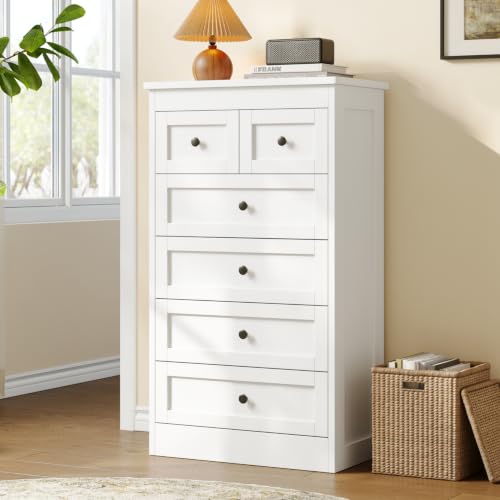
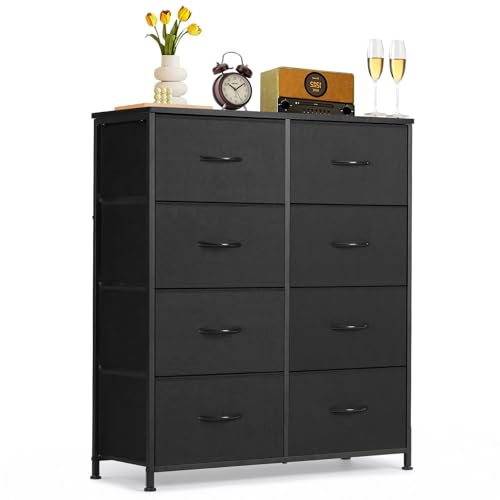
28 Inch Wide Dresser: The Complete Guide to Compact Storage
Everything you need to know about choosing a 28 inch wide dresser for small bedrooms, apartments, nurseries, and tight spaces. Compare drawer counts, materials, tiers, and organizational strategies before you buy.
Why a 28 Inch Wide Dresser? A 28 inch wide dresser occupies a sweet spot in compact furniture design. It is narrow enough to fit along short walls, beside doorways, or inside closets, yet tall and deep enough to hold a meaningful amount of folded clothing, linens, and accessories. For renters, first-time apartment dwellers, and parents furnishing a nursery, this size class often delivers the best balance of capacity and footprint. This guide walks you through every decision point so you can buy with confidence.
What Exactly Counts as a 28 Inch Wide Dresser?
A 28 inch wide dresser refers to the horizontal measurement of the cabinet body, typically excluding hardware and any overhanging top. Within the compact furniture category, this width sits between ultra-narrow models and standard bedroom dressers. If you are exploring similar footprints, you may also want to review a 27 inch wide dresser or a 26 inch wide dresser for near-identical space requirements.
| Specification | Typical Range for 28 Inch Wide Dressers | Best For |
|---|---|---|
| Width | 28 inches (cabinet body) | Short walls, alcoves, closet interiors |
| Depth | 15–18 inches | Hallways, narrow bedroom layouts |
| Height | 28–52 inches | Low chests for nursery, tall models for clothing |
| Drawer Count | 3 to 5 drawers | Folded clothes, linens, accessories |
| Common Tiers | Entry-level to premium | Rentals, starter homes, guest rooms |
Who Should Buy a 28 Inch Wide Dresser?
This size class is not a compromise—it is a deliberate choice for specific living situations. Before you commit, confirm that your intended use aligns with one of these buyer profiles:
Apartment and Studio Dwellers
In a studio or one-bedroom apartment, floor space is the primary constraint. A 28 inch wide dresser can sit comfortably beside a bed, function as a mini console in an entryway, or fit inside a reach-in closet. Pair it with narrower storage options to build a layered organization system without overwhelming the room.
Nursery and Kids' Rooms
Parents often need compact storage that keeps essentials within arm's reach of a crib or changing area. A three-drawer 28 inch wide dresser works well as a secondary piece, while a four-drawer model can handle baby clothes, blankets, and diapering supplies. Many buyers pair this size with a 3 drawer dresser changing table for added functionality.
Guest Rooms and Spare Bedrooms
Guest rooms rarely need a full bedroom suite. A compact dresser gives visitors a place to unpack without consuming the room. A four-drawer 28 inch wide dresser provides enough segmentation for weekend stays, while a 28 inch wide chest of drawers offers a slightly taller alternative for the same footprint.
Closet and Walk-In Organization
If your closet lacks built-in shelving, a freestanding dresser can transform the space. A 28 inch wide model slides into many reach-in closets and provides drawer storage for folded items that would otherwise clutter shelves. Review our 24 inch wide chest of drawers guide if your closet is even tighter.
How Many Drawers Do You Need in a 28 Inch Wide Dresser?
Drawer count is the single biggest factor in how usable a compact dresser feels. Because the width is fixed at 28 inches, manufacturers vary height and drawer depth to create different configurations. Here is how the common layouts compare:
| Drawer Count | Typical Height | Best For | Storage Capacity |
|---|---|---|---|
| 3 Drawers | 28–36 inches | Nursery, entryway, bedside | Essential tier — folded clothes and linens |
| 4 Drawers | 36–48 inches | Guest room, small bedroom | Balanced tier — clothing plus accessories |
| 5 Drawers | 44–56 inches | Primary bedroom, closet | Top-tier capacity for the footprint |
A four-drawer model is the most versatile choice for most buyers. It offers enough segmentation to separate tops from bottoms without becoming so tall that it blocks natural light. If you need even more vertical storage, consider a 30 inch tall dresser or explore 4 drawer dresser configurations that prioritize drawer depth over width.
Materials, Construction, and Quality Tiers
The material determines how long your dresser will last, how much it weighs, and how well it handles humidity and daily wear. Use the tier system below to match construction quality to your intended use:
Entry-Level Tier
Engineered wood with paper or thin laminate veneers. These dressers are lightweight, easy to assemble, and well-suited to rentals, dorms, and temporary setups. Drawer slides are typically basic side-mounted runners. They perform well in dry, climate-controlled rooms but are less resistant to moisture and heavy loads. If you expect to move frequently, an entry-level model is a practical starter choice.
Mid-Range Tier
Engineered wood with thicker veneers or a mix of solid wood frames and engineered panels. Drawer boxes are often reinforced, and slides may be upgraded to smoother ball-bearing mechanisms. This tier offers the best balance of durability and assembly convenience for most households. A mid-range 28 inch wide dresser is a solid choice for a primary bedroom or a child's room that will see daily use.
Premium and Luxury Tiers
Solid wood construction—often oak, maple, walnut, or mahogany—with dovetail or mortise-and-tenon joinery. Drawers glide on full-extension metal slides, and finishes are hand-applied or catalyzed for longevity. These pieces are a long-term investment and can be refinished or repaired over time. For a compact footprint, premium construction is especially valuable because it maximizes usable drawer depth and load capacity.
For a deeper comparison of wood types and finishes, see our materials and finishes guide.
Space Planning: Will It Actually Fit?
A 28 inch wide dresser is compact, but "compact" still requires planning. Use this checklist before you order:
- Wall measurement: Measure the available wall segment and subtract at least 2 inches on each side for breathing room and baseboard clearance.
- Drawer extension: Confirm the depth of your room or hallway. Most drawers extend 12–16 inches when fully open, so ensure there is clear walking space in front of the dresser.
- Doorway and stair access: Check that the packaged dimensions fit through your entry door, stairwell, and hallway turns. Some assembled units cannot be disassembled.
- Anchor point: For nurseries and homes with children, plan to secure the dresser to the wall using the included anti-tip kit or aftermarket straps.
- Pairing: Consider whether you will add a 2 piece dresser and nightstand set or keep the piece standalone.
Organizing a 28 Inch Wide Dresser Efficiently
Compact dressers reward intentional organization. Because each drawer is narrower than a standard unit, you gain efficiency by grouping items vertically rather than spreading them horizontally.
Drawer Assignment Strategy
Assign the top drawer to small items such as socks, undergarments, and accessories using dividers. Reserve the middle drawers for folded tops and bottoms, and use the bottom drawer for bulky items like sweaters, jeans, or linens. If you have a five-drawer model, dedicate one drawer entirely to seasonal or occasional items to prevent overflow.
Folding and Dividers
File folding—standing clothes upright rather than stacking them flat—works exceptionally well in narrow drawers because it lets you see every item at a glance. Add adjustable drawer dividers to create zones for categories, and use small bins for loose items. Our drawer organization ideas guide covers additional techniques.
Seasonal Rotation
In a compact dresser, space is finite. Rotate out-of-season clothing into under-bed storage or vacuum bags, and keep only the current season in the primary drawers. This keeps the dresser functional without overstuffing, which protects drawer slides and extends the life of the piece.
Alternatives to Consider Before You Decide
A 28 inch wide dresser is one option among several compact storage solutions. If your space is unusually tight or your storage needs are different from the typical buyer, review these alternatives:
- If you need a slightly wider footprint with more drawer volume, compare a 30 inch wide dresser.
- If you prefer a taller, narrower silhouette, explore the 28 inch wide chest of drawers format.
- If your closet is the target location, a 24 inch wide chest of drawers may fit more comfortably.
- If you are furnishing a nursery, consider a dedicated 3 drawer dresser changing table for dual-purpose use.
- If you want matching bedroom furniture, browse 3 piece dresser and nightstand sets that include compact pieces.
Frequently Asked Questions
What is a 28 inch wide dresser best used for?
It is best used in small bedrooms, apartments, dorm rooms, nursery spaces, and closets where floor space is limited. It provides essential drawer storage without overwhelming a compact room, making it a practical choice for renters and first-time furniture buyers.
How many drawers does a typical 28 inch wide dresser have?
Most models feature between 3 and 5 drawers. Three-drawer configurations are common for nursery and entryway use, while four and five-drawer models offer more segmented storage for clothing and accessories. Four drawers is generally the most versatile configuration for adult clothing.
Will a 28 inch wide dresser fit in a small bedroom?
Yes. This size is specifically designed for compact spaces. Measure your available wall space, account for drawer clearance of roughly 12–16 inches, and confirm doorway access before purchasing to ensure a smooth fit.
What materials are best for a 28 inch wide dresser?
Solid wood offers the best durability and long-term investment, while engineered wood with quality veneers provides a balanced tier option. For lighter weight and moisture resistance, metal and bamboo are also solid choices. Match the tier to your expected usage and room conditions.
Should I anchor a 28 inch wide dresser to the wall?
Yes, especially in nurseries, children's rooms, and homes with pets. Even compact dressers can tip if drawers are overloaded or climbed. Use the manufacturer's anti-tip kit or a furniture strap anchored to a wall stud.
How does a 28 inch wide dresser compare to a chest of drawers?
Dressers are typically wider and lower, while chests are taller and narrower. A 28 inch wide dresser prioritizes horizontal surface area and a lower profile, while a chest of drawers in the same width prioritizes vertical storage. Your choice depends on available wall height and whether you need a usable top surface. Read our dresser vs chest comparison for a full breakdown.
Ready to Compare 28 Inch Wide Dresser Options?
Browse curated recommendations below, selected for compact footprints, practical drawer configurations, and reliable construction tiers. Check availability and compare features before you decide.