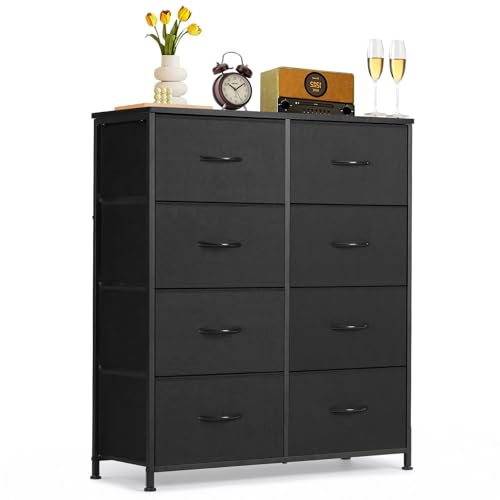
Woven Dresser: A Complete Guide to Natural Style and Smart Storage
Explore the beauty and practicality of woven dressers. Learn about materials, construction, styling, and how to choose the right woven dresser for your bedroom.
START EXPLORINGKey Takeaways
- A woven dresser blends natural texture with practical bedroom storage.
- Materials range from rattan and wicker to cane and seagrass, each with distinct characteristics.
- Construction quality, drawer glide systems, and frame material matter more than surface texture.
- Woven dressers suit coastal, bohemian, farmhouse, and modern interiors.
- Proper care extends the lifespan of natural fiber furniture significantly.
A woven dresser has become one of the most requested bedroom furniture pieces in recent years. Its natural texture adds warmth and character to a space that is often dominated by flat, painted surfaces. Unlike a standard wooden dresser, a woven dresser introduces visual depth through its interlaced surface pattern, making it a focal point even in a minimalist room.
This guide covers everything you need to know before choosing a woven dresser. We examine the materials used in woven furniture, the construction details that separate well-made pieces from flimsy ones, styling approaches for different room types, and maintenance routines that keep natural fibers looking their best. Whether you are furnishing a coastal bedroom, refreshing a bohemian space, or simply looking for a dresser with more personality, this guide will help you make an informed decision.
For broader context on dresser categories, you may also want to explore our guide to wicker dressers, which covers closely related natural fiber furniture.
What Exactly Is a Woven Dresser?
A woven dresser is a storage piece where the drawer fronts, side panels, or entire body feature a woven surface. The weave is typically created from natural or synthetic fibers that are interlaced over a frame. The underlying structure is usually solid wood or engineered wood, which provides the rigidity that woven fibers alone cannot offer.
The term "woven dresser" is an umbrella category. Underneath it, you will find several distinct subtypes:
- Rattan dresser: Made from rattan vine, often with a warm honey or natural tone. Rattan is flexible and durable when properly treated.
- Wicker dresser: Wicker refers to the weaving technique rather than the material. Wicker can be made from rattan, willow, reed, or synthetic fibers.
- Cane dresser: Cane is rattan bark that has been peeled and flattened. Cane webbing is common on drawer fronts and cabinet doors.
- Seagrass dresser: Seagrass is a thicker, more textured fiber with a natural green-brown tone. It is heavier and more rigid than rattan.
- Synthetic woven dresser: Made from resin or plastic fibers woven to mimic natural materials. These are more weather-resistant and often easier to clean.
Each subtype has different durability, care requirements, and visual characteristics. Understanding the distinctions helps you choose a woven dresser that matches your lifestyle and design goals.
Woven Dresser Materials: A Comparative Overview
The material of a woven dresser affects its appearance, durability, and maintenance needs. Below is a comparison of the most common options.
| Material | Character | Best For | Care Level |
|---|---|---|---|
| Rattan | Warm, flexible, smooth weave | Bedrooms with moderate humidity | Moderate — dust regularly, avoid soaking |
| Wicker (natural) | Textured, artisanal, varied tones | Bohemian and coastal interiors | Moderate — keep away from direct moisture |
| Cane | Fine, breathable, elegant | Drawer fronts and cabinet panels | Low to moderate — gentle vacuuming |
| Seagrass | Thick, rustic, green-brown hue | High-traffic family bedrooms | Moderate — more rigid, less prone to denting |
| Synthetic weave | Uniform, weather-resistant, easy-clean | Humid climates and busy households | Low — wipe with damp cloth |
Natural materials develop a patina over time, which many people find appealing. Synthetic weaves maintain a consistent appearance but lack the organic variation of natural fibers. Both can be excellent choices depending on your priorities.
If you are also considering solid wood options, our guide to wood dressers provides a useful comparison point for durability and long-term maintenance.
Construction Quality: What to Look For in a Woven Dresser
The woven surface is only part of the story. A well-built woven dresser relies on a sturdy frame, smooth drawer mechanisms, and careful finishing. Here are the key construction details to evaluate.
Frame Material
The frame is the structural backbone of the dresser. High-quality woven dressers use solid wood frames, typically kiln-dried hardwood. Entry-level models may use engineered wood or particleboard underneath the weave. Solid wood frames resist warping and hold screws more securely over time. When inspecting a woven dresser, look for a solid wood frame as a marker of quality woven dresser construction.
Weave Density and Tension
Run your hand across the woven surface. The fibers should feel tight and evenly tensioned. Loose weaves are more prone to sagging, snagging, and premature wear. On drawer fronts, the weave should be securely attached to the drawer face without gaps or lifting edges.
Drawer Glides
Drawer glides determine how smoothly the dresser operates day to day. Entry-level woven dressers often use wood-on-wood runners or basic nylon glides. Mid-range models typically feature side-mounted ball-bearing glides. Top-tier and luxury woven dressers often include soft-close under-mount glides with full-extension capability. The glide system is one of the clearest indicators of overall product tier.
Drawer Box Construction
The drawer box — the sides, bottom, and back of each drawer — should be sturdy. Look for dovetail joints or reinforced corner blocks. Thicker drawer bottoms resist sagging under the weight of clothing. Some premium woven dressers use felt-lined top drawers for delicate items.
Finishing and Hardware
Natural fiber dressers should have a sealed or treated finish that protects against moisture and staining. Hardware such as pulls and knobs should be securely attached and proportionate to the drawer size. Some woven dressers use leather pulls, which add to the natural aesthetic.
Woven Dresser Tiers: A Relative Classification
To help you understand where a given woven dresser sits in the market, we use a tier-based classification. This system is relative and does not reference specific figures. It reflects construction quality, material grade, and feature set.
| Tier | Typical Characteristics | Best For |
|---|---|---|
| Entry-level | Engineered wood frame, basic glides, lighter weave density | Guest rooms, temporary setups, light use |
| Mid-range | Solid wood frame, ball-bearing glides, consistent weave tension | Primary bedrooms, everyday use |
| Premium | Kiln-dried hardwood frame, soft-close glides, reinforced drawer boxes | High-use bedrooms, design-focused spaces |
| Luxury | Hand-finished weave, full-extension under-mount glides, premium hardware | Statement pieces, long-term investment |
A mid-range woven dresser often offers the most balanced combination of durability, appearance, and feature set for most households. Entry-level models are suitable for spaces where the dresser sees light use, while premium and luxury tiers justify their position through superior materials and mechanisms.
Styling a Woven Dresser in Different Rooms
A woven dresser is versatile enough to work across multiple interior styles. The natural texture softens modern spaces, complements coastal themes, and adds warmth to minimalist bedrooms. Here are some styling approaches.
Coastal and Beach Style
Pair a woven dresser with white or light blue walls, linen bedding, and natural wood accents. Rattan and seagrass dressers are particularly well-suited to this aesthetic. Keep accessories minimal: a ceramic vase, a woven basket, and a soft throw blanket.
Bohemian Bedroom
Bohemian interiors embrace texture and layering. A wicker or cane dresser fits naturally alongside patterned textiles, layered rugs, and trailing plants. Mixing woven furniture with wood and metal pieces creates an eclectic, collected look.
Modern Minimalist
In a minimalist bedroom, a woven dresser can serve as the single textural element. Choose a piece with clean lines and a fine, even weave. Keep the dresser top uncluttered — a single lamp and a small tray are sufficient.
Farmhouse and Cottage
Natural fiber dressers work well in farmhouse settings, especially when paired with painted wood furniture and vintage-inspired accessories. A whitewash dresser and nightstand set can complement a woven piece if you are building a layered bedroom look.
If you are furnishing an entire bedroom, consider how the woven dresser relates to other storage pieces. A wood dresser and nightstand set provides a solid foundation, with the woven dresser serving as an accent or secondary storage piece.
Caring for Your Woven Dresser
Natural fiber furniture requires a modest amount of care to stay in good condition. The following routines will help extend the life of your woven dresser.
Regular Dusting
Dust the woven surface weekly with a soft microfiber cloth or a vacuum brush attachment on low suction. Dust that settles into the weave can cause premature dulling and, in humid conditions, encourage mildew.
Moisture Management
Natural fibers are sensitive to prolonged moisture. Keep the dresser away from direct sources of water and wipe up spills immediately. In humid climates, a dehumidifier or good ventilation helps prevent swelling and warping. Synthetic woven dressers are more forgiving in this regard.
Sunlight Exposure
Prolonged direct sunlight can fade natural fibers and dry them out, leading to brittleness. Position the dresser away from windows with strong afternoon sun, or use curtains or blinds to diffuse the light.
Deep Cleaning
For a deeper clean, use a slightly damp cloth with a mild soap solution. Avoid soaking the weave. Dry the surface thoroughly with a clean towel and allow it to air dry completely. Do not use harsh chemical cleaners, which can damage natural fibers.
Repairing Minor Damage
Small snags or loose fibers can often be trimmed carefully with scissors. For more significant damage, consult a furniture repair specialist experienced with natural fiber furniture. Prompt attention prevents small issues from becoming structural problems.
Where a Woven Dresser Works Best
While woven dressers are most commonly found in bedrooms, they can serve other spaces as well.
- Primary bedroom: A woven dresser adds texture and warmth while providing everyday clothing storage.
- Guest room: An entry-level or mid-range woven dresser offers style without overwhelming a small space.
- Nursery: Choose a woven dresser with secure drawers and a stable frame. Avoid pieces with loose weaves that small fingers could pull.
- Closet or dressing room: A woven dresser can organize accessories and folded clothing in a walk-in closet.
- Living room or hallway: A compact woven dresser can function as an entryway console or a living room storage piece.
For small bedrooms, a wicker chest of drawers offers a more compact footprint while retaining the natural fiber aesthetic. If you need more capacity, a wide dresser with deep drawers provides generous storage in a horizontal format.
Woven Dresser vs. Other Dresser Types
Understanding how a woven dresser compares to other common dresser types helps clarify whether it is the right choice for your needs.
Woven vs. Solid Wood Dresser
Solid wood dressers offer superior structural longevity and can be refinished. Woven dressers provide more visual texture and a lighter aesthetic. A solid wood dresser may be preferable if you prioritize maximum durability and a traditional look. A woven dresser is the better choice if you want natural character and a more relaxed style.
Woven vs. Upholstered Dresser
Upholstered dressers offer softness and acoustic benefits but require fabric cleaning and are more susceptible to staining. Woven dressers are easier to spot-clean and generally more breathable.
Woven vs. Metal Dresser
Metal dressers are highly durable and often more compact. They suit industrial and modern styles. Woven dressers provide warmth and texture that metal cannot match, making them better suited to cozy and organic interiors.
For a different take on natural materials, explore our wood and metal dresser guide, which covers mixed-material construction.
Woven Dresser Buying Checklist
Before finalizing a woven dresser purchase, run through this checklist to ensure you are making a well-informed decision.
- Measure your space: Confirm the dresser dimensions fit your room and that you can move it through doorways and hallways.
- Identify the weave material: Confirm whether the weave is natural rattan, wicker, cane, seagrass, or synthetic.
- Inspect the frame: Look for a solid wood frame rather than particleboard or thin engineered wood.
- Test the drawers: Open and close each drawer. Glides should operate smoothly and consistently.
- Check the weave tension: The woven surface should feel tight and even, with no loose or lifted sections.
- Review the finish: A sealed or treated finish protects natural fibers from moisture and staining.
- Consider hardware: Pulls and knobs should be securely attached and comfortable to use.
- Plan for care: Confirm you can meet the maintenance needs of the material you choose.
- Verify the return policy: Ensure the seller offers a reasonable return window in case the piece does not suit your space.
For a broader framework, see our complete dresser buying guide.
Ready to explore woven dresser options? Browse our curated selection of woven dressers and natural fiber storage pieces below. Each recommendation is selected to help you find a piece that balances style, durability, and practical bedroom storage.
Frequently Asked Questions About Woven Dressers
Is a woven dresser durable enough for daily use?
Yes, provided it is well constructed. A mid-range or premium woven dresser with a solid wood frame and quality drawer glides is entirely suitable for daily use. Entry-level woven dressers are better suited to lighter use, such as guest rooms.
Can a woven dresser be used in a humid climate?
Natural fiber woven dressers require some caution in humid climates. Synthetic woven dressers are a safer choice in consistently humid environments. If you choose a natural fiber piece, ensure good ventilation and avoid placing it in damp areas.
How do I clean a woven dresser?
Dust regularly with a microfiber cloth or vacuum brush attachment. For deeper cleaning, use a slightly damp cloth with mild soap, then dry thoroughly. Avoid soaking the weave and do not use harsh chemicals.
What is the difference between rattan, wicker, and cane?
Rattan is a specific vine material. Wicker refers to the weaving technique, which can use various materials. Cane is rattan bark that has been flattened and used for webbing. A single woven dresser may incorporate more than one of these elements.
Can a woven dresser be painted?
Natural fiber woven dressers can be painted, but the process is more involved than painting a flat wooden surface. The weave requires careful preparation and a suitable primer. Many people prefer to preserve the natural finish rather than paint it.
Are woven dressers suitable for a nursery?
Yes, with safety considerations. Choose a dresser with a stable frame and secure drawers. Avoid pieces with loose weaves that could pose a snagging or pulling risk. Always anchor the dresser to the wall for safety.
How can I tell if a woven dresser is well made?
Check the frame material, weave tension, drawer glide operation, and drawer box construction. A well-made woven dresser will feel solid, operate smoothly, and show consistent finishing throughout.
Final Thoughts
A woven dresser is more than a storage piece — it is a design element that brings natural warmth and texture to a bedroom. By understanding the materials, construction quality, and care requirements, you can choose a woven dresser that serves you well for years.
Whether you lean toward a rattan dresser for a coastal bedroom, a wicker chest for a bohemian space, or a cane-front piece for a modern interior, the key is to prioritize solid construction and a weave that matches your maintenance preferences. Use the checklist and tier framework in this guide to navigate your options with confidence.
For further reading, explore our guides on wicker dressers, wicker chests of drawers, and wooden chests of drawers to compare natural fiber options with traditional wooden storage.