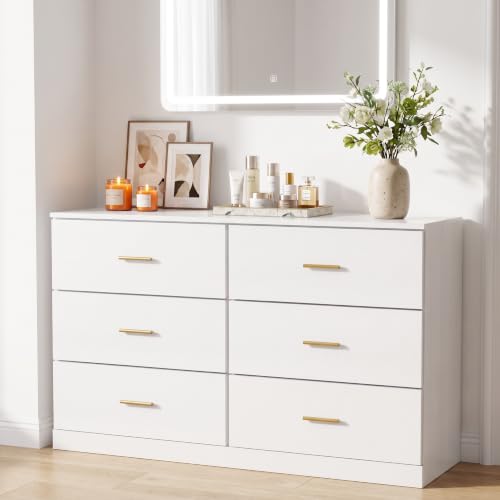
White Chest of Drawers with Gold Hardware: The Complete Buying Guide
A white chest of drawers with gold hardware is one of the most versatile and visually striking bedroom storage pieces you can own. The crisp white finish keeps a room feeling bright and airy, while warm gold pulls add a touch of refined elegance that works across modern, transitional, and glam-inspired interiors. This guide walks you through everything that matters before you commit to a purchase.
Style Directions for White and Gold Chests
Not every white chest with gold hardware looks the same. The design language shifts considerably depending on the drawer front style, the leg profile, and the finish of the gold itself. Before you browse, it helps to identify which aesthetic aligns with your room.
Modern & Minimalist
Clean slab fronts, thin bar pulls in brushed gold, and a matte or satin white finish. These chests emphasize negative space and often sit on slim metal legs. They pair naturally with neutral bedding and uncluttered surfaces. If your bedroom leans contemporary, this is the safest and most cohesive direction.
Glam & Luxe
High-gloss white lacquer, mirrored accents, and ornate gold ring pulls or crystal-and-gold combinations. These pieces are statement-makers and work best in rooms with soft textiles, layered lighting, and a deliberate color story. A white and gold dresser in this style anchors a glam bedroom beautifully.
Transitional & Classic
Raised panel or shaker-style drawer fronts, antique brass or aged gold hardware, and a softly distressed or chalk-white finish. These chests bridge traditional and modern rooms and tend to age gracefully. They suit farmhouse, cottage, and classic bedroom schemes equally well.
Mid-Century Inspired
Tapered legs, angled drawer pulls, and a warm white or cream tone rather than stark white. Gold hardware here is usually understated, often in a brass finish. This style brings warmth and retro character to smaller bedrooms and works well alongside wood-toned furniture.
Choosing the Right Drawer Count and Size
The number of drawers you need depends on what you plan to store and how much floor space is available. A white chest with gold hardware is available in configurations from compact three-drawer units to expansive nine-drawer pieces. Here is how the options typically break down.
| Configuration | Best For | Typical Room Fit | What to Expect |
|---|---|---|---|
| 3–4 Drawers | Small bedrooms, guest rooms, closets | Compact footprints under 40 inches wide | Entry-level to mid-range construction; ideal for folded tops and loungewear |
| 5–6 Drawers | Primary bedrooms, couples, general clothing storage | Standard 48–60 inch widths | Mid-range to premium; good balance of capacity and floor space |
| 7–8 Drawers | Large bedrooms, shared storage, linen plus clothing | Wide or tall formats, 60+ inches | Premium tier; expect reinforced drawer boxes and smoother glides |
| 9+ Drawers | Dedicated dressing areas, luxury suites | Tall or double-wide dressers | High-end tier; often includes felt-lined top drawers and dovetail joinery |
Beyond drawer count, measure your wall space, doorway clearance, and the walking path in front of the chest. A general rule is to leave at least 30 inches of clearance for comfortable drawer opening. If your room is tight, consider a white small dresser for closet or a tall narrow dresser with drawers to gain vertical storage without consuming floor area.
For rooms that need more surface area, a white wide dresser provides generous top space for decor and mirrors while still keeping the white-and-gold look consistent. If you are pairing the chest with a bed set, explore white dresser with nightstand set options to keep finishes and hardware coordinated.
Materials, Construction, and What Lasts
A white finish hides grain variation, which means the quality difference between solid wood and engineered wood is less visible than on a natural wood piece. That makes construction details even more important. Look at the drawer boxes, the joinery, and the finish durability rather than the exterior alone.
Solid Wood Frames
Solid wood carcasses resist warping and hold hardware screws tightly over time. A solid wood white 6 drawer dresser is a long-term investment, particularly if the drawers use dovetail joinery. Check whether the drawer bottoms are plywood or solid wood; plywood is acceptable and often more stable in humidity.
Engineered Wood and MDF
MDF and particleboard with a painted or laminated finish are common at entry-level and mid-range tiers. They can look excellent and serve well in low-traffic rooms, but screws may loosen over repeated moves. If you are comparing options, our guide on solid wood vs engineered furniture explains the trade-offs clearly.
Finish Durability
A painted white finish should be sealed with a topcoat that resists yellowing and scuffing. Lacquer and conversion varnish are common at higher tiers. Matte finishes hide fingerprints better; high-gloss finishes show dust and scratches more readily. Consider how much daily handling the drawer fronts will receive.
Drawer Glides and Stops
Metal ball-bearing side glides are standard at mid-range and above. Soft-close mechanisms and full-extension slides are markers of premium construction. Drawer stops prevent accidental pull-out. These details matter more than the exterior in day-to-day use.
Gold Hardware: What to Look For
Gold hardware is the defining feature of this style, and it is also where quality varies most. The finish on a knob or pull determines how it ages, how it feels in the hand, and whether it stays visually consistent with the rest of the piece.
- Solid metal vs. plated plastic: Solid brass, zinc alloy, and stainless steel with a gold finish are durable. Plastic pulls with a metallic coating tend to chip and lose shine within a few years.
- Finish type: Brushed or satin gold hides fingerprints and small scratches. Polished gold is more reflective but requires more frequent cleaning. Antique brass and champagne gold are warmer and more forgiving in transitional rooms.
- Coating quality: A protective lacquer over the gold finish slows tarnishing and wear. Ask whether the hardware is lacquered, and check buyer feedback on long-term finish durability.
- Hardware consistency: On a multi-drawer chest, every pull should align and feel identical. Misaligned or loose hardware is a common quality-control issue at entry-level tiers.
- Replaceability: Standard screw spacing makes it easy to swap hardware later. If you want to refresh the look, choose a chest with standard center-to-center pull spacing.
If you are drawn to this palette but want more decorative detail, explore options like a white chest with gold hardware that includes ring pulls or mixed-metal accents. Those variations can add personality while keeping the core white-and-gold story intact.
Styling a White and Gold Chest in Your Bedroom
A white chest of drawers with gold hardware is a natural focal point, but it also needs to earn its place functionally. Position it so the top surface is usable, the drawers open freely, and the piece relates well to the bed and window.
Anchor with a Mirror
A simple arched or rectangular mirror above the chest adds light and makes the gold hardware stand out. A white and gold dresser with mirror arrangement is a classic bedroom composition and works especially well in smaller rooms.
Keep the Top Curated
Restraint is key. A tray, a lamp, and one or two meaningful objects are enough. Too many small items compete with the hardware and make the piece look cluttered. Let the white-and-gold contrast do the visual work.
Layer Textures Nearby
Balance the smooth white finish with texture: a woven basket, a linen bench, or a wool throw. These elements keep the room from feeling too polished and make the gold feel warmer and more integrated.
Coordinate with Bedroom Sets
If you want a cohesive look, pair the chest with matching case goods. A white dresser chest and nightstand set ensures the hardware finish and white tone match exactly, which is difficult to achieve when buying pieces separately.
Quality Tiers: How to Read the Market
Rather than thinking in terms of numbers, it helps to understand where a chest sits within the market tiers. The descriptors below are relative and reflect construction and material choices rather than any specific figure.
| Tier | Typical Construction | Hardware | Best For |
|---|---|---|---|
| Entry-Level | Engineered wood, stapled or cam-lock assembly, basic glides | Plated metal or plastic pulls | Guest rooms, temporary setups, light use |
| Mid-Range | MDF or mixed wood, screwed assembly, ball-bearing glides | Zinc alloy with gold finish, consistent alignment | Primary bedrooms, everyday clothing storage |
| Premium | Solid wood frame, dovetail or reinforced drawer boxes, soft-close glides | Solid brass or high-grade alloy, lacquered finish | Long-term use, high-traffic bedrooms, design-focused rooms |
| Luxury | Kiln-dried hardwood, hand-finished, felt-lined top drawers | Designer hardware, precise machining, replaceable components | Statement bedrooms, dressing rooms, collector pieces |
A mid-range chest is usually the sweet spot for most households. It offers smooth drawer operation and a finish that holds up, without the cost of fully hand-built construction. If you plan to keep the piece for a decade or more, stepping up to premium construction is a worthwhile investment.
Safety, Placement, and Practical Checks
- Anti-tip anchoring: Any chest taller than 30 inches should be anchored to the wall, especially in homes with children or pets. Check whether the hardware kit is included.
- Drawer weight limits: Overloading drawers stresses glides and can cause sagging. Distribute heavier items to lower drawers where possible.
- Humidity and temperature: White painted finishes can yellow or crack in consistently damp rooms. Keep the chest away from direct heat sources and ensure good ventilation.
- Doorway and stair clearance: Measure the assembled dimensions and the packaging dimensions before ordering. A chest that will not fit through a stairwell is a costly problem.
- Assembly requirements: Some chests arrive flat-packed. Check whether assembly is required and whether the tools are included. If assembly is not your preference, look for fully assembled options.
If you are furnishing a nursery or child's room, a white chest of drawers nursery model with rounded corners and included anti-tip hardware is a safer choice than a standard adult chest. The white-and-gold palette can work beautifully in a nursery when the hardware is smooth and the finish is low-VOC.
White and Gold vs. Other Finishes
White with gold is not the only option, and comparing it with alternatives helps clarify whether it suits your space. A white chest of drawers with silver or nickel hardware reads cooler and more industrial. A white dresser with gold accents in the form of legs or trim can be a subtler introduction to the palette if full gold hardware feels too bold.
For a warmer, more natural look, a white chest of drawers with wooden top introduces organic texture and pairs well with gold hardware. And if you are drawn to texture, a white and rattan dresser offers a different kind of warmth while keeping the white base. If you prefer a more dramatic contrast, a white and silver dresser is an alternative worth considering, particularly in cooler-toned rooms.
Ready to Choose Your White and Gold Chest?
You now have a clear framework: identify your style direction, measure your space, prioritize drawer box construction and hardware quality, and plan how the piece will sit in the room. Use this guide as your checklist when comparing options, and you will end up with a chest that looks as good in five years as it does on delivery day.
Explore Recommended OptionsFrequently Asked Questions
Does gold hardware on a white chest tarnish over time?
Quality gold hardware with a protective lacquer finish resists tarnishing well. Unlacquered brass will develop a patina, which some people prefer. Entry-level plated hardware is more likely to fade or chip. Check whether the hardware is lacquered and read long-term feedback from buyers.
Can I replace the gold hardware later if I change my style?
Yes, if the chest uses standard screw spacing. Measure the center-to-center distance of the existing pulls before shopping for replacements. Standard spacing makes it easy to swap to black, nickel, or wood pulls without drilling new holes.
Is a white chest with gold hardware suitable for a small bedroom?
It can be, especially if you choose a compact or tall format. White reflects light and makes small rooms feel larger, and gold hardware adds warmth without visual weight. A tall, narrow configuration maximizes vertical storage without consuming floor space.
How do I clean a white painted chest with gold hardware?
Use a soft, slightly damp cloth for the white surfaces and a dry microfiber cloth for the hardware. Avoid abrasive cleaners and ammonia-based products, which can dull the gold finish. For stubborn marks on the paint, a mild dish soap solution is usually sufficient.
What is the difference between a chest of drawers and a dresser?
The terms overlap, but a chest of drawers typically refers to a taller, narrower piece with stacked drawers, while a dresser is often wider and may include a mirror. In practice, many retailers use the terms interchangeably. Focus on dimensions and drawer count rather than the label.