Vintage Cedar Chest: The Complete Guide
Everything you need to know about antique and vintage cedar chests — how to identify quality, evaluate condition, use them for storage, and choose the right piece for your home.
START EXPLORINGWhy a vintage cedar chest? A well-made cedar chest is more than a storage box — it is a piece of furniture with history, character, and practical value. The natural oils in cedar wood help deter moths and resist moisture, making these chests a traditional favorite for protecting textiles, linens, and keepsakes. Whether you are hunting for an antique hope chest or a mid-century storage trunk, this guide will help you understand what to look for and how to get the most from your purchase.
What Makes a Cedar Chest Special?
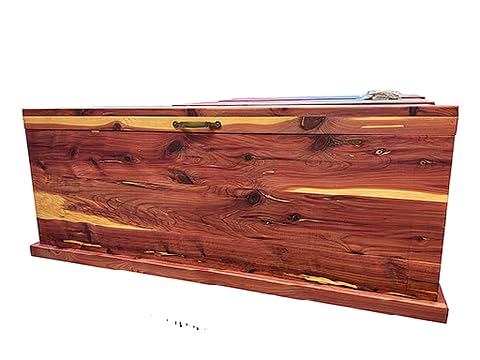
Cedar chests have been a staple of bedroom and living room furniture for generations. The wood itself — usually aromatic red cedar or white cedar — releases a natural scent that is unpleasant to moths and other insects, which is why these chests were traditionally used to store wool blankets, linens, and seasonal clothing. Over time, the exterior of vintage cedar chests often develops a warm patina that adds to their appeal.
Unlike modern storage benches or plastic bins, a vintage cedar chest is a long-term investment. Many pieces from the early to mid-20th century were built with solid cedar panels and dovetail joinery, meaning they can last for decades with proper care. If you are comparing storage options, it helps to understand how a cedar chest fits alongside other bedroom storage furniture such as a tall chest of drawers or a storage dresser for the living room.
Key Features to Evaluate
Wood Species & Aroma
Genuine cedar — especially aromatic red cedar — has a distinct, fresh scent. If the aroma is faint or absent, the chest may have been refinished or lined with a non-cedar material. A strong, natural cedar smell is a good sign of authenticity.
Joinery & Construction
Look for dovetail joints at the corners and solid wood panels rather than thin plywood. Well-built vintage chests often use tongue-and-groove construction, which helps the wood expand and contract with humidity changes.
Lid Mechanism
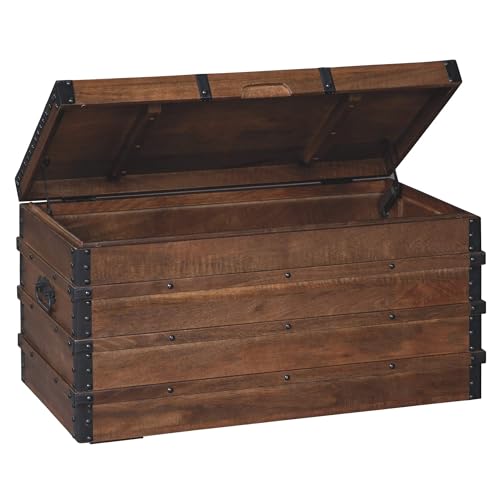
Original hinges, a lid support, and a secure latch are important for safety and function. Check that the lid opens smoothly and stays open without slamming — a failing hinge can be repaired, but it is a factor in condition.
Interior Condition
Inspect the interior for water stains, mold, or heavy odor. A lightly used interior with intact cedar lining is ideal. Some chests include a removable tray, which adds practical organization for small items.
Exterior Finish
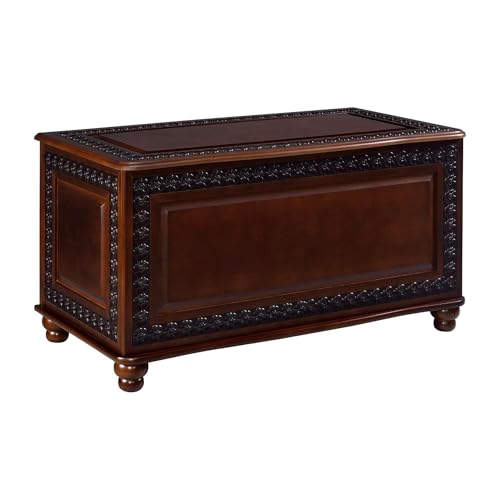
Original finish with a warm patina is desirable. Refinished pieces can be fine if the work was done well, but heavy paint or veneer can hide damage. Check edges and corners for chips and lifting veneer.
Size & Placement
Cedar chests range from compact blanket boxes to full-size storage trunks. Measure your intended space — at the foot of the bed, in an entryway, or under a window — before committing to a size.
Vintage Cedar Chest Tiers: What to Expect
Vintage cedar chests vary widely in construction quality and historical significance. The table below uses neutral tier descriptors to help you compare categories without relying on numeric figures. Use this framework to align your expectations with the type of piece you are considering.
| Tier | Typical Characteristics | Best For |
|---|---|---|
| Entry-level | Simpler construction, thinner panels, basic hardware, often later production pieces | First-time buyers, casual storage, decorative use |
| Mid-range | Solid cedar panels, dovetail joinery, original hardware, moderate patina | Everyday storage, bedrooms, linen and blanket protection |
| Premium | Heavy solid cedar, fine joinery, original tray and lock, well-preserved finish | Collectors, heirloom use, prominent placement in living spaces |
| Luxury / Antique | Early 20th-century maker marks, exceptional craftsmanship, rare details, strong provenance | Serious collectors, statement furniture, long-term investment |
In general, mid-range and premium pieces offer the best balance of durability and character for most households. Entry-level chests can still be solid choices for lighter use, while luxury and antique examples are best approached with an eye for provenance and restoration history. For broader context on evaluating furniture quality, see our dresser buying guide.
Buying Tips for Vintage Cedar Chests
- Smell before you buy: A genuine cedar chest should have a noticeable cedar aroma. A musty or chemical smell can indicate moisture or heavy refinishing.
- Check the interior lining: Original cedar lining is ideal; some chests were lined with fabric or paper that may need removal.
- Test the lid: Open and close it several times. Hinges should move smoothly, and the lid should stay open without assistance.
- Inspect joinery: Dovetail and tongue-and-groove joints are signs of quality. Loose or gaping joints may need repair.
- Look for maker marks: Labels, stamps, or branded marks can add historical interest and help confirm authenticity.
- Consider restoration needs: Minor scratches are normal for vintage pieces. Structural damage, mold, or missing hardware should factor into your decision.
Practical Uses for a Cedar Chest
A cedar chest is versatile beyond the bedroom. Here are some practical ways to use one in your home:
- Blanket and linen storage: The classic use — cedar helps protect wool and natural fibers from moths.
- Seasonal clothing rotation: Store out-of-season garments in a cedar chest to keep them fresh and organized. Pair this with under-bed storage for a complete seasonal system.
- Entryway bench and storage: A low cedar chest can serve as a bench near the door while holding gloves, scarves, and small items.
- Living room blanket box: Place a cedar chest near a sofa or fireplace for throws and pillows.
- Keepsake and memory storage: Protect photographs, letters, and heirloom textiles in an archival-safe environment.
If you are furnishing a bedroom and want to coordinate storage pieces, consider how a cedar chest complements a tall bedroom dresser or a wide chest of drawers. For rooms with limited floor space, a narrow entryway cabinet with doors can supplement the storage a cedar chest provides.
Caring for a Vintage Cedar Chest
Proper care preserves both the wood and the cedar aroma. Follow these simple practices:
- Dust regularly with a soft cloth; avoid harsh chemical cleaners that can strip the natural oils.
- Keep the chest away from direct sunlight and heat sources to prevent warping and fading.
- Refresh the cedar scent periodically by lightly sanding the interior with fine-grit sandpaper.
- Address minor scratches with a furniture-safe polish or wax designed for natural wood.
- If the chest has a lock, keep the key accessible and avoid forcing a stuck mechanism.
If you are considering a refinishing project, our guide on refinishing wood furniture with paint can help you decide whether to restore or preserve the original finish. For related solid-wood pieces, explore reclaimed wood dressers and solid wood six-drawer dressers.
Ready to Find Your Cedar Chest?
Browse our curated selection of vintage-inspired and cedar storage chests below, or continue learning with our related guides.
VIEW RECOMMENDED CHESTSFrequently Asked Questions
How can I tell if a cedar chest is genuinely vintage?
Look for construction details such as dovetail joints, solid cedar panels, and period hardware. Maker labels, stamps, and the overall patina of the wood can also indicate age. If possible, consult a furniture appraiser for high-value pieces.
Does the cedar scent fade over time?
Yes, the natural aroma can diminish as the wood ages or if the interior has been sealed. Lightly sanding the interior with fine-grit sandpaper often revives the scent by exposing fresh wood.
Can I use a cedar chest for storing electronics or photographs?
Cedar chests are ideal for textiles, but for photographs and sensitive electronics, use archival boxes or acid-free materials. The natural oils and humidity fluctuations inside a wooden chest may not be suitable for all items.
What should I check before buying an antique cedar chest?
Inspect the interior for mold or water damage, test the lid and hinges, check the joinery, and confirm the cedar aroma. Ask about restoration history and provenance if you are buying from a dealer or collector.
How does a cedar chest compare to a modern storage bench?
Vintage cedar chests typically offer solid wood construction and natural insect deterrence, while modern storage benches may be lighter and more upholstered. The best choice depends on your storage needs and design preferences.
Continue Exploring
If you are building a cohesive bedroom or storage plan, these related guides may help: