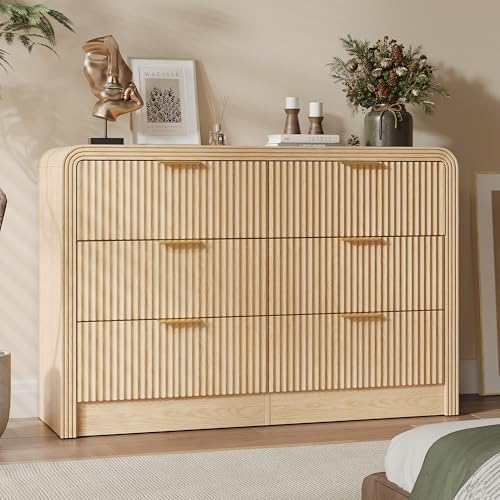
The Tiger Oak Dresser: A Complete Guide
Discover the timeless beauty, durability, and unique grain patterns of tiger oak. Learn how to choose, style, and care for this classic piece of furniture.
What is a Tiger Oak Dresser?
A tiger oak dresser is a piece of furniture made from oak wood that displays a distinctive, striking grain pattern known as "tiger grain" or "quarter-sawn oak." This pattern features bold, wavy stripes that resemble the coat of a tiger, created when the wood is cut at a specific angle to reveal the medullary rays. These dressers are celebrated for their exceptional durability, rich warm tones, and unique visual appeal that makes each piece one-of-a-kind.
Originally popular during the Arts and Crafts movement and the American Craftsman style of the early 20th century, tiger oak dressers have experienced a resurgence in popularity. Their robust construction and timeless aesthetic make them a sought-after choice for bedrooms, living spaces, and even home offices. Whether you're looking for an antique piece or a modern reproduction, understanding the characteristics of tiger oak is essential to making a wise investment.
💡 Key Insight: A genuine tiger oak dresser is not just a piece of furniture; it's a work of art. The distinctive grain makes each piece unique, and its durability ensures it can be passed down through generations.
Price & Value
The price of a tiger oak dresser can vary significantly based on age, condition, size, and craftsmanship. $800–$2,500+ is a typical range for a well-maintained antique or a high-quality modern reproduction. Prices can go much higher for museum-quality pieces from renowned makers like Stickley or Gustav Stickley.
- Antique (1900–1940): $1,200 – $4,000+ (condition and originality are key).
- Vintage (1950–1980): $600 – $1,800 (often more affordable but may need refinishing).
- Modern Reproduction: $900 – $3,000+ (new materials and custom finishes).
When evaluating a tiger oak dresser, consider the joinery, drawer construction, and hardware. Dovetail joints, solid wood back panels, and original brass or copper hardware are signs of superior quality that add significant value.
Styles and Design
Tiger oak dressers are available in several classic styles that complement various interior design themes. From the clean lines of the Queen Anne dresser to the ornate details of a Chippendale dresser, there is a tiger oak piece for every taste.
- Arts & Crafts / Mission Style: Features straight, vertical lines and exposed joinery. Emphasizes the natural beauty of the wood.
- Victorian: More ornate with intricate carvings and curved fronts. Often includes a matching mirror.
- Mid-Century Modern: Sleeker, more minimalistic shapes that still highlight the tiger grain.
- Contemporary: Modern interpretations with clean, geometric shapes and updated hardware.
The versatility of tiger oak makes it a fantastic choice for both traditional and modern bedrooms. It pairs beautifully with warm neutrals, deep greens, and rich blues. For a cohesive look, consider a dresser and nightstand set to complete your bedroom suite.
How to Buy a Tiger Oak Dresser
When shopping for a tiger oak dresser, whether online or in person, it's important to be thorough. Here's a step-by-step guide to ensure you get the best value for your money.
- Examine the Grain: Ensure the tiger stripe pattern is consistent and bold. It should be a natural part of the wood.
- Check the Construction: Look for dovetail joints in the drawers, a solid wood back, and sturdy legs.
- Assess the Condition: Note any water stains, cracks, or repairs. Minor damage can be fixed, but structural issues are a red flag.
- Test the Drawers: They should slide smoothly and be structurally sound. Soft-close slides are a great modern upgrade.
- Understand the Finish: Tiger oak was often finished with a rich, amber shellac or varnish that darkens with age. A good refinish can bring it back to life.
For a deeper dive into making the right choice, read our comprehensive dresser buying guide and learn about what makes a dresser high-quality. If you're on a budget, explore our recommendations for affordable chests of drawers.
Caring for Your Tiger Oak Dresser
With proper care, your tiger oak dresser will last for decades. The wood is naturally hard and resistant to wear, but it still benefits from regular maintenance.
- Dust Regularly: Use a soft, dry cloth to remove dust. Avoid abrasive cleaners.
- Polish Occasionally: Use a high-quality furniture polish or beeswax to maintain the luster. Avoid silicone-based products.
- Protect from Sunlight: Prolonged direct sun can fade the rich color. Use curtains or UV-protective film on windows.
- Watch the Humidity: Extreme changes in humidity can cause wood to crack or warp. Keep the environment stable.
- Repair Minor Scratches: A touch-up pen or wax stick can easily hide minor scratches and blemishes.
If you're considering a more ambitious project, our guide on dresser restoration and repurposing a dresser offers inspiration and practical advice.
Tiger Oak vs. Other Woods
How does tiger oak compare to other popular woods? Here's a quick breakdown to help you decide.
- vs. Standard Oak: Tiger oak is cut differently (quarter-sawn) to reveal the dramatic grain, whereas plain-sawn oak has a more subdued, wavy grain.
- vs. Mahogany: Mahogany is generally darker and redder, with a straighter grain. It's also softer than oak.
- vs. Walnut: Walnut is richer and darker, with a straighter grain. Tiger oak has a more distinct, bold pattern and is more durable.
- vs. Pine: Pine is softer, lighter, and more affordable. It lacks the dramatic visual impact and durability of tiger oak.
Ultimately, the choice depends on your personal style, budget, and the look you want to achieve. Tiger oak offers unmatched character and longevity that makes it a worthwhile investment.
Frequently Asked Questions
Is tiger oak real oak?
Yes, tiger oak is simply a specific cutting style (quarter-sawn) of oak. It's the same species, but the cut reveals the medullary rays, creating the striped "tiger" pattern.
How can I tell if a dresser is genuine tiger oak?
Look for the distinctive, wavy stripes that run perpendicular to the grain. Genuine tiger oak has a bold, three-dimensional effect that shifts as you move around it.
Is tiger oak valuable?
Yes, antique tiger oak dressers, especially those from the Arts and Crafts period, can be highly valuable, often ranging from $1,500 to $5,000 or more, depending on the maker and condition.
Can I refinish a tiger oak dresser?
Absolutely. Professional refinishing can restore an old tiger oak dresser to its former glory. However, because of the unique grain, it's best left to an experienced professional.
Ready to Find Your Perfect Tiger Oak Dresser?
Browse our curated selection of high-quality tiger oak dressers and storage solutions. Each product is selected for its craftsmanship and value.