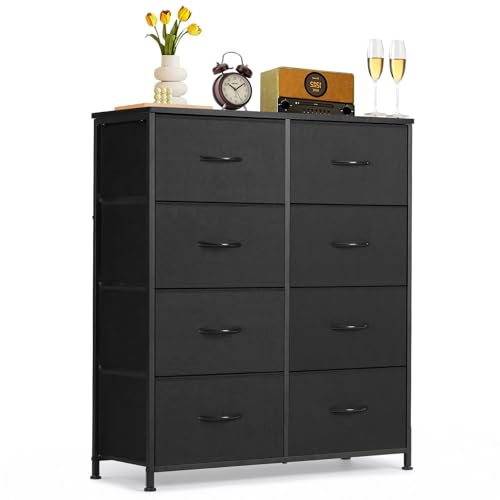
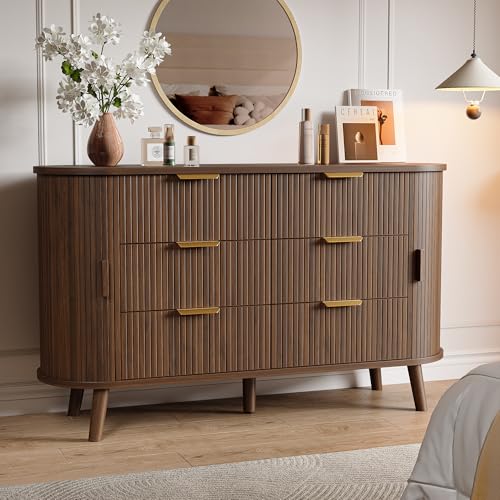
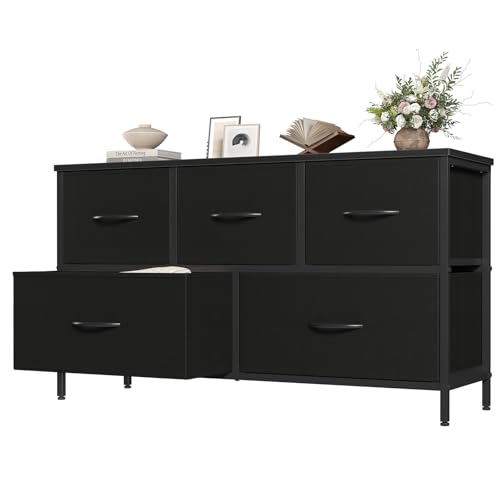
Living Room Dresser: The Complete Guide to Stylish Storage
Transform your living room with a dresser that combines beautiful design and practical storage. Learn how to choose the right size, style, and placement for your space.
START EXPLORINGA living room dresser is one of the most underrated pieces of furniture in home design. While dressers are traditionally associated with bedrooms, placing one in your living room opens up a world of organizational possibilities without sacrificing style. Whether you live in a compact apartment where every square foot counts or a spacious home where you need discreet storage for everyday items, a well-chosen dresser can anchor your living space and keep clutter out of sight.
In this guide, we walk you through everything you need to know before choosing a living room dresser: the types available, the materials that work best, how to measure your space, and how to style the piece so it looks intentional rather than out of place. By the end, you will have a clear picture of which dresser fits your lifestyle and your living room.
Why a dresser works in the living room: Unlike open shelving or exposed storage baskets, a dresser conceals everyday items behind closed drawers. This keeps your living space looking tidy while providing quick access to blankets, games, remote controls, and other essentials. The flat top surface also doubles as a display area for decor, lamps, or a television.
Why Add a Dresser to Your Living Room?
The living room is often the busiest room in the house, and it accumulates clutter faster than any other space. A dresser gives you a dedicated place for the items that otherwise end up on coffee tables and sofas. Beyond storage, it adds visual weight and character to the room.
Concealed Storage
Keep blankets, board games, charging cables, and remote controls hidden behind closed drawers. Your living room stays guest-ready at all times.
Versatile Surface Area
The top of a dresser provides a stable platform for a lamp, framed photos, a plant, or a television. It functions as a console table and storage unit in one.
Design Flexibility
Available in styles ranging from modern and mid-century to farmhouse and rustic, a dresser can complement virtually any living room aesthetic.
Space Efficiency
In smaller homes, a dresser replaces multiple storage pieces. It works along a wall, behind a sofa, or in an entryway corner without disrupting traffic flow.
Media Console Alternative
A long, low dresser serves as an excellent media console. Deep drawers hold DVDs, gaming accessories, and electronics while the top supports your screen.
Long-Term Durability
Quality dressers made from solid wood or high-grade engineered materials last for years, making them a worthwhile investment for any living space.
Types of Living Room Dressers
Not all dressers are designed for the same purpose. Understanding the main categories helps you narrow down your options quickly. Below is a breakdown of the most common types suited to living room use, along with their ideal applications.
| Dresser Type | Best For | Key Characteristics |
|---|---|---|
| Low Dresser | Media consoles, beneath windows, end-of-sofa placement | Wide and shallow profile; top surface ideal for a TV or decor display |
| Long Dresser | Large wall spaces, living rooms with expansive floor plans | Extended width with multiple drawers; creates a strong visual anchor |
| Small Dresser | Apartments, compact living rooms, entryway corners | Space-saving footprint; typically three to four drawers |
| Tall Chest of Drawers | Narrow wall segments, vertical storage needs | Compact footprint with stacked drawers; maximizes vertical space |
| Mid-Century Modern Dresser | Contemporary and retro-inspired living rooms | Tapered legs, clean lines, warm wood tones, minimalist hardware |
| Farmhouse Dresser | Rustic, cozy, and transitional living spaces | Distressed finishes, prominent hardware, generous drawer depth |
How to Choose the Right Living Room Dresser
Choosing a dresser for your living room requires balancing aesthetics with practical considerations. Unlike a bedroom dresser, which is judged primarily on drawer capacity, a living room dresser must also function as a visible design element. Use the checklist below to guide your decision.
- Measure your floor space: Identify the wall or corner where the dresser will sit. Leave at least 30 inches of clearance for walkways and ensure the piece does not block doorways or heating vents.
- Determine the primary function: Will it hold a television, act as an entryway catch-all, or store living room essentials? The intended use dictates the height, width, and drawer configuration you need.
- Consider the height relative to seating: If the dresser sits beside a sofa or armchair, its top should be roughly level with or slightly below the armrest for a balanced look.
- Match the material to your lifestyle: Solid wood offers durability and timeless appeal. Engineered wood with veneer provides a more accessible option with consistent finishes. Metal and glass suit modern aesthetics.
- Evaluate drawer mechanisms: Look for smooth-gliding metal slides with a soft-close feature. Dovetail joints indicate sturdier drawer construction in higher-tier pieces.
- Check safety features: Anti-tip hardware is essential, especially in homes with children or pets. Ensure the dresser includes or supports a wall-anchoring kit.
- Plan the finish: Light finishes brighten small or dark rooms. Dark finishes add warmth and drama to larger spaces. Neutral tones offer the most flexibility if you plan to redecorate later.
Materials and Finishes That Work in the Living Room
The material of your dresser affects its appearance, durability, and how well it blends with your existing furniture. Living room dressers tend to be on display more than bedroom pieces, so finish quality matters.
Solid wood dressers, particularly in oak, walnut, or maple, offer the most durability and a natural grain that ages gracefully. Mid-tier engineered wood with a quality veneer delivers a consistent look and is less prone to warping in humidity changes. For a lighter, airier feel, consider a light wood dresser that opens up the room. If your living room leans modern, a lacquer dresser provides a smooth, reflective finish that adds a touch of sophistication.
Painted finishes are another option, with white, gray, and black being the most versatile. A large black dresser can anchor a living room with a bold, contemporary look, while lighter neutrals blend into calm, minimalist schemes. For those who prefer natural texture, a laminate dresser delivers a practical, easy-to-clean surface that holds up well in high-traffic areas.
Where to Place a Dresser in Your Living Room
Placement can make or break the look and functionality of a living room dresser. Here are the most effective positions and the scenarios where each works best.
Along a bare wall: This is the classic placement. A long dresser centered on an empty wall fills the visual gap and provides a focal point. Add artwork above and a pair of lamps on either end for a balanced arrangement.
Beneath a window: A low dresser works beautifully under a window, especially in rooms where wall space is limited. Ensure the dresser does not block airflow from radiators or vents.
Behind a sofa: In open-plan layouts, a narrow dresser placed behind a floating sofa acts as a subtle room divider and provides storage accessible from both sides.
In an entryway corner: If your living room connects to an entryway, a small dresser can serve as a drop zone for keys, mail, and bags. Browse our living room dresser ideas for more placement inspiration.
As a media console: A low, wide dresser positioned opposite your seating area works as a TV stand. Choose a model with a cable management cutout or drill your own to keep wires tidy.
Styling Your Living Room Dresser
Once your dresser is in place, the top surface becomes a canvas for your personal style. The goal is to create a balanced arrangement that feels curated but not overcrowded. Start with one large anchor piece, such as a lamp or a framed mirror, then layer in smaller objects like books, a small plant, or a decorative bowl. A tray helps corral remote controls and other small items so they do not scatter across the surface.
Avoid covering the entire top with decor. Leave some negative space so the dresser reads as a functional piece rather than a display shelf. If the dresser sits behind a sofa, keep the styling low so it does not obstruct the view between the two areas. For more inspiration, explore our living room chests guide, which covers complementary storage pieces that work alongside a dresser.
Frequently Asked Questions
Absolutely. A dresser is one of the most versatile storage pieces you can place in a living room. It works as a media console, an entryway catch-all, a display surface, or a discreet place to store blankets, games, and everyday essentials. The key is choosing a style that complements your existing decor and a size that fits your available floor space.
The ideal size depends on your room and intended use. For a media console beneath a wall-mounted television, a long, low dresser with a wide top surface works well. For a compact apartment living room, a narrow or small dresser keeps the floor plan open. Measure your available wall space, leave clearance for walkways, and consider the height relative to your seating and TV placement before deciding.
Living room dressers are ideal for items that tend to clutter shared spaces: throw blankets, board games, remote controls, charging cables, table linens, craft supplies, and seasonal decor. Deep drawers handle bulkier items, while shallow drawers work well for smaller accessories. Using drawer dividers and labels keeps everything easy to find.
Treat the dresser top as a curated display surface. Anchor it with a lamp or a piece of art, add a tray for remotes and small items, and layer in books, plants, or decorative objects. Keep the arrangement balanced and avoid overcrowding so the piece feels intentional rather than cluttered.
Ready to Find Your Perfect Living Room Dresser?
Browse our curated selection of dressers and storage pieces that combine style, durability, and practical organization for your living space. Each recommendation is chosen to help you make a confident, informed decision.
VIEW RECOMMENDED DRESSERS