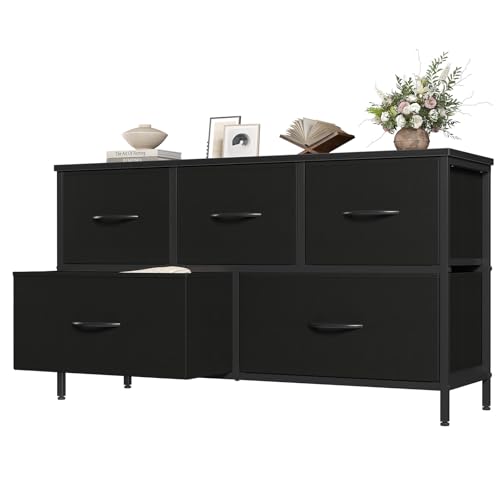
Hallway Dresser Guide: Smart Storage for Your Corridor
Discover the perfect hallway dresser to combine style, storage, and function. From narrow designs to spacious consoles, find the ideal piece for your entryway.
START EXPLORINGWhy a hallway dresser? A hallway dresser transforms an empty corridor into a functional and inviting space. It offers a convenient drop zone for keys, mail, and daily essentials while adding visual warmth and personality to your home. Whether you have a grand foyer or a compact entryway, the right hallway dresser can make a significant impact.
What Is a Hallway Dresser?
A hallway dresser is a versatile furniture piece designed to fit in entryways, corridors, or transitional spaces. It typically features a combination of drawers, shelves, or cabinets, offering both surface display area and concealed storage. Unlike larger bedroom dressers, hallway dressers are often narrow and sleek to maximize walkway space while providing ample organization for everyday items.
These dressers come in a variety of styles, from modern and minimalist to rustic and farmhouse, allowing you to match your home's aesthetic. A well-chosen hallway dresser can serve as a focal point, anchoring the space and setting the tone for the rest of your home.
5 Benefits of a Hallway Dresser
✅ Smart Storage
Keep clutter out of sight with spacious drawers and cabinets, perfect for gloves, scarves, pet leashes, and mail.
✅ Display Surface
Showcase lamps, vases, framed photos, or a catch-all tray to add personality and warmth to your entryway.
✅ Space Efficiency
Designed for narrow spaces, many hallway dressers are just 12–18 inches deep, making them ideal for tight corridors.
✅ Entryway Organization
Create a dedicated drop zone for keys, wallets, sunglasses, and other daily essentials so you never lose them again.
✅ Aesthetic Appeal
Instantly elevate your entryway with a stylish piece that complements your interior design and makes a great first impression.
How to Choose the Perfect Hallway Dresser
Selecting the ideal hallway dresser involves considering several factors. Here's a step-by-step guide to help you make the best decision.
1. Measure Your Space
Start by measuring the width, depth, and height of your hallway. The depth is critical – aim for a dresser that is 12–18 inches deep to avoid obstructing the walking path. Ensure there's enough room to open drawers fully. If your hallway is extra narrow, consider a 24-inch-wide dresser or a small dresser that fits snugly against the wall.
2. Determine Your Storage Needs
Think about what you'll store. For keys, mail, and small items, a 3-drawer dresser may suffice. If you need to store shoes, bags, or seasonal accessories, consider a 4-drawer or 5-drawer dresser with deeper drawers. Some hallway dressers also feature open shelves or a cabinet for added versatility.
3. Choose a Style That Complements Your Decor
The style of your hallway dresser should harmonize with your home's overall design. For a contemporary look, opt for a modern dresser with clean lines and minimalist hardware. If your home has a more traditional feel, a farmhouse dresser or a mid-century dresser can add character. For a boho or eclectic vibe, consider a rattan dresser or a white rattan dresser.
4. Pick the Right Material & Finish
Durability and aesthetics go hand in hand. Solid wood such as oak, walnut, or pine offers longevity and a premium feel. A dark gray dresser or a two-tone dresser can make a bold statement, while a neutral dresser blends seamlessly with any color palette.
5. Consider Multi-Functionality
Some hallway dressers double as a console table or media stand. If you plan to place a TV or decorative items on top, ensure the surface is sturdy and wide enough. A TV dresser can also work in a hallway if space permits.
Popular Hallway Dresser Styles
Hallway dressers come in a range of designs to suit every taste. Here are some of the most popular styles.
- Modern: Clean lines, sleek hardware, often in neutral tones or bold colors like black solid wood or white gloss.
- Rustic: Reclaimed wood, distressed finishes, and a warm, inviting feel. A rustic brown dresser adds earthy charm.
- Mid-Century: Tapered legs, organic shapes, and a retro vibe. Popular in walnut or white finishes.
- Farmhouse: Classic, charming, often with beadboard detailing or a white farmhouse dresser finish.
- Boho: Eclectic, with natural materials like rattan, bamboo, or a washed natural dresser for a relaxed look.
Hallway Dresser Sizing Guide
Finding the right size is crucial for both function and flow. Here are common dimensions to consider:
- Width: Ranges from 24 inches (24-inch wide dresser) to 48 inches (48-inch wide dresser) or more. Choose based on your available wall space.
- Depth: Typically 12–18 inches. A narrow dresser is ideal for tight hallways.
- Height: Usually 30–36 inches. A high dresser can provide extra storage without taking up more floor space.
Materials & Finishes for Hallway Dressers
Your choice of material affects durability, style, and maintenance. Here are the most common options:
- Solid Wood: Offers longevity and a timeless look. Popular choices include oak, walnut, and pine.
- Engineered Wood: Affordable and available in many finishes. A white wide dresser can brighten a dark hallway.
- Metal & Glass: For a contemporary or industrial look, consider a dresser with metal accents or glass tops.
- Rattan & Bamboo: Lightweight and eco-friendly, adding a natural, boho touch.
Where to Place Your Hallway Dresser
Proper placement enhances both functionality and aesthetics. Here are some ideas:
- Against a Blank Wall: The most common placement, creating a focal point and a functional drop zone.
- In an Alcove: Utilize a recessed area to create a built-in look.
- Behind a Sofa: In an open-plan layout, a narrow dresser can serve as a console table behind a sofa.
- Under a Window: A low dresser can provide storage without blocking light.
For more inspiration, explore our room ideas section.
Hallway Dresser vs. Console Table: What's the Difference?
While both are popular for entryways, they serve different purposes. A console table is typically open with a flat surface, ideal for display but offering little storage. A hallway dresser prioritizes storage with drawers and cabinets, making it more functional for organizing daily essentials. If you need a place to stash clutter, a hallway dresser is the superior choice. Consider a combo dresser that offers both open shelving and drawers for the best of both worlds.
Care & Maintenance
To keep your hallway dresser looking its best:
- Dust regularly with a soft, dry cloth.
- Clean spills immediately to prevent stains or warping.
- Use coasters and felt pads to protect the surface from heat and scratches.
- Avoid direct sunlight to prevent fading and discoloration.
Final thoughts: A hallway dresser is more than just a storage unit – it's an opportunity to make a statement and improve your daily routine. Take your time to choose a piece that fits your space, style, and storage needs. Whether you opt for a rustic wood dresser or a sleek white dresser with a wood top, the right hallway dresser can transform your entryway into an organized and welcoming space.