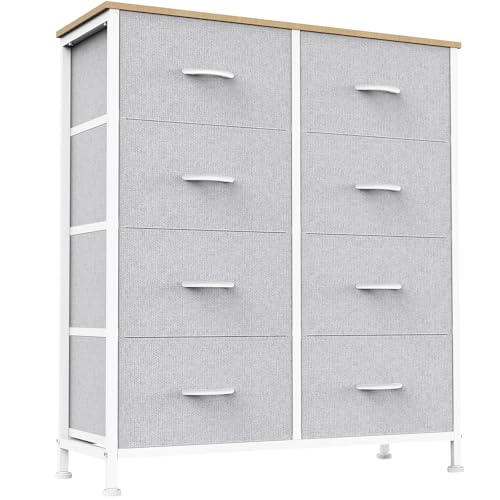
Grey Dressers for Sale: Your Complete Buying Guide
Grey dressers have become one of the most sought-after bedroom furniture pieces for good reason. They blend seamlessly with nearly every decor style, hide everyday wear gracefully, and bring a calm, sophisticated presence to any room. This guide walks you through everything you need to know before choosing your ideal grey dresser.
Explore Top PicksWhy grey? Whether you're furnishing a master bedroom, a guest room, or a nursery, a grey dresser delivers remarkable versatility. From soft dove tones that brighten compact spaces to deep charcoal finishes that anchor larger rooms, the grey spectrum offers a shade for every design vision. This page covers styles, materials, sizing, and practical considerations so you can shop with confidence.
Why Choose a Grey Dresser?
Grey has earned its place as a modern neutral because it works harder than almost any other finish. Unlike stark white, which shows every smudge, or deep black, which highlights dust, a well-chosen grey dresser maintains a clean appearance with minimal upkeep. The tone also acts as a flexible bridge between warm wood floors and cool-toned walls, making it a reliable choice for rooms with mixed materials.
Beyond practicality, grey dressers fit naturally into several of the most popular interior styles. A soft grey grey oak dresser suits Scandinavian and coastal schemes, while a matte charcoal piece with angular hardware fits industrial and modern aesthetics. For those who prefer a touch of glamour, a grey and gold dresser pairs the neutral base with warm metallic accents for a refined look.
If you are still weighing broader furniture decisions, our how to choose a dresser guide provides a helpful framework for evaluating storage needs alongside aesthetic preferences.
Popular Grey Dresser Styles
The style you select should complement your existing bedroom furniture and the architectural character of your home. Here are the grey dresser styles that consistently perform well in both design and function:
Modern & Minimalist
Clean lines, flat drawer fronts, and integrated handles define this style. A high-gloss dresser in light grey reflects light and suits contemporary spaces.
Farmhouse & Rustic
Weathered grey finishes, beadboard detailing, and cup pulls create a relaxed, lived-in feel. These pieces often feature solid wood construction and distressed edges.
Mid-Century Modern
Tapered legs, splayed profiles, and a grey walnut or oak veneer give a retro silhouette a fresh update. These pair well with both vintage and new decor.
Glam & Transitional
A grey dresser with diamond knobs or metallic accents adds a polished touch. Mirrored tops and gold or brass hardware elevate the piece.
For those seeking a more classic bedroom arrangement, a grey dresser with mirror combines storage with a functional vanity area. If you prefer a cohesive set, explore a grey dresser and nightstand set or a grey nightstand and dresser set for a coordinated look.
Grey Dresser Size and Configuration Options
Size is where many buyers struggle. A dresser that is too large crowds the room and blocks traffic flow; one that is too small leaves you short on storage. The table below outlines the most common configurations and their best use cases.
| Configuration | Typical Width | Best For | Storage Profile |
|---|---|---|---|
| 6-drawer dresser | 58–72 inches | Master bedrooms, couples | High capacity; wide drawers hold folded clothing and linens |
| Chest dresser | 30–40 inches | Small bedrooms, guest rooms | Tall vertical storage; compact floor footprint |
| Wood dresser (standard) | 50–64 inches | General bedroom use | Balanced proportions; suits most wall lengths |
| Changing table dresser | 36–44 inches | Nursery, baby room | Dual-purpose; top surface for changing pad, drawers below |
When planning placement, measure the wall where the dresser will sit and subtract at least 24 inches of clearance in front. If you have a narrow room, a tall chest is often the smarter choice because it uses vertical space while preserving floor area. For rooms with generous wall space, a wide six-drawer dresser offers the most efficient storage per inch of height.
Materials and Finish Quality
The material of a grey dresser determines not only its appearance but also how well it withstands daily use. Grey finishes are applied in several ways, each with distinct advantages:
Solid Wood with Grey Finish
Solid oak, maple, or pine with a factory-applied grey stain or paint represents the most durable option. These pieces can be sanded and refinished if the surface becomes worn, extending their usable life considerably. A high-quality solid wood dresser is a long-term investment that holds up well to heavy use.
Engineered Wood with Veneer or Laminate
Engineered wood with a grey veneer or laminate offers a stable, consistent surface that resists warping. Mid-range models in this category often provide the best balance of appearance and durability, with smooth drawer glides and reinforced joinery. The finish is uniform and easy to wipe clean.
Painted and Lacquered Finishes
A grey lacquer finish delivers the smoothest, most reflective surface and is especially popular in modern and glam styles. High-gloss grey lacquer dressers are striking focal points, though they require gentle cleaning to avoid dulling the surface. Matte painted finishes offer a softer look and hide minor scratches more effectively.
Hardware Considerations
The hardware you pair with a grey dresser can shift its entire character. A grey dresser with gold handles leans glamorous, while matte black pulls read industrial. If you plan to customize, explore our guide to handles for dresser drawers to understand sizing and style compatibility before purchasing.
How to Evaluate Quality Before You Buy
Grey finishes can mask lower-quality materials, so it pays to look beyond the surface. Use the following checklist when comparing options:
- Drawer glides: Metal ball-bearing slides with full extension are the most durable. Look for smooth, quiet operation and a firm stop at full extension.
- Joinery: Dovetail joints at drawer corners signal higher craftsmanship than stapled or glued construction.
- Drawer bottoms: A sturdy drawer bottom supported by a center rail resists sagging under heavier loads.
- Finish consistency: Check that the grey tone is even across all visible surfaces, including the sides and interior drawer fronts.
- Stability: A well-built dresser should not wobble when you press on a corner. Adjustable leveling feet are a plus on uneven floors.
- Safety features: Wall-anchoring hardware is essential, particularly for tall chests and nursery dressers.
Our high-end dressers overview explains how premium construction differs from mid-tier and entry-level pieces, which can help you set realistic expectations for each category.
Grey Dressers by Room
The ideal grey dresser depends heavily on where it will live. Here is how the choice shifts by room:
Master Bedroom
In a primary bedroom, prioritize storage capacity and a cohesive look. A wide grey dresser with six or more drawers handles clothing, linens, and accessories. Pair it with a matching nightstand for a unified arrangement, or mix a grey dresser with wood-toned bedside tables for a layered, collected feel.
Guest Room
Guest rooms benefit from a compact grey chest dresser that provides empty drawers for visitors without overwhelming the space. Our guest bedroom storage ideas and guest room furniture guides offer further planning help.
Nursery
A grey changing table with drawers is a practical choice for a nursery because it consolidates diapering supplies and clothing storage in one footprint. Choose a model with a safety strap and secure wall anchoring.
Small Spaces and Apartments
Lighter grey tones and vertical configurations work best in compact rooms. A tall, narrow grey chest takes advantage of ceiling height, while a high-gloss finish bounces light around the room. Avoid overly wide pieces that restrict walking space.
Coordinating Your Grey Dresser with the Rest of the Room
A grey dresser is rarely the only furniture piece in the room, so consider how it relates to the bed, nightstands, and any seating. Grey pairs naturally with warm wood tones, white bedding, and soft textiles like linen and wool. For a cohesive bedroom, many buyers choose a furniture set that includes a headboard, dresser, and nightstand. You can browse options such as a grey dresser and nightstand set or a broader headboard, dresser, and nightstand set.
If you already own a bed frame and only need the storage piece, a standalone grey dresser or gray dresser can be integrated without disrupting the existing scheme. For a warmer, wood-forward look, a grey wood dresser bridges the gap between painted finishes and natural timber.
Caring for a Grey Dresser
Grey finishes are generally forgiving, but a little routine care keeps them looking fresh:
- Dust weekly with a soft, dry microfiber cloth to prevent buildup in drawer seams.
- Wipe spills promptly with a slightly damp cloth, then dry immediately to avoid water marks.
- Avoid abrasive cleaners, which can dull matte finishes or leave streaks on gloss surfaces.
- Use felt pads under decorative items on the dresser top to prevent scratches.
- Keep the dresser out of direct sunlight to minimize fading over time.
- If you notice a musty odor in the drawers, our guide on how to remove musty smell from dresser drawers walks through the solution.
Frequently Asked Questions About Grey Dressers
Grey dressers offer exceptional versatility, pairing effortlessly with nearly any bedroom color palette. They hide dust and fingerprints better than white or black finishes, and the wide range of grey tones—from light dove to deep charcoal—means you can match modern, farmhouse, industrial, and transitional decor styles.
Measure your available wall space and leave at least 24 inches of clearance in front of the dresser for comfortable drawer access. A standard wide dresser measures 60 to 72 inches across, while a tall chest takes up less floor space but offers similar storage volume. Consider your room's traffic flow and ceiling height before deciding between a horizontal dresser and a vertical chest.
Solid wood dressers in oak, maple, or pine with a grey finish represent the most durable option and can be refinished over time. Engineered wood with a grey laminate or veneer offers a stable, consistent surface at a mid-range tier. For a painted look, a solid wood frame with a factory-applied grey lacquer provides the smoothest finish and best resistance to chipping.
Absolutely. Lighter grey tones like dove and fog visually open up compact spaces, while mirrored or high-gloss finishes reflect light. A tall, narrow grey chest maximizes vertical storage without consuming floor area, making it ideal for small bedrooms, guest rooms, and apartments.
Grey acts as a neutral bridge, so it pairs well with both warm and cool wood tones. To prevent visual clutter, repeat the grey in at least one other element in the room, such as a lamp base, picture frame, or throw. If your bed is a warm walnut, choose a grey dresser with a subtle warm undertone rather than a cool blue-grey.