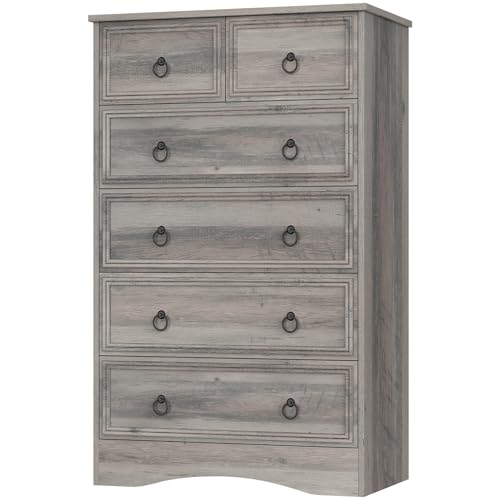
Grey Chest Dresser: Complete Buying Guide & Style Ideas
A grey chest dresser blends calm, neutral tone with vertical storage efficiency. This guide walks you through finishes, drawer configurations, materials, and styling so you can choose a piece that fits your bedroom and your daily routine.
Explore the GuideWhy a grey chest dresser? Grey sits comfortably between warm wood tones and stark white finishes, making it one of the most adaptable colours in bedroom furniture. A chest format adds vertical storage without eating up floor space, which makes it a practical choice for compact bedrooms, guest rooms, and shared spaces. Below, we break down everything you need to know before you commit to a piece.
What Defines a Grey Chest Dresser
The term "chest dresser" is used loosely in retail, but it generally describes a storage piece that is taller than it is wide, with drawers stacked vertically. A grey chest dresser applies that same vertical format to a grey finish. Compared with a wide, low dresser, a chest concentrates storage in a smaller footprint, which is why it is often recommended for narrow bedrooms, apartments, and guest rooms.
If you are still comparing formats, our breakdown of dresser vs chest of drawers explains the practical differences in height, surface area, and storage depth. For a broader look at the chest category itself, the chest of drawers hub covers styles and room-by-room use cases.
Chest vs Wide Dresser at a Glance
| Feature | Grey Chest Dresser | Wide Grey Dresser | Best For |
|---|---|---|---|
| Shape | Tall and narrow | Low and wide | Small rooms vs. large walls |
| Surface Area | Compact top | Generous top | Display vs. storage focus |
| Storage Depth | More drawers, shallower each | Fewer, deeper drawers | Folded clothes vs. bulky items |
| Floor Footprint | Minimal | Larger | Apartments and guest rooms |
| Visual Weight | Vertical, space-saving | Horizontal, anchoring | Room proportions |
If you prefer the wider format, browse the grey dresser collection for lower, broader options. If a mirror is part of your plan, the grey dresser with mirror guide covers pairing options and proportion rules.
Grey Finishes and Undertones
Grey is not a single colour. A grey chest dresser can read cool and modern, warm and farmhouse-friendly, or deep and moody depending on its undertone and finish sheen. Before you choose, hold a sample against your wall colour and bedding in natural daylight, because grey shifts noticeably under warm artificial light.
Common Grey Undertones
- Cool grey: leans blue or silver; pairs well with white bedding and chrome or nickel hardware.
- Warm grey (greige): blends beige and grey; suits wood floors and brass or bronze hardware.
- Charcoal grey: deep and dramatic; works as an anchor piece in lighter rooms.
- Light dove grey: soft and airy; ideal for small bedrooms and nursery-adjacent spaces.
If you want to lean into contrast, the grey and gold dresser style pairs warm metallic hardware with cool grey cabinetry. For a softer metallic accent, the grey dresser with gold handles guide shows how hardware swaps change the entire mood of a piece.
Paint vs. Wood Grain vs. Gloss
Painted grey finishes are uniform and easy to touch up. Grey-stained wood, such as a grey oak dresser or a grey wood dresser, shows natural grain and hides minor scuffs better than flat paint. High-gloss grey is the most reflective and the most demanding to maintain; it shows fingerprints quickly and is best reserved for low-traffic rooms.
Drawer Configurations
Drawer count determines how you organise the chest, not just how much it holds. A grey chest dresser typically ships in four, five, or six drawer configurations, with some taller models reaching nine drawers.
Matching Drawer Count to Use
- Four drawers: deeper drawers suit folded sweaters, jeans, and bulky items. A good choice for guest rooms and shared bedrooms.
- Five drawers: the most common chest configuration; balances depth and count for a single adult.
- Six drawers: adds a dedicated top drawer for accessories. The grey 6 drawer dresser guide covers layout options in detail.
- Nine drawers: maximum vertical storage for small rooms; often paired with a compact footprint.
Consider drawer depth as carefully as drawer count. Shallow top drawers are ideal for socks and accessories, while deep lower drawers handle bedding and off-season clothing. If you need a taller piece, compare the high dresser format and the highboy dresser style for additional vertical options.
Drawer Glide Tip
Full-extension glides let you reach the back of every drawer, which matters more on a narrow chest than on a wide dresser. If you plan to store heavy items, look for reinforced drawer boxes and metal side runners rather than stapled wood guides.
Materials and Construction Tiers
Rather than comparing pieces by numbers, it helps to sort grey chest dressers into quality tiers. The tier reflects construction method, material grade, and hardware quality. Use the table below as a reference point when you compare options in stores or online.
| Tier | Typical Construction | Best For |
|---|---|---|
| Entry-level | Engineered wood panels, stapled or cam-lock assembly, basic metal glides | Guest rooms, dorms, short-term setups |
| Mid-range | Engineered wood with veneer, reinforced corners, side-mounted ball-bearing glides | Primary bedrooms used daily |
| Premium | Solid wood frame, dovetail drawer joints, full-extension soft-close glides | Long-term daily use, family homes |
| Luxury | Kiln-dried hardwood, hand-finished joints, premium hardware, hand-applied finish | Statement pieces and heirloom use |
For a deeper comparison of frame materials, see solid wood vs engineered. If you are leaning toward a solid build, the high-quality solid wood dresser guide explains what to check at the joints and drawer boxes.
Hardware and Finishing Details
Hardware is the easiest part of a grey chest dresser to update later. Diamond-pattern knobs are a popular accent; the grey dresser with diamond knobs guide shows how the pattern reads against different grey tones. If you plan a hardware swap, review the handles for dresser drawers reference for spacing and screw compatibility.
Key Buying Factors
Before ordering, confirm these practical details. They matter more than marketing language and are the most common source of returns.
Measure the Space, Not the Wall
Measure the full floor footprint, including door swing clearance and the space needed to open the top drawer fully. A chest dresser is tall, so also check ceiling height and whether a mirror or wall art will sit above it. Leave at least a few inches of breathing room on each side so the piece does not feel wedged in.
Check Stability and Safety
Tall chests should include an anti-tip strap or wall-anchoring kit. This is especially important in homes with children or pets. Confirm the kit is included before purchase, and anchor the piece to a stud where possible.
Confirm Assembly and Delivery
Some grey chest dressers ship fully assembled, while others arrive flat-packed. Flat-packed models are easier to move through narrow stairwells but require more assembly time. If you are comparing a chest against a wider piece, the how to choose a dresser guide covers room-by-room sizing in more depth.
Quick checklist: measure footprint and drawer clearance, confirm anti-tip hardware, verify glide type, check drawer box material, and confirm whether assembly is required. These five points separate a smooth purchase from a frustrating one.
Styling a Grey Chest Dresser
Grey is a flexible backdrop, which makes a grey chest dresser easy to style without repainting the room. The key is to choose one accent direction and repeat it across the top surface, bedding, and hardware.
Three Styling Directions
- Warm contrast: pair cool grey with brass hardware, warm wood accents, and cream textiles. This softens the grey and works well in traditional rooms.
- Monochrome calm: keep the palette to grey, white, and charcoal; add texture through woven baskets and linen rather than colour.
- Modern contrast: pair charcoal grey with black metal accents and white bedding for a crisp, contemporary look.
For layout ideas, the dresser top decor guide covers proportion and layering. If you want the piece to double as a display surface, the dresser styling tips collection offers practical arrangements that do not clutter the top.
Pairing With a Nightstand
A matching set creates a cohesive bedroom, especially in smaller rooms where visual clutter is more noticeable. The grey dresser and nightstand set guide covers matching finishes, and the grey nightstand and dresser set page compares coordinated layouts for primary and guest bedrooms.
For a softer, lighter palette, browse the grey dresser with mirror ideas or the grey dressers for sale collection to compare finish options side by side.
Care and Maintenance
Grey finishes are generally forgiving, but a few habits keep the surface looking consistent over time.
- Dust with a soft microfibre cloth rather than a paper towel to avoid micro-scratches on painted surfaces.
- Wipe spills promptly with a slightly damp cloth, then dry immediately; standing moisture can dull painted and veneered finishes.
- Avoid placing hot items directly on the top surface; use a tray or mat to protect the finish.
- Check drawer glides annually and tighten screws; loose glides are the most common cause of drawer sag over time.
- Keep the chest out of direct sunlight to slow colour shift, especially on painted grey finishes.
If you are refreshing an existing piece rather than buying new, the how to paint a dresser guide covers surface prep and finish selection, and the how to clean a dresser page explains safe cleaning agents for painted and veneered surfaces.
Frequently Asked Questions
What is the difference between a grey chest dresser and a standard grey dresser?
A grey chest dresser typically refers to a taller, narrower piece with drawers stacked vertically, while a standard dresser is usually wider and lower. The chest format works well in compact bedrooms, while the wider dresser provides a larger surface area for display and styling.
Which grey finish is easiest to maintain?
Mid-tone grey finishes with a satin or matte topcoat tend to hide dust and fingerprints better than very light or very dark greys. Painted finishes are generally simpler to touch up than stained wood, while textured wood grain naturally conceals minor marks.
How many drawers should a grey chest dresser have?
A four to six drawer configuration suits most bedrooms, balancing storage capacity with a manageable footprint. Taller five or six drawer chests are ideal for small rooms because they use vertical space, while four drawer models offer deeper drawers for bulkier items.
What materials are best for a grey chest dresser?
Solid wood and high-grade engineered wood with a durable veneer offer the best balance of stability and finish quality. Solid wood frames with dovetail joints represent the top-tier construction, while engineered wood with reinforced hardware is a solid mid-range choice for everyday use.
Can a grey chest dresser work in a small bedroom?
Yes. The tall, narrow format is one of the most space-efficient storage options for small bedrooms because it uses vertical space instead of floor area. Measure drawer clearance carefully and anchor the piece to the wall for safety.