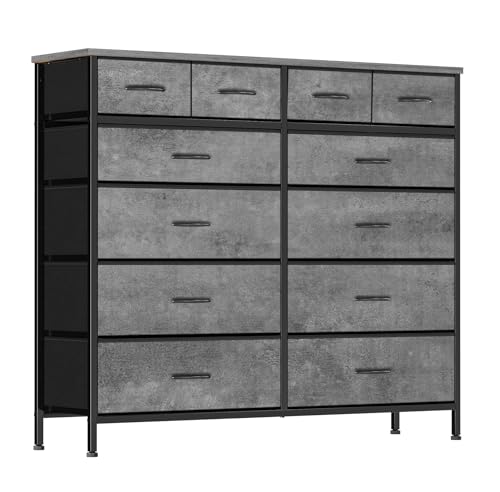
Gray Dressers for Sale: The Complete Buying Guide
Neutral, versatile, and effortlessly elegant — a gray dresser can anchor any bedroom. Learn how to choose the right style, size, and construction before you buy.
Explore Gray Dresser OptionsWhy gray dressers remain a top choice: Gray sits comfortably between warm and cool palettes, which makes it one of the most forgiving finishes in bedroom furniture. Whether your room leans modern, farmhouse, transitional, or Scandinavian, a well-chosen gray dresser blends in without disappearing. This guide walks you through the decisions that matter most so you can buy with confidence.
Why Choose a Gray Dresser?
Gray has become a default neutral in interior design for good reason. It works with white walls, warm wood floors, and bold accent colors alike. A grey dresser can serve as a quiet backdrop or a subtle statement depending on its finish — matte, high-gloss, distressed, or wood-grain. Unlike stark white, gray hides minor scuffs and dust better, which matters in daily-use furniture. And unlike dark espresso tones, light and mid-gray finishes keep a room feeling open, even in smaller bedrooms.
From a styling standpoint, gray pairs naturally with metallic hardware. Brushed nickel, matte black, and warm brass all read well against a gray body. If you want a more curated look, explore grey dressers with gold handles or the softer contrast of grey dressers with diamond knobs. These details are often the difference between a piece that feels generic and one that feels intentional.
Gray Dresser Styles to Consider
The finish is only half the story. Silhouette, drawer count, and material determine how a dresser functions in your room. Below are the most common directions buyers explore when shopping for gray dressers for sale.
Modern & Minimalist
Clean lines, handleless fronts or slim pulls, and matte gray finishes. These suit contemporary bedrooms and pair well with platform beds and neutral textiles.
Farmhouse & Rustic
Distressed gray wood, raised panel details, and warm hardware. Ideal for rooms with shiplap, natural fiber rugs, and relaxed, layered styling.
Transitional
Softened edges, framed drawer fronts, and mid-tone gray with subtle sheen. A safe choice that bridges traditional and modern interiors.
Mid-Century Inspired
Tapered legs, horizontal proportions, and walnut-toned gray finishes. Works well in smaller rooms where visual lightness matters.
High-Gloss Contemporary
Reflective gray lacquer finishes that brighten a room and add a polished, hotel-like feel. Best in modern or glam-leaning spaces.
Tall Chest & Highboy
Vertical storage for narrow walls. A gray highboy or tall chest maximizes drawer capacity without demanding wide floor space.
If you are weighing a horizontal dresser against a taller chest, the decision usually comes down to wall space and drawer depth. A wide grey 6-drawer dresser offers generous surface area for display and is easy to organize by category, while a grey chest dresser concentrates storage vertically and suits tighter footprints. For rooms that need a focal point, a gray dresser with mirror combines storage and grooming function in one footprint.
Comparing Gray Dressers by Build Tier
Instead of focusing on numeric figures, it helps to understand where a dresser sits relative to the market. The table below uses universal tier descriptors so you can calibrate expectations regardless of where you shop.
| Build Tier | Typical Construction | Drawer Glides | Best For |
|---|---|---|---|
| Entry-Level | Engineered wood with gray laminate or veneer; stapled or cam-lock joinery | Basic side-mounted roller glides | Guest rooms, rentals, first apartments, low-traffic spaces |
| Mid-Range | Engineered core with thicker gray veneer; some solid wood components; glued and doweled joints | Smooth ball-bearing side glides or entry-level undermount | Primary bedrooms, daily-use family furniture |
| Premium | Solid wood frames and drawer boxes; dovetail joinery; hand-finished gray stains or paints | Soft-close undermount glides | Long-term primary bedroom use, style-conscious buyers |
| Luxury | Kiln-dried hardwood, full dovetail drawers, hand-rubbed gray finishes, premium hardware | Heavy-duty soft-close undermount with full extension | Design-led interiors, heirloom-quality purchases |
A mid-range model typically offers noticeably smoother drawer action and tighter joinery than an entry-level piece, while premium and luxury tiers add refinishing potential and heavier-duty hardware. If you expect to keep the dresser for a decade or more, the higher tiers are the more efficient choice in the long run. Buyers who want a specific gray tone — from warm greige to cool slate — often find the widest selection at the premium level, where finishes are hand-applied rather than printed.
Sizing and Placement: Getting the Fit Right
A gray dresser that fits poorly will never feel right, no matter how good the finish looks. Before you commit, measure the wall width, the depth of the room, and the swing path of doors and closet openings.
- Wall width: Leave at least 4–6 inches on each side of the dresser so it does not feel wedged against walls or trim.
- Walking clearance: Allow roughly 24 inches of open floor in front of the dresser for comfortable drawer access.
- Drawer pull-out depth: Account for the full extension of drawers — especially on deep models — so the dresser does not block a doorway.
- Anchor to the wall: Tall gray chests and highboys should always be secured with an anti-tip strap, particularly in homes with children.
- Scale to the bed: A dresser that is too short next to a king bed can look undersized; match visual weight to the room.
For narrow rooms, a grey wood dresser with a lighter finish and tapered legs can make the space feel less cramped than a bulky painted piece. If your room leans toward darker floors and cooler light, a grey oak dresser brings texture without adding visual heaviness. And if you are furnishing a guest space, our guest bedroom storage ideas can help you decide between a dresser, a storage bed, or a combination.
Materials and Finishes: What to Look For
Gray is a finish, not a material. The underlying construction determines how the dresser ages. Solid wood frames and drawer boxes resist warping and can be sanded and refinished if the surface dulls. Engineered wood with a gray veneer is dimensionally stable and often lighter, but it cannot be sanded aggressively. Inspect drawer bottoms for flex, check that glides are rated for the drawer size, and look for corner blocks or dowels that reinforce the frame.
On finish quality, a hand-rubbed or spray-applied gray stain tends to show wood grain more naturally than a printed laminate. Painted gray finishes can chip at drawer edges over time; a factory-applied catalyzed finish is more resistant than a basic paint coat. Hardware is also a useful signal — solid metal pulls and knobs hold up better than plated plastic, and they are easy to upgrade later if you want a different look.
Ready to Compare Gray Dresser Options?
Browse a curated selection of gray dressers and storage pieces, filtered by style, drawer count, and build tier.
View Gray Dresser RecommendationsGray Dressers by Room
The same gray dresser can serve very different roles depending on where it lives. In a primary bedroom, it is often the main clothing storage and a surface for decor. In a guest room, it may hold spare linens and seasonal items. In a nursery, safety and soft-close drawers matter more than surface area.
For paired furniture, a grey dresser and nightstand set creates visual consistency without the effort of matching finishes separately. If you prefer a more layered look, a standalone dresser paired with a complementary nightstand often feels more collected. In shared or multipurpose rooms, a grey nightstand and dresser set can simplify the layout. And if you are planning a full bedroom refresh, the broader guest room furniture guide covers storage, seating, and lighting considerations that pair with a new dresser.
Final Buying Checklist
- Confirm the gray tone in person or via multiple photos — warm greige versus cool slate reads very differently in natural light.
- Check that drawer glides are rated for the intended load and open smoothly through the full range.
- Verify the dresser includes an anti-tip kit, or plan to purchase one.
- Measure doorways and stairwells before ordering a large or tall piece.
- Decide whether you want a matching set or a standalone piece before comparing options.
- Review the return policy and assembly requirements for flat-pack models.
- Consider future refinishing — solid wood offers more flexibility than laminate if your style evolves.
Frequently Asked Questions
What makes gray dressers a versatile choice for bedrooms?
Gray is a neutral tone that works across modern, transitional, farmhouse, and Scandinavian interiors. It pairs easily with both warm and cool color palettes, making it one of the most adaptable finishes for bedroom furniture.
How do I choose the right size gray dresser for my space?
Measure the available wall width and leave at least two feet of clearance for walking and drawer pull-out. Consider a horizontal dresser for wide walls, a tall chest for narrow spaces, and confirm drawer depth meets your storage needs.
Are gray dressers available in solid wood or engineered materials?
Both options exist. Solid wood gray dressers offer long-term durability and refinishing potential, while engineered wood with a gray veneer or laminate provides a consistent look and is often lighter. Check joinery and drawer glide quality to judge overall build.
Should I anchor a gray dresser to the wall?
Yes. Any dresser taller than about 30 inches, and especially tall chests, should be secured with an anti-tip strap. This is a standard safety practice in homes with children or pets.
Can I mix a gray dresser with other wood tones in the bedroom?
Absolutely. Gray is one of the easiest finishes to mix. Pair it with warm walnut, natural oak, or black accents for contrast. The key is to repeat the secondary tone elsewhere in the room so the mix feels intentional.