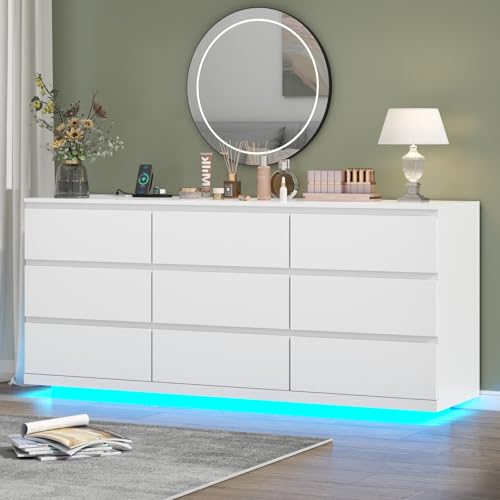
Floating Dresser: The Complete Guide to Wall-Mounted Drawer Storage
A floating dresser combines smart storage with a clean, modern look. Mounted directly to the wall, it frees up floor space, makes small rooms feel larger, and turns an ordinary bedroom into a designer-inspired retreat. This guide covers everything you need to know before choosing one.
What Is a Floating Dresser?
A floating dresser is a drawer unit that is mounted directly to the wall rather than resting on legs or a base. With no visible support touching the floor, the dresser appears to "float" above the ground. This design creates an airy, uncluttered look and is especially popular in modern, minimalist, and Scandinavian interiors. Unlike a traditional farmhouse dresser that anchors the floor, a floating design draws the eye upward and makes the room feel more spacious.
Floating dressers are sometimes called wall-hung dressers, wall-mounted chests of drawers, or floating drawer units. They come in a wide range of sizes, from compact two-drawer units ideal for entryways to full-width six-drawer designs for master bedrooms. Many models pair beautifully with a floating nightstand with drawer and shelf to create a cohesive, space-saving bedroom set.
Editor's Tip: A floating dresser is not the same as a dresser with a recessed base. True floating dressers have no floor contact at all. When shopping, check the product specifications to confirm the unit is designed for wall mounting and includes appropriate hardware.
Key Benefits of Wall-Mounted Dressers
Floating dressers offer distinct advantages over traditional floor-standing furniture. Here are the most important benefits to consider:
Space-Saving Design
By eliminating floor contact, a floating dresser frees up valuable floor space. This is a game-changer for small bedrooms, apartments, and dorm rooms where every square foot matters.
Cleaner Visual Lines
Without legs or a base, the floor beneath the dresser remains visible, creating an open, airy aesthetic that makes rooms feel larger and less cluttered.
Easier Cleaning
Vacuuming and mopping under a floating dresser is effortless. No more moving heavy furniture to clean behind and underneath.
Modern Aesthetic
Floating furniture is a hallmark of contemporary interior design. It adds a sleek, architectural quality that elevates any bedroom or living space.
Flexible Placement
Wall-mounted dressers can be positioned at any comfortable height and are ideal for rooms with uneven floors or baseboard heating.
Pairs Well with Floating Furniture
Combine with a floating nightstand or wall-mounted shelves for a unified, space-efficient bedroom layout that feels intentional and polished.
Floating Dresser vs Traditional Dresser
Understanding the differences between floating and traditional dressers helps you make an informed decision. The table below compares them across key categories:
| Feature | Floating Dresser | Traditional Dresser |
|---|---|---|
| Floor Contact | None — mounted to wall | Rests on legs or base |
| Space Efficiency | High — frees floor area | Moderate — occupies floor footprint |
| Installation | Requires wall studs and mounting hardware | Place and use immediately |
| Mobility | Fixed — not easily moved | Easy to reposition |
| Best For | Small rooms, modern interiors, apartments | Large rooms, renters, traditional decor |
| Cleaning Access | Excellent — floor is clear underneath | Limited — requires moving furniture |
| Weight Capacity | Depends on wall anchoring quality | Generally higher, floor-supported |
If you are comparing storage options more broadly, our guide on dresser vs chest of drawers explains how drawer configuration affects usability. For those who prefer a classic look, a French provincial dresser offers ornate detailing and generous storage, while a floating dresser suits a more contemporary vision.
Popular Floating Dresser Styles
Floating dressers come in a variety of design styles to match different interior aesthetics. Here are the most common options:
Modern and Minimalist
Clean lines, handleless drawers, and matte finishes define the modern floating dresser. These designs often feature push-to-open mechanisms and integrated lighting. A fluted wood dresser adds subtle texture while maintaining a sleek profile, making it an excellent choice for contemporary bedrooms.
Mid-Century Modern
Warm wood tones, tapered edges, and minimalist hardware characterize mid-century floating dressers. These pieces pair well with floating nightstands for a cohesive, retro-inspired bedroom set.
Scandinavian
Light woods, white finishes, and functional simplicity are hallmarks of Scandinavian design. A floating dresser in this style often features clean, flat fronts and subtle grain patterns that add warmth without visual weight.
Industrial and Contemporary
Metal frames, concrete finishes, and exposed hardware give industrial floating dressers a bold, architectural look. These pieces work well in loft apartments and modern urban spaces.
Glam and Luxury
High-gloss finishes, metallic accents, and mirrored surfaces define glam floating dressers. A glam dresser in a floating configuration adds instant sophistication to a master suite or dressing area.
Materials and Construction Quality
Because a floating dresser bears weight through its wall mounting, construction quality is especially important. The materials used affect durability, appearance, and long-term performance.
Solid Wood
Solid wood floating dressers offer the highest level of durability and a premium feel. Hardwoods such as oak, walnut, and maple resist warping and hold screws securely — a critical factor for wall-mounted furniture. A solid wood dresser in a floating design is a long-term investment that ages beautifully.
Engineered Wood
MDF and particleboard with high-quality veneers are common in mid-range floating dressers. These materials are stable and uniform, but the mounting points must be reinforced. Look for units with metal bracket inserts or solid wood blocking at attachment points.
Metal and Mixed Materials
Metal frames provide excellent structural integrity for floating dressers. Some designs combine a metal outer frame with wood or glass drawers, offering a modern industrial look with reliable weight distribution.
Quality Check: When evaluating a floating dresser, inspect the drawer slides, the mounting rail, and the joinery. Dovetail joints and full-extension ball-bearing slides are markers of high-end tier construction. Entry-level units often use stapled joints and basic euro slides.
Installation and Safety Essentials
Proper installation is the single most important factor for a safe and functional floating dresser. Unlike a floor-standing piece, a floating dresser relies entirely on its wall connection to support its weight and contents.
Wall Anchoring
Floating dressers must be anchored to wall studs, not just drywall. The mounting system — typically a French cleat or heavy-duty steel bracket — distributes the load across multiple studs. For masonry walls, appropriate anchors and a professional assessment are recommended.
Weight Considerations
A fully loaded dresser can weigh significantly more than the empty unit. Always check the manufacturer's weight rating and ensure the wall structure can support the combined weight of the dresser and its contents. This is especially important for larger units like an extra wide dresser or a extra large dresser.
Anti-Tip Safety
Even though floating dressers are wall-mounted, anti-tip hardware provides an additional layer of safety. Ensure the unit is securely fastened and that drawers do not pull out beyond their stops when fully loaded.
Professional vs DIY Installation
While some homeowners successfully install floating dressers themselves, professional installation is recommended for heavy units or when wall structure is uncertain. The cost of professional installation is a worthwhile investment in safety and peace of mind.
- Locate and mark wall studs before drilling
- Use hardware rated for the dresser's loaded weight
- Level the dresser during installation for smooth drawer operation
- Check and tighten mounting bolts after the first week of use
- Inspect anchors annually and after any seismic activity
Organizing Your Floating Dresser
A floating dresser offers the same storage capacity as a traditional dresser of similar dimensions, but its wall-mounted design encourages a more intentional approach to organization. Use these strategies to make the most of every drawer:
Drawer Zoning
Assign specific categories to each drawer: undergarments in the top drawer, folded tops in the middle, and bulkier items in lower drawers. This zoning keeps your routine efficient and prevents clutter from accumulating.
Drawer Dividers and Inserts
Floating dressers often have shallower drawers than their floor-standing counterparts. Adjustable dividers and fabric inserts maximize usable space and keep small items organized. This is especially helpful in compact units.
Seasonal Rotation
Store off-season clothing elsewhere and reserve your floating dresser for current wardrobe essentials. This reduces drawer weight — a key consideration for wall-mounted furniture — and keeps your daily routine streamlined.
For a deeper dive into drawer organization, including folding techniques and space-maximizing layouts, see our dresser organization guide.
How to Choose the Right Floating Dresser
Selecting a floating dresser involves balancing size, style, construction quality, and installation requirements. Use this framework to narrow your options:
Measure Your Space
Measure the available wall width and height, and consider doorways, windows, and adjacent furniture. Remember that a floating dresser can be positioned at a comfortable height, so consider both width and vertical placement.
Determine Drawer Count
Three to four drawers suit individual use or smaller rooms, while five to six drawers accommodate couples or larger wardrobes. For extensive storage needs, an extra large 12 drawer dresser or a extra deep drawer chest of drawers may be a better fit, though these are typically floor-standing designs.
Assess Construction Quality
Prioritize solid wood or reinforced engineered wood with high-quality drawer slides. Check the mounting system: a robust steel French cleat is preferable to basic brackets. Read reviews that mention installation ease and long-term stability.
Match Your Interior Style
Choose a finish and silhouette that complements your existing decor. A fluted chest of drawers adds texture to a minimalist room, while a glass dresser creates a light, contemporary feel.
Confirm What's Included
Some floating dressers include mounting hardware; others require separate purchase. Verify that the package includes the wall bracket, screws, and anti-tip hardware before ordering.
Placement Ideas by Room
Floating dressers are versatile and work in many rooms beyond the bedroom. Here are some placement ideas:
Bedroom
Mount a floating dresser opposite the bed or beside a closet for a clean, hotel-inspired look. Pair it with a floating nightstand with drawer and shelf to maintain visual continuity and free up floor space on both sides of the bed.
Entryway
A compact floating dresser in the entryway provides hidden storage for keys, mail, and accessories while keeping the floor clear for foot traffic. Consider an entryway dresser with a shallow depth for narrow hallways.
Living Room
Use a floating dresser as a media console or sideboard. Its wall-mounted design keeps the room feeling open and makes cleaning effortless. An entertainment dresser configuration can house media components and provide drawer storage.
Nursery
A floating dresser in a nursery saves floor space for play and keeps the room feeling airy. Ensure the unit is securely anchored and that drawers have safety stops. For more nursery-specific guidance, explore our nursery dresser ideas.
Closet or Dressing Room
A floating dresser inside a walk-in closet or dressing room maximizes floor space and provides a dedicated spot for folded clothing and accessories. This is an excellent option for smaller closets where a floor-standing unit would feel cramped.
Care and Maintenance Tips
Proper care extends the life of your floating dresser and ensures it remains safe and functional for years:
- Dust regularly with a soft, dry cloth to prevent buildup on finishes
- Clean spills promptly with a slightly damp cloth and dry immediately
- Avoid placing heavy items on top of the dresser that could stress the mounting
- Check mounting hardware every six months and tighten as needed
- Lubricate drawer slides annually with a silicone-based lubricant
- Keep the dresser away from direct sunlight to prevent finish fading
- Do not overload drawers beyond their rated capacity
Long-Term Care: For wood floating dressers, apply a furniture polish every few months to maintain the finish and protect against drying. For high-gloss and lacquer finishes, use a gentle cleaner designed for polished surfaces.
Frequently Asked Questions
What is a floating dresser?
How is a floating dresser installed?
Are floating dressers safe and sturdy?
Can a floating dresser hold as much as a traditional dresser?
What are the best rooms for a floating dresser?
Do floating dressers come with mounting hardware?
Ready to Elevate Your Bedroom Storage?
Explore our recommended floating dressers and wall-mounted storage solutions below. Each selection is evaluated for construction quality, installation ease, and design versatility so you can choose with confidence.
View Recommended Floating Dressers