Glass Dresser: Complete Buying Guide & Style Ideas
Everything you need to know about glass dressers — materials, styles, quality tiers, styling tips, and how to choose the right piece for your bedroom.
START EXPLORINGGlass Dresser Overview: A glass dresser brings a sleek, contemporary edge to bedroom storage. Whether you are drawn to a full mirrored glass facade or a subtle glass top dresser, understanding the construction, durability, and styling potential of glass furniture helps you make a confident, long-term choice for your space.
What Is a Glass Dresser?
A glass dresser is a storage piece that incorporates glass as a primary or accent material in its construction. This can mean a tempered glass top surface, mirrored glass drawer fronts, or a full glass-panel body supported by a metal or wood frame. Unlike traditional solid wood dressers, glass dressers rely on the interplay of transparency, reflection, and structure to create a modern aesthetic that feels open and airy.
Glass dressers are particularly popular in contemporary and minimalist bedroom designs because they visually expand small spaces and reflect natural light. The glass surfaces can be clear, frosted, tinted, or mirrored, each offering a different visual effect. While the body frame is typically constructed from high-grade steel, aluminum, or solid wood, the glass components are almost always tempered for safety and durability.
If you are comparing glass dressers to other storage styles, you may also want to explore a glass top dresser for a more subtle integration of glass into a traditional frame, or browse our glass dressers collection for a broader range of options. For a fully reflective look, consider a glossy white dresser with mirror as an alternative that captures similar light-enhancing qualities.
Why Choose a Glass Dresser?
Light Enhancement
Glass surfaces reflect and refract natural light, making bedrooms feel brighter and more spacious. This is especially valuable in rooms with limited windows or darker color palettes.
Modern Aesthetic
Glass dressers deliver a clean, contemporary look that pairs well with metal accents, neutral tones, and minimalist decor. They serve as a statement piece without overwhelming the room.
Visual Space
Transparent or mirrored glass reduces visual weight, helping compact bedrooms feel less cluttered. The reflective quality creates an illusion of depth that solid furniture cannot match.
Easy Maintenance
Glass surfaces are non-porous and easy to wipe clean. Dust and spills do not penetrate the surface, making glass dressers a practical choice for busy households.
Design Versatility
From full mirrored glam styles to industrial metal-and-glass frames, glass dressers adapt to a wide range of interior design themes, including modern, art deco, and contemporary.
Durable When Specified Correctly
Tempered glass is significantly stronger than standard glass and resists impact and thermal stress. When paired with a reinforced frame, a glass dresser can deliver years of reliable service.
Types of Glass Dressers
Glass dressers are not a single category. The way glass is used in the construction defines both the style and the practical characteristics of the piece. Here are the most common configurations you will encounter:
1. Glass Top Dresser
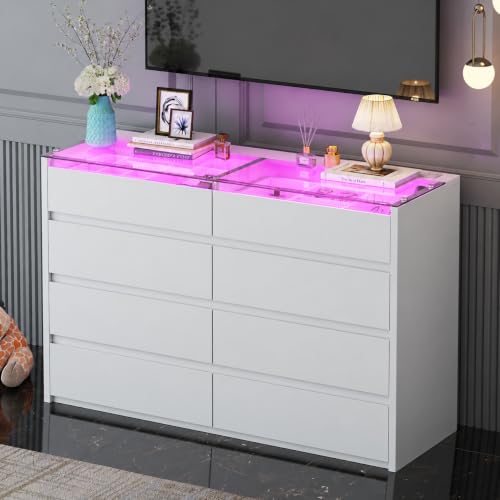
A glass top dresser uses a tempered glass panel as the top surface, often set into a wood or metal frame. This is the most restrained way to incorporate glass, preserving the warmth of a wooden body while adding a protective, easy-clean surface. The glass top protects the underlying finish from scratches and spills, making it a practical choice for a vanity or bedside surface. Explore our glass top dresser guide for more detail.
2. Mirrored Glass Dresser
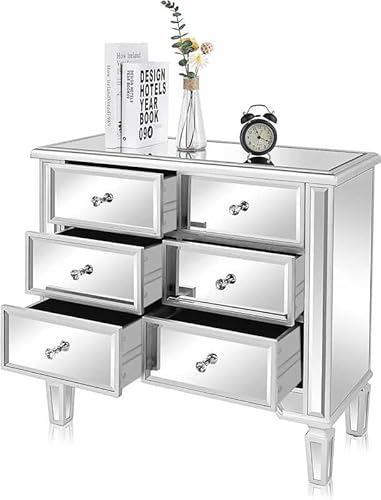
A mirrored dresser features glass panels with a reflective backing, typically on the drawer fronts or the entire body. This style amplifies light and creates a glamorous, high-impact look. Mirrored dressers are often associated with art deco and Hollywood regency interiors. They can be a focal point in a bedroom or a statement piece in a dressing area. If you prefer a brighter reflective finish, a glossy white dresser with mirror offers a similar effect with a softer tone.
3. Full Glass Frame Dresser
In a full glass frame dresser, the body and drawer fronts are constructed from glass panels held together by a metal or wood frame. This is the most contemporary and visually lightweight option. The transparency or translucency of the glass allows you to see the internal structure, which can be a design feature or a practical way to locate items. These pieces often use tempered glass and heavy-duty hardware to ensure stability.
4. Glass Door Cabinet with Drawers
Some storage pieces combine glass doors with drawers, offering a hybrid solution. The glass doors may display folded items or decor, while the drawers keep smaller items concealed. This configuration works well in a bedroom or dressing area where you want a balance of display and hidden storage. See our glass door cabinet with 3 drawers for a related option.
Materials and Construction
The quality and safety of a glass dresser depend heavily on the materials used in its construction. Understanding these components helps you evaluate a piece beyond its appearance.
Glass Types
- Tempered Glass: The standard for furniture-grade glass. Tempered glass is heat-treated to increase strength and is designed to break into small, blunt fragments rather than sharp shards. This is the minimum specification you should look for in any glass dresser.
- Laminated Glass: Two or more glass layers bonded with a plastic interlayer. If the glass breaks, the fragments adhere to the interlayer, reducing the risk of injury. Laminated glass is often used in high-end or commercial-grade pieces.
- Frosted or Etched Glass: A surface treatment that diffuses light and provides partial privacy. Frosted glass is common in drawer fronts where you want a softer look without full transparency.
- Tinted Glass: Glass with a color additive that reduces glare and adds a subtle hue. Tinted glass can be a design choice or a way to conceal contents.
- Mirrored Glass: Glass with a reflective coating on the back. The quality of the mirror coating affects clarity and durability; higher-grade coatings resist tarnishing and spotting.
Frame Materials
- High-Grade Steel: Offers excellent structural rigidity and is often powder-coated for a rust-proof finish. Steel frames are common in industrial and contemporary glass dressers.
- Aluminum: Lighter than steel and naturally resistant to corrosion. Aluminum frames are a good choice for a sleek, minimalist look.
- Solid Wood: Provides warmth and a traditional feel. When paired with glass, solid wood frames create a balanced aesthetic that works in transitional interiors.
- Engineered Wood: Used in some entry-level and mid-range pieces. Engineered wood frames can be durable when well-constructed, but they are generally less resistant to moisture than solid wood or metal.
Hardware and Sliding Mechanisms
Drawer slides are a critical but often overlooked component. Entry-level glass dressers may use standard roller slides, while mid-range and high-end models typically feature ball-bearing slides or under-mount soft-close mechanisms. Heavy-duty drawer slides are essential for glass drawers, which can be heavier than their wood counterparts. For deep or large drawers, look for slides rated for the load and designed for smooth, quiet operation. Our guide to extra long heavy-duty drawer slides explains what to look for in high-load hardware.
Quality Tiers: How Glass Dressers Compare
To help you evaluate glass dressers without relying on numeric figures, we use a consistent tier system that reflects relative market positioning and construction quality. The same system is used across this guide.
| Tier | Typical Construction | Best For |
|---|---|---|
| Entry-Level | Engineered wood or lightweight metal frame, standard tempered glass, basic roller slides | Guest rooms, first apartments, temporary setups, low-traffic areas |
| Mid-Range | Steel or solid wood frame, tempered glass with finished edges, ball-bearing slides | Primary bedrooms, daily-use dressers, modern and transitional interiors |
| Premium | High-grade steel or hardwood frame, laminated or thick tempered glass, soft-close under-mount slides | High-traffic bedrooms, design-focused spaces, long-term use |
| Luxury | Architectural-grade frame, low-iron or specialty glass, precision hardware, artisan finishes | Statement pieces, luxury interiors, collectors, custom design projects |
As a general rule, mid-range glass dressers offer a noticeable improvement in slide smoothness and frame rigidity compared to entry-level models. Premium and luxury tiers focus on refinement — tighter tolerances, better glass clarity, and hardware designed for decades of use. When comparing options, focus on the glass specification, frame material, and drawer mechanism rather than surface appearance alone.
Key Buying Considerations
Safety and Tempered Glass
Always confirm that the glass components are tempered. Tempered glass is the minimum safety standard for furniture and is required in many regions for dressers and storage pieces. If the product description does not state tempered glass, ask the manufacturer or retailer directly. Laminated glass offers an additional safety margin in premium and commercial-grade pieces.
Frame Rigidity and Stability
A glass dresser relies on its frame for structural integrity. Check the frame material, joint construction, and any anti-tip hardware. A well-designed glass dresser should feel solid and should not wobble when a drawer is opened. Wall-anchoring hardware is strongly recommended for all dressers, especially taller models.
Drawer Slide Quality
Glass drawers can be heavier than wood drawers, so slide quality matters. Ball-bearing slides offer smoother operation and better load capacity than basic roller slides. Soft-close mechanisms reduce slam and wear over time. For large or deep glass drawers, confirm that the slides are rated for the intended load.
Size and Placement
Measure your available floor space and consider the visual weight of the piece. A mirrored or full-glass dresser can make a small room feel larger, but it also reflects surrounding clutter. Place the dresser where it can catch natural light, and avoid positioning it directly opposite a window if glare is a concern. For narrow spaces, a narrow dresser may be a better fit; for larger rooms, an extra wide dresser provides more storage surface.
Maintenance and Cleaning
Glass surfaces are easy to clean but can show fingerprints and smudges, especially mirrored finishes. Use a microfiber cloth and a glass cleaner that is safe for coated or mirrored surfaces. Avoid abrasive pads and ammonia-based cleaners on mirrored glass, as they can damage the reflective coating over time. For general care instructions, see our guide on how to clean a dresser.
Styling a Glass Dresser
A glass dresser is a design feature in its own right, but it also provides a canvas for styling. The reflective surface pairs well with a range of decor approaches:
- Minimalist: Keep the top surface sparse with a single sculptural object, a small tray, and a table lamp. The glass will reflect the room and keep the composition light.
- Glam: Combine a mirrored dresser with metallic accents, velvet seating, and a statement mirror. This approach leans into the reflective quality of the glass for a luxurious feel.
- Modern Industrial: Pair a metal-and-glass dresser with raw textures, exposed brick, and matte finishes. The contrast between cold glass and warm textures creates visual interest.
- Transitional: Use a glass top dresser with a wood body to bridge traditional and contemporary elements. Add a woven basket or ceramic vase for warmth.
For more inspiration, explore our dresser styling tips and dresser top decor guides. If you are working with a specific color palette, a gold dresser or a gray dresser for bedroom may complement your glass piece. You can also browse modern dressers and glam dressers for broader style context.
Glass Dresser vs. Other Dresser Types
Understanding how glass dressers compare to other storage styles helps you choose the right piece for your needs:
| Comparison | Glass Dresser | Solid Wood Dresser |
|---|---|---|
| Visual Effect | Light, reflective, space-expanding | Warm, grounded, traditional |
| Durability | High when tempered glass and reinforced frame are used | High; can be refinished over time |
| Maintenance | Easy to wipe clean; may show fingerprints | Requires periodic polishing and protection |
| Style Fit | Modern, contemporary, glam, industrial | Traditional, farmhouse, transitional, rustic |
| Repairability | Glass components may need replacement if damaged | Can be sanded, refinished, or repaired |
For a deeper comparison of dresser styles, see our dresser vs chest of drawers guide. If you are considering a mirrored alternative, browse our glass dressers collection or a mirrored dresser for a similar reflective effect. You may also find our complete dresser buying guide helpful for a broader framework.
Frequently Asked Questions
Is a glass dresser safe for a bedroom?
Yes, provided the glass is tempered and the frame is sturdy. Tempered glass is designed to break into small, blunt pieces rather than sharp shards. Always use wall-anchoring hardware and avoid placing heavy objects on the glass surface beyond its rated capacity.
How do I clean a mirrored glass dresser?
Use a microfiber cloth and a glass cleaner formulated for mirrored surfaces. Avoid ammonia-based cleaners and abrasive pads, which can damage the reflective coating. Wipe in a circular motion and buff dry to prevent streaks.
Can a glass dresser hold heavy items?
It depends on the glass specification and frame design. Tempered glass tops are typically rated for everyday items such as lamps, decor, and folded clothing. For heavy items, check the manufacturer's load rating. Deep glass drawers should have heavy-duty slides rated for the load.
Will a glass dresser scratch?
Glass is more scratch-resistant than wood finishes but not scratch-proof. Always use a protective pad under objects that could cause abrasion, and avoid dragging items across the surface. Mirrored glass is particularly susceptible to scratches on the reflective coating.
What is the difference between a glass dresser and a mirrored dresser?
A glass dresser uses clear, frosted, or tinted glass as a structural or accent material. A mirrored dresser uses glass with a reflective coating. Some pieces combine both, using mirrored drawer fronts and clear glass panels. The terms are sometimes used interchangeably, but mirrored dressers are a distinct subset of glass dressers.
How do I style a glass dresser without clutter?
Keep the top surface sparse. Use a tray to corral small items, choose one or two statement decor pieces, and let the glass reflect the room. Avoid covering the entire surface with objects, which can make the piece feel heavy and obscure its reflective quality.
Final Thoughts
A glass dresser is more than a storage piece — it is a design decision that affects light, space, and style in your bedroom. By focusing on tempered glass, frame rigidity, and drawer hardware quality, you can select a piece that delivers both visual impact and practical durability. Whether you choose a subtle glass top dresser or a bold mirrored statement piece, the right glass dresser can transform the way your bedroom feels.
For further reading, explore our glass dressers collection, our complete dresser buying guide, and our dresser organization guide to get the most from your new piece.