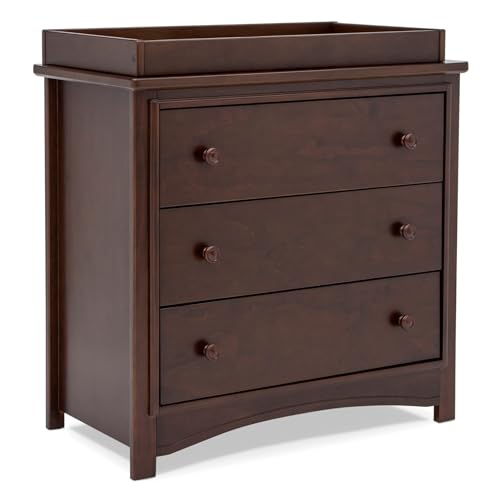
Dresser With Changing Table Top: The Complete Nursery Guide
One piece of furniture, two essential jobs. Learn how a dresser with changing table top saves space, simplifies diaper duty, and grows with your child.
START EXPLORINGWhy it matters: A dresser with changing table top merges nursery storage and a diaper station into a single footprint. For small nurseries and apartments, that consolidation is often the difference between a cluttered room and a calm one. This guide covers sizing, safety, materials, and how to pick the right model for your stage of parenthood.
What Is a Dresser With Changing Table Top?
A dresser with changing table top is a dual-purpose nursery furniture piece. The lower section is a conventional chest of drawers for baby clothes, blankets, and supplies. The upper section provides a dedicated, flat surface for diaper changes. Depending on the model, that top surface may be a removable changing tray, a contoured pad, or a built-in recessed area with raised edges.
The appeal is straightforward. Instead of buying a separate changing table that becomes obsolete after the toddler years, you invest in one unit that serves the nursery now and a bedroom later. Once diaper duty ends, the tray comes off and the piece returns to being a full-time dresser. If you are weighing this against a standalone unit, our comparison of a dresser to use as changing table explains the trade-offs in more detail.
How the Changing Surface Works
Most models fall into one of three configurations:
- Removable tray: A shallow tray with raised sides sits on top of the dresser and lifts off when no longer needed. This is the most common design and the easiest to clean.
- Integrated top: The dresser top itself is recessed with a rim, and a contoured pad drops in. These feel more permanent and often look more polished.
- Attachment-style: A separate changing frame secures to the dresser top with straps or brackets. Our guide to a dresser with changing table attachment covers this style in depth.
Each style has different implications for safety, cleaning, and how the dresser looks once the changing phase ends. If you prefer a model where the changing surface disappears completely, look at a dresser with removable changing table top.
Why Choose a Dresser With Changing Table Top?
Parents who choose this furniture type usually cite three practical benefits.
1. Space Efficiency
Nurseries are rarely large. Combining storage and a changing station into one footprint frees up floor space for a glider, a crib, or simply room to move. In apartments and shared bedrooms, that saved square footage is meaningful. If your nursery is tight, our collection of dressers for small spaces pairs well with this approach.
2. Long-Term Use
A standalone changing table has a short useful life. A dresser with a changing top converts into a standard dresser that can follow your child through the toddler, preschool, and grade-school years. That makes it a smarter long-term purchase than a single-purpose unit.
3. Everything Within Reach
Diapers, wipes, creams, and a fresh outfit all live in the drawers directly below the changing surface. You never have to step away from your baby mid-change, which is both safer and more convenient during those middle-of-the-night changes.
Key Features to Evaluate Before Buying
Not every changing table dresser is built to the same standard. These are the features that separate a solid choice from a frustrating one.
Safety Rails and Contoured Surfaces
The changing surface should have raised edges on all four sides or a contoured pad that cradles your baby. A safety strap is essential. Look for a model where the strap is anchored to the tray or frame, not just glued to the pad. Anti-tip hardware that secures the dresser to the wall is non-negotiable for any nursery furniture.
Drawer Glides and Construction
You will open these drawers dozens of times a day, often one-handed. Full-extension glides with a smooth, quiet action make a real difference. Metal glides with a soft-close mechanism are typical of mid-range and premium models, while entry-level units often use simpler side-mounted slides. For a deeper look at drawer quality, see our notes on a dresser with full extension drawers.
Height and Reach
The top of the changing surface should sit between 34 and 38 inches from the floor for most caregivers. Too low and you strain your back; too high and you lose control of the baby. If two caregivers of very different heights share diaper duty, prioritize the taller person's comfort, since the shorter person can use a step stool.
Material and Finish
Solid wood and high-grade engineered wood both work well in a nursery. What matters most is a low-emission finish and rounded edges. Avoid sharp corners and exposed hardware at baby height. If you want the piece to last through multiple children, solid wood construction is the more durable path. Our guide to solid wood dressers that require no assembly covers the sturdiest options.
Storage Layout
Nursery storage needs are specific: small items like socks and onesies, medium items like blankets, and larger items like bedding. A mix of drawer sizes works better than uniform deep drawers. Models with a dresser with small drawers on top layout keep frequently used baby items within easy reach of the changing surface.
| Tier | Typical Construction | Best For |
|---|---|---|
| Entry-level | Engineered wood, side-mounted glides, basic changing tray | Short-term nursery use, secondary caregivers' homes |
| Mid-range | Engineered wood with solid wood fronts, metal glides, contoured pad | Most families wanting a balance of durability and design |
| Premium | Solid wood construction, soft-close full-extension glides, integrated top | Long-term use across multiple children |
| Luxury | Hardwood, hand-finished surfaces, custom hardware, flagship safety features | Heirloom-quality nursery furniture |
Changing Table Dresser vs. Separate Changing Table
The main argument for a combined unit is longevity and space. The main argument for a separate changing table is flexibility: you can place it wherever is most convenient and replace it independently. A separate table also tends to be lighter and easier to move during late-night feedings.
For most families in a standard nursery, the combined dresser wins on practicality. The changing surface sits at a comfortable height, storage is directly below, and the piece has a second life after the diaper years. If you are still deciding between furniture categories, our overview of dresser types and the dresser style guide can help you match the unit to your nursery's design.
How to Set Up a Safe Changing Station
Safety is the single most important consideration with any changing surface. Follow these setup steps:
- Anchor the dresser to the wall. Use the included anti-tip strap or a furniture anchor rated for the unit's weight. This is essential once your child begins pulling up.
- Use a contoured pad with a safety strap. The pad should fit the tray snugly with no gaps where tiny limbs could slip.
- Keep supplies in a caddy within arm's reach. Never turn your back to grab a diaper from across the room.
- Clear the floor around the unit. Keep rugs flat and remove trip hazards so you can move safely while holding your baby.
- Lower the changing surface as your baby grows. Some trays offer two height positions; use the lower one once your baby becomes more mobile.
If you want a dedicated pad that fits a standard dresser top, see our guide to a dresser with changing pad on top. For a diaper-specific configuration, the dresser with diaper changing top breakdown covers the details.
Design Styles for the Nursery
A changing table dresser should fit the room's overall aesthetic, not stand out as a purely functional object. Common directions include:
- Modern and minimalist: Clean lines, flat fronts, and neutral finishes that suit contemporary nurseries.
- Farmhouse and rustic: Slatted details, warm wood tones, and hardware that feels relaxed and homey.
- Mid-century: Tapered legs, walnut or oak finishes, and a low, horizontal profile.
- Classic and traditional: Paneled drawers, sculpted feet, and painted finishes in soft whites or pastels.
Whatever style you choose, confirm that the changing tray matches the dresser's finish. A mismatched tray is the most common aesthetic compromise in this category. For broader inspiration, browse the dresser styles collection.
Transitioning the Dresser After the Diaper Years
When your child is out of diapers, the conversion is simple. Remove the tray or pad, clean the top surface, and the unit becomes a standard dresser. Many families then move it into the child's bedroom or repurpose it as a hallway or guest-room storage piece. Because the drawers are already sized for children's clothing, the transition feels natural.
If you plan to keep the dresser in the nursery for a second child, store the tray and pad in a closet rather than discarding them. Replacement trays are often difficult to source for discontinued models. For families who want a dresser that stays useful in tight spaces even after the nursery phase, our list of dressers that hold a lot of clothes is a useful companion read.
Ready to Equip Your Nursery?
The right dresser with changing table top should feel stable, fit your space, and make diaper changes easier rather than harder. Use the recommendations below as a starting point, then confirm dimensions against your nursery layout.
EXPLORE RECOMMENDED OPTIONSFrequently Asked Questions
What is a dresser with changing table top?
A dresser with changing table top is a nursery furniture piece that combines a standard chest of drawers with a flat, secure surface for diaper changes. The changing area is either a removable tray or an integrated top section, allowing the unit to transition into a regular dresser once the baby grows.
Is a changing table dresser safe for babies?
Yes, when used correctly. Choose a model with a raised rim or contoured changing pad, a safety strap, and a stable base. Always keep one hand on your baby during changes and never leave them unattended. Anti-tip straps should be anchored to the wall for extra stability.
How long can I use a dresser with changing table top?
Most families use the changing surface for the first 12 to 24 months. After that, the removable tray or pad can be taken off and the unit continues as a standard dresser for years, making it a long-term investment for the nursery.
What height should a changing table dresser be?
The changing surface should sit between 34 and 38 inches from the floor for most caregivers. This reduces back strain while keeping your baby within easy reach. Measure against your own standing elbow height to find the most comfortable match.
Final Checklist Before You Buy
Run through this list before committing to a model:
- Confirm the changing surface height matches your comfort level.
- Check that the dresser includes or supports an anti-tip wall anchor.
- Verify the drawer glides are smooth and rated for frequent use.
- Measure the footprint against your nursery floor plan.
- Confirm the tray is removable or that the integrated top is easy to clean.
- Review the finish for low emissions and rounded edges.
- Decide whether the drawer layout suits your clothing storage needs.
With those boxes checked, a dresser with changing table top becomes one of the most practical nursery purchases you can make, and one that keeps working long after the diapers are gone.