Dresser With Diaper Changing Top
A practical, space-saving solution that pairs nursery storage with a dedicated changing station. Learn how to choose a safe, sturdy, and well-designed option that works from newborn days through toddler years.
What Is a Dresser With a Diaper Changing Top?
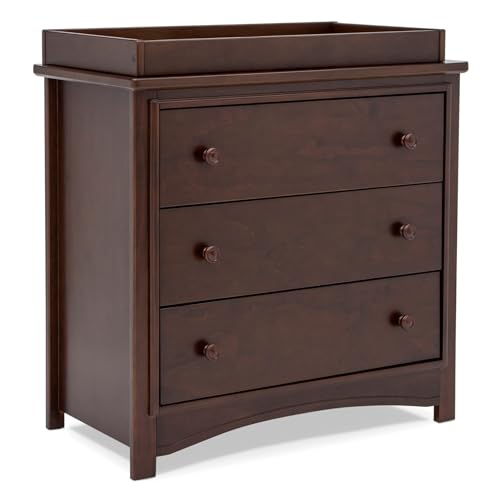
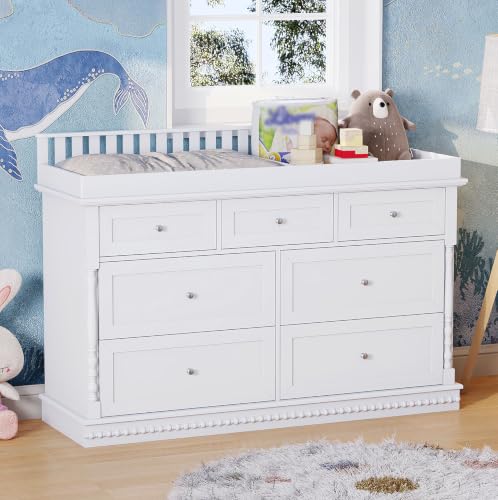
A dresser with a diaper changing top is a standard storage dresser that has been designed or adapted to support a changing pad on its upper surface. The concept combines two nursery essentials into one footprint, which is especially valuable in smaller bedrooms or apartments where floor space is limited. There are three common formats:
- Integrated changing top: The dresser includes a built-in recessed area or raised rim at the top that holds a changing pad securely in place.
- Removable changing top attachment: A separate topper or tray sits on the dresser and can be lifted off once the baby outgrows the changing stage.
- Standard dresser plus aftermarket pad: A regular dresser used with a fitted, non-slip changing pad and safety strap. This approach works when the dresser top is wide and flat enough.
Each format has trade-offs in stability, convenience, and long-term flexibility. The integrated and removable designs tend to offer better containment because the pad is held in a defined area, while the standard dresser route gives you more freedom in choosing a storage piece you can use for years. If you want to explore the removable style in more depth, the guide to a dresser with removable changing table top covers how those toppers attach and detach.
Why Choose a Diaper Changing Dresser?
Space Efficiency
One piece of furniture handles both clothing storage and diaper changes, which frees up floor space in a nursery that may already be tight.
Everything Within Reach
Drawers directly below the changing surface hold diapers, wipes, onesies, and burp cloths, so you are not crossing the room mid-change.
Long-Term Use
Once the changing stage ends, the dresser continues as everyday bedroom storage — especially with a removable topper design.
Consistent Design
A single coordinated piece keeps the nursery visually calm and avoids the mismatched look of a separate changing table and dresser.
Key Features to Evaluate
Not every dresser is a good candidate for a changing station. The following characteristics separate a well-specified nursery dresser from a generic storage piece.
| Feature | Why It Matters | What to Look For |
|---|---|---|
| Stability and anchoring | A changing surface adds weight and movement at the top, so the base must resist tipping. | Wall-anchoring kit included, wide footprint, anti-tip strap compatibility. |
| Top surface size | The changing pad must sit fully supported with no overhang. | Flat top at least as large as a standard changing pad, with raised edges or a containment rim. |
| Drawer mechanism | You will often open drawers one-handed while holding a baby. | Smooth-glide or soft-close runners, full-extension drawers, sturdy pulls. |
| Height | Repeated bending affects comfort and back strain. | A changing surface near your waist height; test the reach before committing. |
| Material and finish | Nursery furniture sees frequent wiping and spills. | Solid wood or well-engineered panels, low-VOC finishes, rounded corners. |
| Storage layout | Diapers and clothing have different size needs. | A mix of deep drawers for clothing and smaller drawers or open cubbies for diapering supplies. |
A dresser that is intended for use as a changing station should generally sit in the mid-tier to high-end tier of construction quality. Entry-level models often use thinner panels and lighter drawer runners that can flex under repeated one-handed use, while premium and luxury tiers typically add reinforced joinery, better glides, and more consistent finishing. For a broader comparison of construction tiers, the dresser style guide explains how build quality maps to different furniture categories.
Safety Considerations for a Changing Dresser
Safety is the single most important factor when a dresser doubles as a changing surface. The following practices are widely recommended by child-safety organizations and furniture makers.
- Anchor the dresser to the wall. Use the included anti-tip kit or a furniture strap rated for the dresser's weight. This is non-negotiable in a nursery.
- Use a proper changing pad. Choose a pad with raised sides, a non-slip base, and a safety strap. Confirm the pad fits the dresser top without overhang.
- Keep one hand on the baby. Never step away from an infant on an elevated surface, even for a moment.
- Store supplies within reach. Keep diapers, wipes, and cream in a top drawer or caddy so you do not have to turn away during a change.
- Check weight limits. Follow the manufacturer's stated limits for both the dresser and the changing top attachment.
- Avoid loose bedding and clutter on and around the changing surface to reduce entanglement and fall hazards.
Sizing and Placement
A diaper changing dresser needs to fit both the baby and the room. Most changing pads are roughly 16 by 32 inches, so the dresser top should be at least that large with a small margin for the pad's base. Beyond the top surface, consider the surrounding clearance: you need room to stand squarely in front of the dresser and to open drawers fully.
For narrow nurseries, a compact dresser may be the only realistic option. The dressers for small spaces collection covers depth and width constraints that matter when a changing station shares a wall with a crib. If you prefer a taller, narrower profile, the dresser with changing pad on top guide discusses how pad placement changes with dresser height.
Height deserves special attention. A surface that is too low forces repeated deep bending; too high and you lose leverage and control. Many caregivers find a surface around waist height works best. Because body proportions vary, test the motion with a similarly sized surface before buying, or choose a model with a removable topper so you can adjust the effective height later.
Styles That Suit a Nursery
Nursery furniture does not have to look institutional. A diaper changing dresser can match the rest of the bedroom in a range of aesthetics:
Modern and Minimal
Clean lines, flat fronts, and neutral finishes keep the nursery calm and make the changing station feel integrated rather than clinical.
Farmhouse and Rustic
Warm wood tones, paneled fronts, and simple hardware suit a cozy nursery and age well as the child grows.
Mid-Century
Tapered legs and angled pulls add character while keeping the footprint light, which helps in smaller rooms.
Transitional
A blend of classic and contemporary details works across nursery, toddler room, and guest bedroom as needs change.
The dresser styles overview is a useful starting point if you are matching a changing dresser to an existing nursery palette.
Organizing a Diaper Changing Dresser
The storage layout under the changing surface directly affects how smoothly changes go. A practical arrangement separates diapering supplies from clothing so you are not digging through onesies to find a fresh diaper.
- Top drawer: diapers, wipes, rash cream, and a spare changing pad cover — everything needed for a single change.
- Second drawer: everyday clothing such as bodysuits, sleepers, and socks, folded upright so labels are visible.
- Deeper drawers: blankets, spare bedding, and out-of-season clothing stored in labeled bins.
- Side caddy or open shelf: a small basket for diaper pail liners, burp cloths, and a nightlight.
Drawer dividers and shallow trays make a meaningful difference in a dresser used daily. If you want a deeper system, the dresser with lots of small drawers format is particularly effective for sorting diapering supplies by size and type.
Longevity: What Happens After the Diaper Stage?
One of the strongest arguments for a dresser with a changing top is that it does not become obsolete. A removable topper lifts off, leaving a standard dresser that serves the child's bedroom for years. Even an integrated changing top can often be repurposed as a display shelf or a spot for a lamp and books once the pad is removed.
If long-term flexibility is your priority, choose a model whose changing attachment is designed to detach cleanly, and confirm that the dresser's finish underneath is complete rather than unfinished. Models with a dresser with changing table top design often publish conversion instructions, which is a good sign that the manufacturer expects the piece to transition.
Changing Dresser vs. Separate Changing Table
| Consideration | Dresser With Changing Top | Separate Changing Table |
|---|---|---|
| Footprint | One combined unit saves floor space | Two pieces require more room |
| Storage | Full dresser capacity directly below the pad | Usually limited shelves or a single drawer |
| Long-term use | Converts to a standard dresser | Often outgrown and removed after the diaper stage |
| Stability | Depends on dresser build; anchoring is essential | Purpose-built with a lower, contained surface |
| Setup effort | Assembly plus anchoring and pad fitting | Assembly only |
Neither option is universally better. A separate changing table may suit a caregiver who prefers a dedicated, lower surface, while a changing dresser is generally the more space-efficient and longer-lived choice. The dresser with changing table attachment guide explores the hybrid approach in more detail.
Frequently Asked Questions
Is a dresser with a diaper changing top safe to use?
It can be safe when the dresser is sturdy, anchored to the wall, and paired with a changing pad that has raised edges and a safety strap. Always keep one hand on your baby and never leave them unattended on the changing surface.
What height should a diaper changing dresser be?
Most caregivers find a changing surface around waist height comfortable, which is often between 36 and 40 inches from the floor. The ideal height depends on your own stature, so test the reach and bending motion before committing.
Can I use a regular dresser as a changing table?
Yes, provided you add a properly fitted changing pad with a non-slip base and safety strap, secure the dresser to the wall, and confirm the top surface is wide and stable enough. A dedicated changing top attachment can make a standard dresser more secure.
What should I look for in a nursery changing dresser?
Look for a solid build, smooth-glide drawers, a wall-anchoring kit, rounded corners, and a top surface that fits a standard changing pad. Drawers with soft-close or full-extension runners make one-handed access easier during changes.
How long will a diaper changing dresser stay useful?
The changing function typically serves through the infant and early toddler stages. After that, a removable topper can be taken off and the dresser continues as everyday bedroom storage for years.