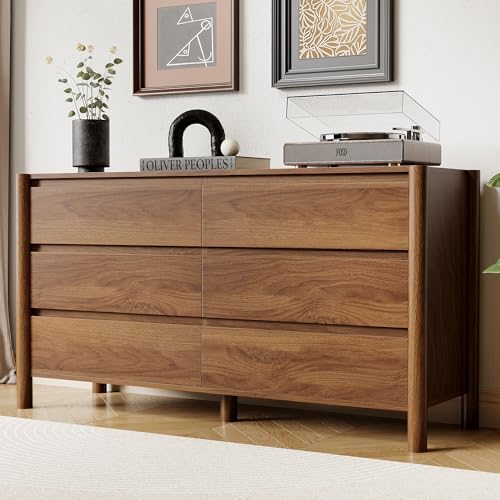
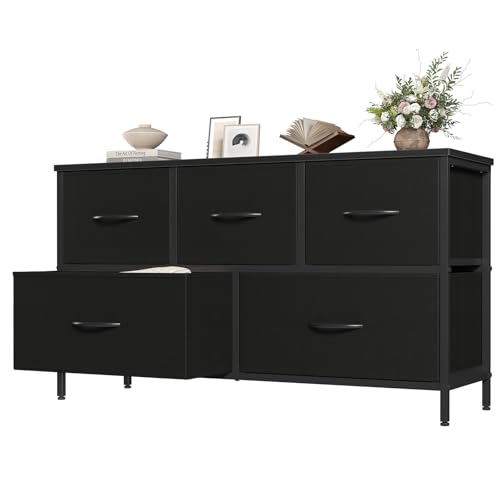
Dresser Under 200: Smart Storage Without Compromise
Discover how to choose a reliable, well-built dresser in the entry-level to mid-range tier. Compare materials, drawer systems, and room layouts so you can buy with confidence.
START THE BUYING GUIDEDresserAdvisor Philosophy: A dresser in this tier is not about cutting corners — it is about knowing where the important engineering lives. Focus on drawer glide quality, frame stability, and safety hardware, and you will end up with a storage piece that serves you for years. Use our dresser style guide to match your room aesthetic before you commit.
Why a Dresser Under 200 Deserves Careful Research
Shopping in this range is where smart buyers separate themselves from impulse buyers. The category includes everything from flimsy particleboard boxes to surprisingly robust engineered-wood dressers with metal glides and reinforced joinery. The difference between a dresser that lasts a decade and one that sags within a year usually comes down to three things: drawer glide type, frame construction, and how the unit is assembled and anchored.
This tier is ideal for first apartments, guest rooms, dorm setups, kids' rooms, and secondary storage in hallways or closets. It is also the sweet spot for buyers who want a specific look — modern, farmhouse, or mid-century — without committing to a long-term investment piece. If you are furnishing a small bedroom, explore our guide to dressers for small spaces to avoid oversized mistakes.
What You Actually Get in This Tier
Understanding the typical specifications helps you set realistic expectations and spot the standouts. Here is how the category generally breaks down:
| Feature | Entry-Level Tier | Mid-Range Tier (Standout Models) |
|---|---|---|
| Primary Material | Particleboard with paper or laminate veneer | Engineered wood with real wood veneer or solid wood accents |
| Drawer Glides | Basic side-mount rollers | Metal ball-bearing side-mount or center-metal glides |
| Drawer Bottoms | Thin fiberboard | Reinforced fiberboard or plywood with support rails |
| Assembly | Flat-pack, cam-lock hardware | Flat-pack with pre-drilled dowels or partial pre-assembly |
| Safety Hardware | Basic anti-tip strap included | Steel anti-tip bracket with wall anchors |
| Typical Drawer Count | 4 to 5 drawers | 5 to 6 drawers, sometimes with varied sizes |
The biggest mistake buyers make is choosing a model based on drawer count alone. A 6-drawer dresser with shallow, narrow drawers stores less than a well-designed 4-drawer unit with deep, full-width compartments. If you are comparing configurations, our breakdown of dresser vs chest of drawers explains which form factor fits which wardrobe.
The Five Criteria That Matter Most
1. Drawer Glide Quality
Glides are the single most important component for daily satisfaction. Look for metal ball-bearing glides over plastic rollers. Test the drawer action in reviews or, if shopping in person, pull each drawer fully open and push it closed — it should glide smoothly without wobbling or catching. Models in this tier with full-extension glides let you reach the back of the drawer, which effectively increases usable space.
2. Frame and Joinery
A stable frame prevents the dreaded side-to-side sway that loosens hardware over time. Prioritize models with corner blocks, reinforced back panels, and cam-lock or dowel joinery rather than staples alone. If the dresser will hold heavy items like denim or linens, a center support leg on wider models is a meaningful upgrade.
3. Drawer Bottom Construction
Thin drawer bottoms bow under weight. Look for reinforced bottoms with a support rail or a thicker panel. This detail is rarely advertised, so check owner reviews for mentions of sagging. If the dresser will hold books or heavy folded items, this matters more than the exterior finish.
4. Safety and Anti-Tip Hardware
Every dresser in this tier should be anchored to the wall, especially in homes with children or pets. Verify that the model includes a steel anti-tip bracket, not just a nylon strap. If you are furnishing a nursery, our guide to dressers to use as a changing table covers the specific safety checks for that use case.
5. Dimensions and Room Fit
Measure your space before you shop — including doorways and stairwells for delivery. A dresser that is 30 inches wide fits tight bedrooms and closets, while 50-inch models suit primary bedrooms. Our guides to dressers less than 30 inches wide and dressers less than 50 inches wide help you narrow the field fast.
Best Use Cases by Room
Small Bedrooms and Apartments
In compact rooms, vertical storage wins. A tall, narrow dresser with 5 drawers uses less floor space than a wide lowboy while offering comparable capacity. Pair it with a wall mirror to reduce visual clutter. If your closet is small, consider a dresser that fits in a closet to free up bedroom floor area entirely.
Guest Rooms and Dorm Setups
Guest rooms need functional storage without a large footprint. A 4-drawer dresser with a flat top for a lamp and tray is ideal. For dorm rooms, prioritize models that assemble quickly and can be disassembled for moves. Our guide to dressers that don't require assembly is useful if you want to skip flat-pack entirely.
Kids' Rooms and Nurseries
Safety and easy-clean surfaces are the priorities. Choose a dresser with rounded edges, secure anti-tip anchoring, and drawers that are easy for small hands to open without pinching. If you need a changing surface, explore dressers with a changing pad on top for a dual-purpose setup.
Living Rooms and Multi-Use Spaces
A dresser can double as a media console or entryway storage. Models with open shelves or cable management work best for TV use — see our guide to the dresser TV stand combo for layout ideas. In entryways, look for a dresser with a durable top surface and at least one deep drawer for gloves and accessories.
Materials and Finishes to Prioritize
At this tier, engineered wood dominates — and that is fine when the veneer is applied well. A quality laminate or wood veneer resists scratches and moisture better than raw particleboard. Look for:
- Wood veneer over engineered wood — offers a more natural look and better durability than paper laminate.
- Moisture-resistant finishes — important for bathrooms and kitchens if the dresser will be used outside a bedroom.
- Solid wood drawer fronts — a common mid-range upgrade that improves the feel and longevity of the most-touched surfaces.
- Powder-coated metal hardware — resists tarnishing better than painted hardware over time.
If you prefer a particular look, our guides to white dressers and black dressers cover finish durability and styling considerations. For a warmer, natural feel, explore natural wood dressers.
Assembly, Delivery, and Setup Tips
Most dressers in this tier ship flat-packed. Assembly typically takes 45 to 90 minutes with a screwdriver and the included hardware. To avoid the most common pitfalls:
- Lay out all parts and hardware before starting — missing pieces are easier to spot early.
- Tighten cam locks firmly but do not overtighten; over-torquing crushes the particleboard and weakens the joint.
- Attach the anti-tip bracket to a wall stud, not just drywall, for maximum security.
- Assemble the dresser in the room where it will live if possible — moving a fully built unit through doorways is risky.
If you would rather avoid assembly altogether, our guide to dressers for sale already assembled covers what to look for when buying pre-built. For smaller spaces, a dresser with lots of storage can replace both a dresser and a shelving unit.
Common Mistakes to Avoid
- Ignoring drawer depth. Deep drawers hold more than multiple shallow drawers. Measure the interior depth, not just the exterior dimensions.
- Skipping the anti-tip install. A dresser can tip if a child climbs on an open drawer. Always anchor it.
- Buying for looks only. A beautiful finish on a wobbly frame will frustrate you daily. Check glide quality and joinery first.
- Overlooking the delivery path. Measure doorways, stairwells, and tight corners before ordering a wider model.
- Choosing the wrong height. A dresser that is too low causes back strain; too high and the top becomes unusable. Aim for a top surface around waist height for comfort.
Ready to Compare Real Options?
Browse curated dressers and storage pieces in this tier, selected for build quality, drawer performance, and room-friendly dimensions.
VIEW RECOMMENDED DRESSERSGetting More From Your Dresser
A dresser in this tier can feel premium if you organize it well. Use drawer dividers to separate folded categories, roll t-shirts instead of stacking them to save vertical space, and keep the top surface minimal. If you need extra capacity, consider a dresser with shelves on top or one with baskets for overflow items. For jewelry and small accessories, a dresser with a jewelry drawer keeps valuables organized without a separate box.
Seasonal rotation is another simple habit: store off-season clothing in under-bed bins and keep the dresser focused on what you wear weekly. This makes even a 4-drawer unit feel spacious. For more ideas, see our dresser organization guide.
Final Buying Checklist
Before you click purchase, confirm:
- Metal drawer glides, ideally full-extension
- Reinforced drawer bottoms with support rails
- Steel anti-tip bracket included
- Dimensions fit your room and delivery path
- Drawer interior depth matches what you plan to store
- Assembly time and tools required are realistic for you
- Finish and style match your existing room palette
If you are still deciding between form factors, our comparison of dresser vs armoire and dresser vs nightstand can help you match the piece to your storage habits. And if you want to explore a broader set of options, the main dresser hub covers every style and configuration.
Frequently Asked Questions
What should I look for in a dresser under 200?
Focus on drawer glide quality, material composition (engineered wood with solid wood veneer is common at this tier), overall build stability, and safety features like tip-over restraints. Prioritize full-extension drawers and reinforced drawer bottoms for better longevity.
Is a dresser under 200 durable enough for daily use?
Entry-level dressers in this tier can absolutely handle daily use if you choose models with metal drawer glides, reinforced corner joints, and a stable frame. Avoid particleboard-only construction where possible, and always use the included anti-tip hardware.
How many drawers should a dresser under 200 have?
Most dressers in this tier offer 4 to 6 drawers. A 4-drawer configuration suits small bedrooms and closets, while 6-drawer models provide better organization for couples or larger wardrobes. Consider drawer depth more than raw count for real storage capacity.
Are dressers under 200 easy to assemble?
Most require flat-pack assembly, typically taking 45 to 90 minutes with basic tools. Look for models with labeled parts, cam-lock hardware, and clear instructions. Some brands offer pre-assembled options at this tier, which saves time and reduces assembly errors.
Where can I put a dresser in a small bedroom?
Place it opposite the bed if space allows, or use a corner placement to keep walkways clear. A tall narrow dresser works well beside a doorway, while a low wide model can sit under a window. Avoid blocking heating vents and ensure at least 24 inches of clearance for opening drawers.