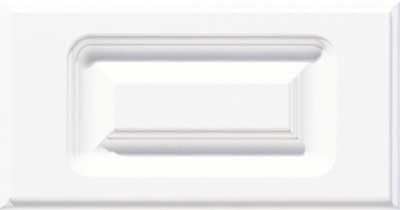
Custom Cabinet Doors and Drawer Fronts: Complete Upgrade Guide
Everything you need to know about replacing cabinet doors and drawer fronts. Compare materials, styles, and finishes so you can refresh a dresser or storage cabinet with confidence.
START EXPLORINGDresserAdvisor Philosophy: A dresser or cabinet is only as good as its visible faces. Custom doors and drawer fronts are the single most impactful upgrade you can make to an existing storage piece. This guide walks you through the decisions that matter most.
Why Replace Cabinet Doors and Drawer Fronts?
A dresser or built-in cabinet is a long-term piece of furniture, but its doors and drawer fronts take the most wear. Handles loosen, finishes fade, and styles fall out of step with the rest of the room. Replacing only the visible fronts, a process known as refacing, refreshes the look of a piece without removing the cabinet box or the drawer boxes inside. It is one of the few projects where a relatively small change produces a dramatic visual result.
Custom cabinet doors and drawer fronts also let you correct design problems that were present from the start. A drawer that catches, a door that warps, or a hardware placement that never felt right can all be solved by ordering new fronts cut to precise dimensions. If you are working on a dresser in a closet, matching the new fronts to a closet dresser layout keeps the storage system visually consistent. For projects where the cabinet box itself needs more flexibility, a custom drawer system can be paired with new fronts to rebuild the interior organization at the same time.
Cabinet Doors vs Drawer Fronts: What Is the Difference?
The two components look similar but serve different mechanical roles, and they are measured and ordered separately.
Cabinet Doors
Cabinet doors cover a full-height opening and swing on hinges. They are used on wardrobes, armoires, storage cabinets, and the tall sections of a dresser. Door construction determines how the piece opens, how the hinge mounts, and how much of the interior you can access at once. Hinge type matters as much as the door itself, since a heavy solid wood door needs different hardware than a light MDF panel.
Drawer Fronts
Drawer fronts attach to the front of a drawer box and pull outward on slides. They are usually the most visible surface on a dresser. A drawer front can be a simple flat slab or a detailed shaker panel with applied molding. The front's thickness and weight affect how smoothly the drawer glides, so matching the new front to the existing slide capacity is essential.
Popular Styles for Custom Doors and Drawer Fronts
Style is where most buyers start, and it is also where the widest range of options exists. The right profile should echo the architecture of the room and the proportions of the piece itself.
Slab (Flat Panel)
A clean, uninterrupted surface with no frame or molding. Slab fronts suit modern and contemporary interiors and are the most straightforward profile to keep clean. They pair well with long bar pulls.
Shaker
A recessed center panel framed by four stiles and rails. Shaker fronts are the most versatile style in the category, moving easily between farmhouse, transitional, and minimalist rooms. Matching shaker drawer fronts are easy to source.
Raised Panel
A center panel that rises above the frame, often with a beveled or sculpted edge. Raised panel fronts carry a traditional, high-end tier feel and work well in classic and French provincial rooms.
Beadboard
Vertical grooves milled into the panel for a cottage or coastal look. Beadboard fronts add texture without heavy ornamentation and pair naturally with painted finishes.
Glass-Front
Doors with a glass insert that display the contents of a cabinet. Glass fronts are common on china cabinets with glass doors and on display storage where visibility is part of the design.
Louvered
Slatted horizontal or vertical louvers that allow airflow. Louvered doors are a practical choice for closets and utility storage where ventilation matters.
Drawer fronts follow the same design language. A shaker cabinet door typically calls for a shaker drawer front with a matching rail width so the horizontal lines align across the piece. Mixing profiles is possible, but it needs to be intentional. If you are also replacing the interior hardware, browse closet dresser drawers for options that match a refacing project.
Materials: Solid Wood, Plywood, and MDF Compared
Material choice affects durability, how the finish ages, and how the fronts respond to humidity. There is no single correct answer, but there is a correct answer for each room and each budget tier.
| Material | Tier | Best For | Key Consideration |
|---|---|---|---|
| Solid Wood | Premium / luxury | Long-term investment pieces, visible grain, refinishable surfaces | Can expand and contract with humidity; needs stable indoor conditions |
| Plywood with Veneer | Mid-range / balanced | Large fronts that need dimensional stability, consistent grain look | Edge banding quality determines how the front holds up over time |
| MDF (Painted or Wrapped) | Entry-level to mid-range | Flat and shaker profiles, smooth painted finishes | Not ideal in high-moisture rooms; painted edges chip if not sealed |
| Thermofoil / Wrapped | Entry-level | Uniform color, easy-clean surfaces, budget-conscious refreshes | Peeling can occur near heat sources; limited refinish options |
Solid wood remains the top-tier choice for buyers who want a surface that can be sanded and refinished decades later. Plywood with a quality veneer is the balanced-tier workhorse, offering stability for wide drawer fronts where solid wood might cup. MDF dominates the entry-level and mid-range tiers because it takes paint beautifully and holds a crisp shaker profile. Whichever material you choose, confirm the finish system: a lacquered or conversion-varnished surface lasts longer than an unfinished panel, and pre-finished fronts arrive ready to install.
If your project is a dresser rather than a fixed cabinet, a custom dresser build can combine new fronts with a new carcass in a single order. For kitchen-style storage, cupboard replacement doors follow the same material logic and measurement rules.
How to Measure for Replacement Doors and Drawer Fronts
Accurate measurement is the difference between a clean install and a return. The process is straightforward but must be followed in order.
- Identify the mounting style. Overlay doors sit in front of the cabinet frame; inset doors sit flush inside the opening. Each requires different measurements.
- Measure every opening individually. Cabinet frames are rarely perfectly square, so record height and width at three points and use the smallest measurement.
- Record the overlay amount. For overlay doors, note how far the door extends past the opening on each side. This determines the final door size.
- Measure drawer faces separately. Drawer fronts are sized by their visible face, not the drawer box. Confirm the drawer box width and the slide clearance.
- Check hinge and pull spacing. Existing bore holes for handles and hinge cups must line up with the new fronts, or the fronts must be pre-drilled to match.
- Order a test piece when possible. A single sample front confirms finish color and profile before the full order is placed.
Finishes, Hardware, and the Details That Finish the Look
The finish and hardware determine whether new fronts read as an intentional upgrade or as a patch. Paint is the most flexible option and the easiest to touch up, while stained wood shows grain and suits traditional rooms. Matte and satin sheens hide fingerprints better than high gloss, which is worth considering for drawer fronts that are touched daily.
Hardware should be chosen after the fronts, not before. A slab front with a long bar pull reads modern; a shaker front with a simple round knob reads traditional. The finish of the hardware should echo other metals in the room, such as lighting or faucets. When the fronts are installed, align the pulls across adjacent drawers so the lines stay consistent, and check that the pull does not interfere with the drawer slide travel.
For projects that extend beyond the cabinet, coordinating with closet organization ideas or a closet organizer chest of drawers keeps the finish and hardware language consistent across the whole storage system.
Choosing Your Tier: Entry-Level, Mid-Range, and Premium
Because custom fronts vary widely in specification, it helps to think in tiers rather than in numbers. The tiers below describe relative market position and build quality, not currency.
Entry-Level Tier
Thermofoil or wrapped MDF fronts in standard profiles. Good value for its tier, suitable for rentals, quick refreshes, and secondary rooms. Limited refinish options.
Mid-Range Tier
Painted MDF or plywood with veneer. Feature-rich for its class, with more profile choices and better hinge and slide compatibility. A solid choice for the tier in most family homes.
Premium Tier
Solid wood fronts with a quality finish system. Durable construction that can be refinished later, making it a long-term investment for a primary bedroom or a built-in cabinet.
Most buyers land in the mid-range tier because it balances profile choice with long-term durability. Buyers upgrading a statement piece, such as a credenza dresser or a heritage wardrobe, often justify the premium tier because the fronts are the piece's defining visual element. Within each tier, the details that separate a good order from a great one are consistent: square cuts, sealed edges, consistent finish sheen, and hardware that aligns.
Frequently Asked Questions
Ready to Refresh Your Dresser or Cabinet?
Explore the recommended options below to compare styles, materials, and hardware before you commit to a set of custom cabinet doors and drawer fronts.
VIEW RECOMMENDED OPTIONS