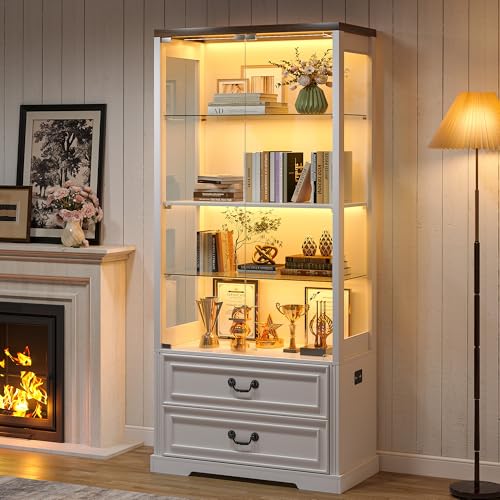
China Cabinet with Glass Doors and Drawers: The Complete Guide
Learn how to choose a display cabinet that protects your finest dinnerware while keeping linens, silverware, and serving pieces neatly organized in one elegant piece of furniture.
START WITH THE BASICSWhy this guide matters: A china cabinet with glass doors and drawers is more than a dining room showpiece. It is a dual-purpose storage system that protects delicate glassware from dust and damage while giving you concealed space for the items you do not want on display. Whether you are furnishing a formal dining room or looking for a display piece in a living area, the right cabinet balances visibility, protection, and organization.
What Is a China Cabinet with Glass Doors and Drawers?
A china cabinet with glass doors and drawers is a two-zone storage piece. The upper section features glass-fronted doors, often with glass or adjustable shelves, designed to showcase fine china, crystal, collectibles, and decorative objects. The lower section typically includes a combination of drawers and closed cabinet doors that hold table linens, silverware, serving utensils, and other accessories out of sight.
This hybrid design solves a common problem: display pieces that only offer open shelving leave your best dinnerware exposed to dust and accidental contact, while fully closed cabinets hide beautiful collections. Combining glass display above with drawers below gives you the best of both worlds. If you are also considering open storage alternatives, explore our guide to a display cabinet with glass doors and drawers for a lighter, more contemporary approach to showcasing your collection.
Anatomy of a Well-Designed China Cabinet
Glass Display Upper
The top section uses tempered or standard glass doors with adjustable shelving. Glass shelves let light pass through, making the display look airy and allowing you to see items from multiple angles.
Drawer Bank Lower
Drawers keep flatware, placemats, and napkins dust-free and within easy reach. Felt-lined drawer interiors protect silver and delicate serving pieces from scratches.
Closed Cabinet Base
Many models combine drawers with a closed cabinet section for larger items such as serving platters, punch bowls, and stacks of dinner plates.
Interior Lighting
Built-in LED puck lights or strip lighting in the display section highlight glassware and china while adding a warm ambiance to the dining room.
Door Hardware
Magnetic catches, soft-close hinges, and felt-lined seals keep glass doors snug, reducing dust infiltration and preventing slamming.
Mirrored Back Panel
A mirrored back reflects light and makes the display appear deeper, doubling the visual impact of your china and glassware collection.
How to Choose the Right China Cabinet
Before you start comparing models, work through the criteria below. These factors determine whether a cabinet will serve your collection for years or become a source of frustration within months.
1. Measure Your Space and Collection First
Start with the footprint. China cabinets are typically deeper than standard dressers because they need to accommodate dinner plates, platters, and serving bowls. Measure the wall space, account for door swing clearance, and confirm ceiling height if you are considering a tall hutch. Then inventory your collection: count plates, glasses, platters, and serving pieces, and note the tallest item. Adjustable glass shelves are essential if you own stemware or tall vases.
2. Glass Quality and Door Construction
Not all glass doors are equal. Tempered glass is the safer choice, especially in homes with children or pets, because it breaks into rounded fragments rather than sharp shards. Check whether the doors have wood or metal frames, how the glass is secured, and whether the hinges are rated for the door weight. Soft-close hinges are a mark of mid-range and premium cabinets and significantly extend the life of the doors.
3. Drawer Construction and Glides
Drawers in a china cabinet take a surprising amount of weight from silverware and stacked linens. Look for dovetail joinery on mid-range and premium models, and ball-bearing or under-mount glides rather than simple wood-on-wood runners. A drawer that sticks or sags under load is one of the most common complaints in entry-level cabinets. If drawer organization matters to you, our guide to clothes drawer dividers covers techniques that translate well to silverware and linen drawers.
4. Material and Finish
Solid wood construction (oak, maple, cherry, walnut) offers the longest lifespan and can be refinished if the surface becomes worn. Engineered wood with wood veneer is a common mid-range choice and can look excellent, but check the edge banding and drawer interiors. A painted or lacquered finish should be smooth with no drips or thin spots. If you are building a cohesive dining room, our guide to dark oak furniture explains how darker finishes pair with glass display pieces.
5. Shelf Adjustability and Capacity
Fixed shelves limit what you can display. Look for cabinets with adjustable glass shelves and multiple height positions. Check the manufacturer's stated shelf weight capacity and distribute heavy platters on lower shelves. If your cabinet has a mirrored back, confirm the mirror is securely bonded and does not interfere with shelf adjustment.
6. Lighting and Electrical Considerations
Interior lighting transforms a display cabinet from storage furniture into a focal point. LED lighting is the standard in newer models because it runs cool and uses minimal energy. Check whether the lighting is hardwired or uses a plug, and whether the cabinet has a built-in switch or remote. If you plan to place the cabinet away from an outlet, a cordless puck light option may be more practical.
Comparing China Cabinet Tiers
China cabinets fall into three broad quality tiers. Use this table to understand what you get at each level without relying on any specific figures.
| Tier | Best For | Typical Construction | Notable Features |
|---|---|---|---|
| Entry-Level | Occasional use, first dining room setup | Engineered wood with veneer, standard glass, basic glides | Fixed or limited-adjustment shelves, no interior lighting |
| Mid-Range | Regular entertaining, growing collections | Solid wood frames with veneer panels, tempered glass, soft-close hinges | Adjustable glass shelves, felt-lined drawers, optional lighting |
| Premium | Heirloom collections, formal dining rooms | Solid hardwood throughout, dovetail drawers, full-extension glides | Integrated LED lighting, mirrored back, beveled glass, custom finishes |
A cabinet in the mid-range tier often represents the strongest balance of durability and features for most households. Entry-level models are suitable for lighter use, while premium cabinets are a long-term investment intended to be passed down.
Placement and Display Tips
Where you place the cabinet and how you style the interior both affect how much you enjoy it. Keep these practical guidelines in mind:
- Position the cabinet away from direct sunlight. UV exposure fades wood finishes and can damage delicate china and glassware over time.
- Leave at least a few inches of clearance behind the cabinet for air circulation and to prevent moisture buildup against the wall.
- Place the heaviest and tallest items on the bottom shelf of the display section, and reserve upper shelves for lighter glassware and small collectibles.
- Use glass shelves rather than solid shelves in the display section so light reaches items on lower levels.
- Group items by color or material to create visual rhythm rather than spacing pieces evenly across the shelves.
- Consider a mirrored back panel if your dining room lacks natural light; it amplifies the effect of interior lighting.
Care and Maintenance
A china cabinet is built to protect its contents, but the cabinet itself needs occasional attention. Dust glass doors on both sides with a microfiber cloth and a glass cleaner that does not contain ammonia, which can cloud certain glass finishes. Wipe wood surfaces with a slightly damp cloth and dry immediately. Avoid silicone-based polishes that can build up and attract dust. Check hinges and drawer glides every few months and tighten screws as needed. If the cabinet has interior lighting, dust the light fixtures and confirm the wiring is not pinched when doors open and close.
For households in humid climates, consider a small silica gel packet in the closed base section to reduce moisture. If you are organizing the surrounding room, our closet organization ideas offer transferable techniques for keeping linens and serving pieces tidy.
Frequently Asked Questions
What is a china cabinet with glass doors and drawers?
A china cabinet with glass doors and drawers combines a glass-fronted display upper section with a lower section that includes drawers and sometimes closed cabinet storage. The glass doors protect and showcase fine china, glassware, and collectibles, while the drawers keep linens, silverware, and serving accessories organized and dust-free.
What is the difference between a china cabinet and a china hutch?
The terms are often used interchangeably. Traditionally, a hutch refers to the upper display section that sits on top of a base, while a china cabinet describes the complete two-piece unit. In practice, most retailers use both terms for a full cabinet with glass doors above and drawers or closed storage below.
How much weight can glass shelves hold in a china cabinet?
Tempered glass shelves in mid-range and premium cabinets typically support moderate loads of dinnerware when weight is distributed evenly. Always check the manufacturer's stated shelf capacity, avoid stacking heavy platters in one spot, and place the heaviest items on the bottom shelf of the display section for safety.
Should I choose tempered or standard glass doors?
Tempered glass is significantly stronger and breaks into safer, rounded fragments rather than sharp shards. For households with children or pets, tempered glass is strongly recommended. Many mid-range and most premium cabinets use tempered glass as standard, while some entry-level models use standard annealed glass.
How do I keep items in a glass cabinet free from dust?
Look for cabinets with magnetic or felt-lined door seals, tight joinery, and minimal gaps between doors. Display items on glass shelves rather than open wood surfaces where dust settles, and dust the interior every few weeks with a microfiber cloth. Keeping the doors closed whenever possible dramatically reduces dust accumulation.