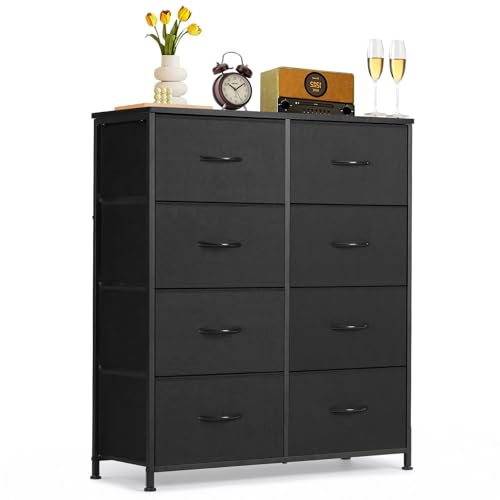
Cheap Bedroom Dressers: Smart Storage Without Compromise
Discover entry-level and mid-range bedroom dressers that deliver solid build, smooth drawers, and practical storage for real homes.
START READINGWhy this guide matters: If you have already narrowed your search to cheap bedroom dressers, you are in the research stage where the right information decides whether a purchase feels smart a year later. The challenge is that low-tier dressers vary enormously in build quality, drawer mechanics, and material honesty. A dresser that looks identical on a product page can feel completely different in use.
This guide breaks down what separates a well-made entry-level bedroom dresser from a flimsy one, how to match size and drawer count to your room, and which materials hold up best over time. By the end, you will know exactly which features matter, which corners are safe to cut, and which are not — so you can choose a dresser that stays functional and good-looking for years.
What Defines a Cheap Bedroom Dresser in the Current Market
The term "cheap bedroom dressers" is often used loosely, but in practical terms it describes dressers in the entry-level and lower mid-range tiers. These are pieces built with engineered wood, laminate veneers, or lower-grade solid wood, and they typically use standard metal or plastic drawer glides instead of soft-close under-mount systems. That does not automatically make them poor choices — it simply defines the design and manufacturing trade-offs.
What separates a good entry-level dresser from a frustrating one is not the tier itself, but the consistency of construction. A dresser in this class with a reinforced frame, properly aligned drawers, and smooth glides can serve a bedroom for a decade or more. The same tier with thin panels, uneven drawer fronts, and sticky glides can become a daily annoyance within months.
Who these dressers are for
- First apartments and rentals: Lightweight, easy to move, and practical for spaces where furniture changes often.
- Guest and children's rooms: Lower-tier dressers cover occasional or low-intensity use extremely well.
- Secondary storage: A small dresser in a closet or hallway adds capacity without a major investment.
- Style refreshes: If you like to update a room's look every few years, an entry-level piece keeps that flexible.
If your priority is a piece you will keep for decades and refinish over time, a solid wood or premium dresser is a better long-term investment. But for most practical bedroom storage needs, a well-chosen entry-level dresser is a sensible, functional choice.
Quality Tiers Explained: Entry-Level, Mid-Range, and Premium
Rather than thinking in terms of price, it helps to think in terms of tiers. Each tier reflects a different balance of materials, construction methods, and expected lifespan. The table below summarizes how the tiers differ in ways that matter in daily use.
| Tier | Best For | Typical Construction | Drawer Mechanics | Expected Lifespan |
|---|---|---|---|---|
| Entry-level | Rentals, guest rooms, first apartments, children's rooms | Engineered wood with laminate or paper veneer, basic joinery | Standard metal side-mount glides, sometimes plastic | 5–8 years with normal use |
| Mid-range | Primary bedrooms, daily-use storage, style-conscious buyers | Engineered wood with real wood veneer or solid wood frame with veneer panels | Ball-bearing side-mount or entry-level under-mount glides | 8–15 years with care |
| Premium | Long-term homes, heirloom-style furniture, refinishing projects | Solid hardwood frames and panels, dovetail or dowel joinery | Soft-close under-mount glides, full-extension | 15+ years, refinishable |
Key insight: The biggest practical jump between entry-level and mid-range is not the wood — it is the drawer glides. Upgrading from standard side-mount glides to ball-bearing or under-mount glides changes the daily experience far more than a slightly thicker panel. When comparing dressers within the same tier, prioritize glide quality over almost anything else.
How to choose your tier
- Choose entry-level when the dresser is for a room with light use, a temporary living situation, or a secondary storage role.
- Choose mid-range when the dresser is the primary storage piece in a bedroom used every day — this tier offers the best balance of durability and smooth operation.
- Choose premium when you plan to keep the piece for a decade or more, want refinishing flexibility, or value heirloom-style construction.
For a deeper breakdown of construction details across tiers, see the buying guides hub, which covers joinery, finishes, and assembly quality in more depth.
Choosing the Right Size and Drawer Count for Your Bedroom
Size is the most common source of buyer regret with bedroom dressers. A dresser that is too wide crowds walkways; one that is too tall can block windows or feel overwhelming in a small room. Before comparing styles, measure your space and decide on the footprint.
Match the footprint to your room
- Small bedrooms and apartments: A compact small dresser or a tall narrow chest adds storage without eating floor space. Vertical storage is the key move in tight rooms.
- Standard bedrooms: A wide 5 or 6 drawer dresser along a wall is the most versatile configuration and can double as a surface for decor or a mirror.
- Large bedrooms and shared rooms: A tall dresser plus a secondary small chest gives two people separate storage zones.
Drawer count and configuration
Drawer count matters less than the mix of drawer depths. A dresser with a few deep drawers and several shallow drawers is more useful than one with uniform drawer sizes, because different clothing types need different volumes.
- 3 to 4 drawers: Enough for children, guest rooms, or minimalist wardrobes.
- 5 to 6 drawers: The sweet spot for most adults — a mix of deep and shallow drawers covers folded clothes, accessories, and bedding.
- 7+ drawers or tall chests: Best for shared bedrooms or when the dresser replaces a wardrobe entirely.
Measure twice: Check the dresser's height against any wall-mounted elements, and leave at least 24 inches of clearance in front of the drawers for comfortable opening. A dresser that opens into a bed frame or doorway quickly becomes inconvenient regardless of how well it is built.
If you are deciding between a dresser and a taller chest, the comparison in our chest of drawers guide explains when each format works better. For rooms where matching pieces matter, coordinated dresser sets simplify the layout decision.
Materials and Finishes That Last
Material choice determines how a dresser ages. In the entry-level and mid-range tiers, you will mostly encounter three material families, each with distinct strengths and weaknesses.
Engineered wood with laminate or veneer
Particleboard and MDF cores with laminate or paper veneer are the backbone of entry-level dressers. They are stable, resist warping in humid conditions, and can mimic wood grain convincingly. The key weakness is edge damage: if laminate chips, the core is exposed and cannot be repaired easily. Look for fully wrapped edges and reinforced corner joints.
Solid wood
Solid wood dressers in the lower tiers often use pine, rubberwood, or mango wood. These offer refinishing potential and a more natural feel, but they are prone to expansion and contraction in fluctuating humidity. A solid wood chest of drawers is a good choice if you plan to refinish or repaint the piece later, provided the joinery is sound.
Metal and mixed materials
Metal dressers and mixed-material designs have grown in popularity because they are durable, lightweight, and resistant to moisture. They suit modern and industrial interiors and often come with smooth glides at accessible tiers. The main trade-off is that metal surfaces can show scratches and may not suit warmer, traditional bedrooms.
Finish considerations
- White and light finishes: A white dresser brightens small or dark bedrooms and hides minor surface wear well.
- Wood-tone finishes: A wood dresser in a mid-tone finish is the most forgiving choice for scratches and dust.
- Dark finishes: A black dresser adds contrast and suits modern bedrooms but shows dust and fingerprints more readily.
For a fuller comparison of how different woods behave over time, the materials and finishes section covers grain, hardness, and maintenance for each common species.
Drawer Mechanics and Hardware That Make a Difference
Drawer glides are the most-used mechanical component in any dresser and the most common point of failure in low-tier furniture. Understanding the glide types helps you judge a dresser's real-world quality before you buy.
Glide types compared
- Plastic or basic roller glides: Common at the entry-level tier. They work fine when new but wear quickly under heavy loads and can become sticky.
- Ball-bearing side-mount glides: A meaningful upgrade. They handle heavier drawers smoothly and last much longer, and they are the standard for well-specified mid-range dressers.
- Under-mount and soft-close glides: The premium standard. They hide the mechanism, support full-extension drawers, and close quietly. Some mid-range dressers now include entry-level under-mount glides.
Hardware and details to check
- Drawer box construction: Dovetail joints signal higher quality; stapled or glued boxes are common at the entry-level tier. Check for reinforced bottoms and smooth interior surfaces.
- Handles and knobs: Metal hardware outlasts plastic. Screw-in handles with metal inserts hold tight far longer than glued or clipped alternatives.
- Stability features: Anti-tip straps or wall-anchoring hardware are essential for dressers in children's rooms and are a good sign of thoughtful design at any tier.
- Back panels: A solid or well-braced back panel prevents racking and keeps drawers aligned over time.
Practical tip: When reading product listings, look specifically for the glide specification. "Ball-bearing," "full-extension," and "soft-close" are the terms that indicate better drawer mechanics. If the listing does not mention the glide type at all, assume it is a basic side-mount system and plan accordingly.
Pre-Purchase Checklist for Cheap Bedroom Dressers
Use this checklist to evaluate any entry-level or mid-range bedroom dresser before committing. It is designed to catch the most common causes of buyer regret.
Before you buy
- Measure your room's footprint, wall space, and drawer clearance (at least 24 inches).
- Confirm the drawer glide type — ball-bearing or under-mount glides are worth prioritizing.
- Check the material specification for the frame and drawer boxes, not just the front panels.
- Verify the dresser includes anti-tip hardware, especially for children's rooms.
- Read reviews that mention long-term use, drawer alignment, and assembly difficulty.
- Confirm the delivery and assembly process — larger dressers often require two people.
- Check whether the finish is fully wrapped on edges and corners to resist chipping.
- Compare at least three models within the same tier to calibrate quality expectations.
If you are still deciding between dresser formats, our cheap dressers overview and cheap chest of drawers guide provide additional comparison points. For a complete walkthrough of the buying process, see the full dresser buying guide.
Frequently Asked Questions
Focus on drawer glide quality, frame stability, and joinery. Entry-level models often use engineered wood with laminate finishes, but a reinforced frame and smooth metal glides can still deliver years of reliable service. Check that the back panel is solid or well-braced and that edges are fully wrapped to prevent chipping.
Yes. Narrow and small dressers maximize vertical storage without crowding floor space, making them ideal for apartments, dorm rooms, and guest bedrooms. Pair them with under-bed storage for extra capacity. Vertical designs like tall narrow chests are especially efficient when wall space is limited.
A 5 or 6 drawer dresser suits most adults, while 3 or 4 drawer models work well for children or minimal wardrobes. Tall chests with deep drawers add capacity in tight footprints. More important than the count is the mix of drawer depths — a combination of deep and shallow drawers covers more clothing types.
Not always. Solid wood offers long-term durability and refinishing potential, while engineered wood with quality veneers resists warping and suits humid rooms. Match the material to your climate, expected lifespan, and willingness to maintain the finish. For entry-level and mid-range dressers, engineered wood with a well-wrapped veneer is often the more stable choice.
Ready to Compare Bedroom Dressers?
Browse our curated selection of bedroom dressers across tiers, with filterable features and practical storage details for every room size.
View Recommended Dressers