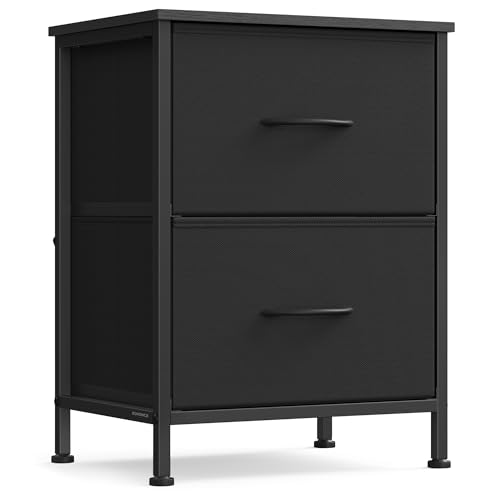
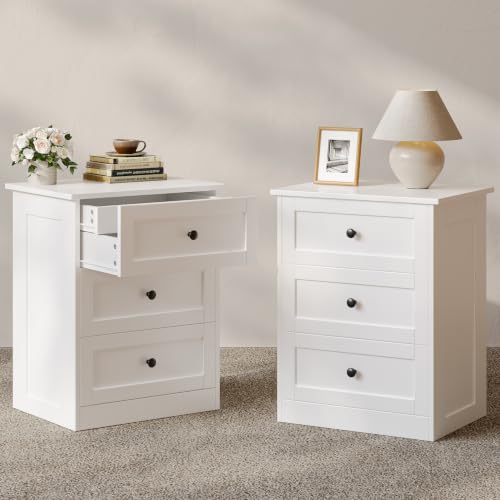
Bedside Dresser: The Smart Storage Solution for Modern Bedrooms
Combine the convenience of a nightstand with the capacity of a dresser. Learn how to choose a bedside dresser that fits your space, your style, and your daily routine.
Explore Buying FactorsWhy consider a bedside dresser? A bedside dresser is a hybrid furniture piece that delivers the surface area of a nightstand along with the drawer capacity of a compact dresser. For anyone who wants to keep clothing, accessories, and bedtime essentials within arm's reach, it solves two storage problems in one footprint.
What Exactly Is a Bedside Dresser?
A bedside dresser is a compact chest of drawers designed to sit directly next to your bed. Unlike a standard nightstand, which typically offers one or two small drawers and a modest top surface, a bedside dresser provides multiple drawers—usually two to four—and a wider top that can hold a lamp, a book, a glass of water, and a charging station all at once.
These pieces are sometimes called nightstand dressers, bedside chests, or compact bedroom dressers. Regardless of the label, the core idea is the same: maximize storage in the tight space beside your bed without overwhelming the room. If you are also considering a traditional bedside cabinet, our guide to bedside cabinets with drawers breaks down the differences in drawer depth and door configurations.
Many shoppers pair a bedside dresser with a larger bedroom set. If that is your plan, explore options for a bedroom set with a dresser and nightstand to keep finishes and hardware consistent across the room.
Why Choose a Bedside Dresser Over a Standard Nightstand?
A standard nightstand is fine for a phone, a lamp, and a book. But if you need extra storage for pajamas, socks, reading glasses, or seasonal accessories, a bedside dresser earns its place. Here is what makes it a practical upgrade:
- Extra drawer capacity: Three or four drawers give you room for clothing layers, linens, or personal items that would otherwise clutter your main dresser or closet.
- Larger top surface: A wider top accommodates a full-size lamp, a tablet stand, and a small plant without feeling cramped.
- Space efficiency: It replaces both a nightstand and a small storage chest, which is ideal for small bedrooms, apartments, and guest rooms.
- Visual balance: A taller bedside dresser can anchor the side of the bed and create a more intentional, furnished look.
- Flexible organization: Use the top drawer for nighttime essentials and lower drawers for clothing or off-season items.
For rooms where floor space is tight, a bedside dresser often works better than a full-size chest. If you need something even more compact, look at bedside tables and chest of drawers combinations that stack storage vertically.
Key Buying Factors for a Bedside Dresser
Before you choose a bedside dresser, evaluate these factors against your room dimensions and daily habits. The right combination will keep the piece functional for years rather than just fitting the space on day one.
| Factor | What to Consider | Best For |
|---|---|---|
| Height | Match or sit slightly below mattress top; typically 20–28 inches | Easy reach from bed |
| Width | Leave at least 24 inches of walking space beside the bed | Small and mid-size bedrooms |
| Drawer Count | 2 drawers for essentials; 3–4 for clothing and linens | Daily-use storage |
| Drawer Glides | Metal ball-bearing or soft-close mechanisms | Frequent opening and closing |
| Material | Solid wood, engineered wood, metal, or mixed materials | Durability and style match |
| Style | Modern, farmhouse, mid-century, or traditional | Coordinating with bedroom decor |
Size and Proportion
The most common mistake is buying a bedside dresser that is too tall or too deep. Measure the height of your mattress and box spring, then choose a dresser whose top sits within a few inches of that height. Also measure the distance from the bed to the nearest wall or door—if the gap is under 30 inches, a narrow profile is essential.
For a broader overview of how bedside storage fits into a full bedroom layout, see our guide to bedroom sets with dressers and nightstands.
Drawer Configuration
Two drawers are enough for a minimal setup: one for nighttime items and one for clothing. Three or four drawers suit anyone who wants to store folded clothes, workout gear, or bedding. Look for drawers that extend fully on metal glides—partial-extension wooden runners tend to stick over time, especially in humid rooms.
Material and Build Quality
Solid wood offers the most durable construction and can be refinished later. Engineered wood with a quality veneer is a practical mid-range option and resists warping better than solid wood in some climates. Metal bedside dressers work well in modern and industrial interiors and are often lighter to move.
If you prefer a natural wood look, our birch dresser guide covers grain patterns and finish options that suit bedside-scale furniture.
Pros and Cons of a Bedside Dresser
Advantages
- Combines nightstand and dresser functions in one piece
- More storage than a standard nightstand
- Keeps clothing and bedtime items within reach
- Useful in small bedrooms and guest rooms
- Available in a wide range of styles and finishes
Limitations
- Takes up more floor space than a slim nightstand
- May crowd a bed placed against a wall
- Heavier and harder to move than a small table
- Drawer depth is usually shallower than a full dresser
Placement and Styling Tips
A bedside dresser works best when it feels intentional rather than squeezed in. Keep the top surface uncluttered: a lamp, a small tray for jewelry or glasses, and one decorative object is usually enough. Use the top drawer for items you reach for nightly, and reserve lower drawers for folded clothing or extra linens.
If you have room on both sides of the bed, consider matching pieces or a set that includes a dresser and two nightstands. Our guide to a bedroom set with a dresser and two nightstands shows how to balance symmetry without making the room feel heavy.
For a softer, more layered look, a beige dresser finish pairs well with neutral bedding and warm wood tones. If your bedroom leans dark and moody, a black dresser adds contrast and hides fingerprints better than light finishes.
Frequently Asked Questions
What is a bedside dresser?
A bedside dresser is a compact storage unit designed to sit next to your bed, combining the function of a nightstand with the drawer capacity of a small dresser. It typically features two to four drawers and a top surface for essentials like a lamp or book.
How tall should a bedside dresser be?
The ideal height matches or sits slightly below the top of your mattress, usually between 20 and 28 inches. This keeps items within easy reach while lying in bed and maintains visual balance in the room.
Can a bedside dresser replace a traditional nightstand?
Yes. A bedside dresser offers the same surface area as a nightstand but adds extra drawer storage for clothing, accessories, or personal items. It is especially useful in rooms without a full-size dresser or where closet space is limited.
What is the difference between a bedside dresser and a chest of drawers?
A chest of drawers is generally taller and holds more clothing, while a bedside dresser is shorter and scaled for placement next to a bed. The distinction is mainly about height and intended position in the room.