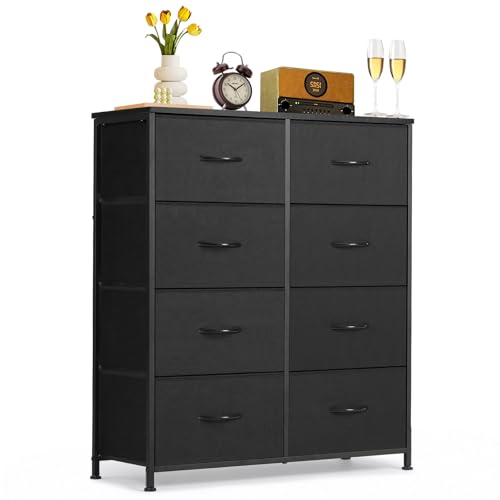
Baby Dresser Guide: Safe, Smart Nursery Storage
Choosing the right dresser for your baby's room is about more than style. It's about safety, organization, and creating a space that grows with your child. This guide covers everything you need to know.
Shop Top Baby Dressers →Why a dedicated baby dresser matters: A well-chosen dresser keeps clothes, diapers, and essentials organized while doubling as a changing station. It's one of the most used pieces of furniture in the nursery. This guide helps you pick the perfect one.
1. Safety First: What to Look For
Safety is non-negotiable when choosing furniture for your baby. Here are the key safety features to prioritize:
Always secure the dresser to the wall using the anti-tip kit. Even the heaviest dressers can tip if a child climbs on open drawers. Look for models that include this hardware or purchase one separately.
For more on general dresser safety and quality, visit our Dresser Quality Guide and Complete Dresser Buying Guide.
2. Getting the Size Right
Baby dressers come in various sizes. Consider your nursery layout and how long you plan to use the dresser.
- Height: If you're using it as a changing table, the top should be at a comfortable height (about 36-38 inches). A tall dresser can work, but a low dresser is often safer and more accessible.
- Width & Depth: Measure your available space. A narrow dresser is great for tight spaces, while a wide dresser offers more surface area for changing.
- Drawer Count: A 6-drawer dresser or 9-drawer dresser offers ample storage for baby clothes, blankets, and diapers. A 3-drawer dresser might be suitable for a smaller nursery or as a secondary piece.
Pro Tip: A changing table dresser combines two functions in one, saving space and money. Look for a dresser with a removable changing top that can be used later as a regular dresser.
3. Materials: Wood, Finishes & Durability
For a nursery, choose materials that are durable, easy to clean, and non-toxic.
- Solid Wood: A solid wood dresser like oak or maple is durable and long-lasting. Look for a white oak dresser or a walnut dresser for a timeless look.
- Engineered Wood: Often more affordable, but ensure it's low-VOC and free from formaldehyde.
- Finish: Choose non-toxic, water-based paints. A white dresser or grey dresser fits most nursery styles. A natural wood dresser is a beautiful, chemical-free option.
For more on materials, see our Materials & Finishes guide.
4. Organization & Storage Ideas
A well-organized dresser makes daily routines smoother. Here are some tips:
- Use drawer dividers to separate onesies, socks, and burp cloths.
- Keep frequently used items (diapers, wipes, creams) in the top drawer for easy access.
- Store out-of-season clothes in the bottom drawers.
- Consider a dresser and nightstand set for additional storage and a cohesive look.
For more organization inspiration, explore our Dresser Organization Guide and Nursery Dresser Ideas.
5. Style: Matching Your Nursery Decor
Your baby's dresser can be a focal point. Choose a style that complements your nursery theme.
- Modern: Clean lines, minimal hardware. A modern dresser in a neutral color.
- Mid-Century: Tapered legs, warm wood tones. A mid-century modern dresser adds character.
- Farmhouse: Rustic charm, often with a white or natural finish. A farmhouse dresser creates a cozy feel.
- Scandinavian: Simple, functional, light woods. A Scandinavian dresser is timeless.
For more room ideas, check our Room Ideas and Dresser Color Ideas.
6. Budget: Finding the Best Value
Baby dressers range from budget-friendly to premium. Here's what to expect:
- Budget ($150–$350): Good for short-term use, often made of engineered wood.
- Mid-Range ($350–$700): Better construction, solid wood fronts, more durable.
- Premium ($700+): High-quality solid wood, heirloom quality, excellent craftsmanship.
Investing in a durable piece that can transition to a toddler room or even a guest room is wise. See our Best Budget Dressers and Best Luxury Dressers for specific recommendations.
7. Assembly, Maintenance & Longevity
Proper assembly and care will extend the life of your baby dresser.
- Assembly: Follow instructions carefully. Use the included hardware. For complex pieces, consider professional assembly.
- Cleaning: Wipe with a damp cloth and mild soap. Avoid harsh chemicals.
- Maintenance: Tighten knobs and handles periodically. Check the anti-tip kit annually.
Learn more about how to assemble a dresser and how to clean a dresser.
Ready to Choose Your Baby Dresser?
Browse our curated selection of top-rated baby dressers below. Each one is vetted for safety, quality, and style.
Shop Baby Dressers Now