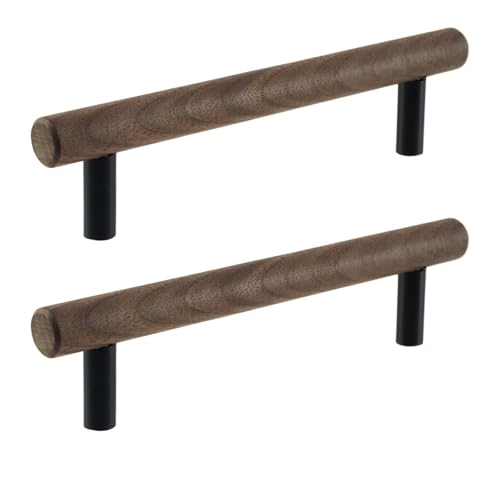
Wood Mid Century Modern Drawer Pulls: The Complete Guide
Everything you need to know about selecting, finishing, and installing wood drawer pulls that capture the authentic mid century modern look — from wood species and shapes to hardware pairing and retro styling tips.
Why Wood Pulls Define the Mid Century Modern Look
Mid century modern design, roughly spanning the 1940s through the late 1960s, emphasized clean lines, organic forms, and honest materials. Wood drawer pulls sit right at the intersection of those principles. Unlike ornate metal hardware from earlier eras, wood pulls were shaped to feel natural in the hand and to echo the grain of the piece they adorned. Designers like George Nelson, Paul McCobb, and the Danish workshops of the era treated hardware as an extension of the furniture — not an afterthought.
When you replace or upgrade drawer pulls on a vintage or reproduction dresser, wood is often the most authentic choice. It softens the visual weight of a piece, adds warmth to a bedroom, and pairs naturally with the tapered legs, splayed profiles, and uncluttered silhouettes that define the style. For a broader look at matching pieces, explore our wood dresser and wood dressers for bedroom collections.
Best Wood Types for Mid Century Pulls
The species you choose affects both appearance and durability. Mid century pieces most commonly used walnut, teak, oak, and maple, so reproductions and replacement pulls tend to follow those same traditions.
| Wood Type | Grain Character | Best For | Tier |
|---|---|---|---|
| Walnut | Rich, chocolate-brown with flowing grain | Premium reproductions and restoration work | High-end tier |
| Teak | Golden-brown, tight grain, naturally oily | Danish modern pieces and humid climates | Premium |
| Oak | Bold, open grain with visible rays | Durable pulls for high-traffic dressers | Mid-range |
| Maple | Fine, even texture, pale tone | Scandinavian and minimalist schemes | Mid-range |
| Beech | Subtle grain, takes stain evenly | Entry-level replacement pulls | Entry-level |
Solid wood pulls with a durable finish will outlast veneered or composite alternatives. If authenticity matters, look for pulls that match the species of your dresser. Our guide to wood types for antique furniture explains how to identify the original material before you shop.
Iconic Shapes and Profiles
Mid century modern pulls are recognizable by their geometry. The most common profiles include:
- Recessed pulls: A routed channel at the drawer edge, often lined in wood or contrasting material. These keep the drawer front visually uninterrupted.
- Bar pulls: A simple horizontal or vertical bar, usually in wood or metal. Wood bar pulls soften the look compared to brushed steel.
- Trapezoid and wedge pulls: A hallmark of 1950s case goods. These angled shapes feel sculptural without being decorative.
- Round and oval knobs: Smaller, softer hardware for nightstands and smaller drawers.
- Half-moon pulls: A shallow crescent shape that reads as both handle and ornament.
If your dresser already has black or gold hardware and you want to transition, consider a mixed approach. Our articles on a wood dresser with black handles and a wood dresser with gold handles show how contrasting metal can coexist with wood pulls on the same piece.
Finishes That Fit the Era
The finish determines whether a pull reads as authentic or modern. Mid century workshops favored hand-rubbed oil, clear lacquer, and wax. Each has trade-offs:
- Hand-rubbed oil: Deep, natural look that develops patina over time. Requires occasional re-oiling.
- Clear lacquer: Protective and smooth, with a subtle sheen. Common on production furniture of the era.
- Wax finish: Soft, matte appearance with a tactile feel. Best for low-traffic drawers.
- Water-based polyurethane: A modern, durable option that keeps the wood looking natural while resisting wear.
Avoid high-gloss finishes on wood pulls — they clash with the matte or satin sheen typical of mid century case goods. Satin or matte is almost always the safer choice.
Matching Pulls to Your Dresser
Hardware should feel like it belongs to the piece. Before buying, consider these three factors:
- Scale: A large dresser with deep drawers needs pulls proportional to the drawer front. Small knobs can look lost on a wide expanse of wood. Our wide dresser with deep drawers guide discusses proportion in more detail.
- Species and tone: A walnut dresser pairs best with walnut or dark-stained pulls. A lighter oak piece calls for oak or a contrasting darker wood for definition.
- Existing style cues: Tapered legs, splayed angles, and recessed edges all suggest specific pull shapes. If the dresser has a routed detail, a recessed pull is often the most harmonious choice.
If you are shopping for a complete piece rather than replacing hardware, browsing a wood dresser set or a wood dresser and nightstand set can help you see how pulls unify a bedroom suite.
Installation and Fit Guide
Replacing pulls is a simple project, but the details matter:
- Measure the bore spacing: For bar pulls, measure center-to-center distance between screw holes. Standard spacing varies, so confirm before ordering.
- Check drawer front thickness: Most pulls include screws sized for 0.75-inch (19mm) fronts. Thicker fronts need longer screws.
- Pilot holes: Always drill pilot holes in solid wood to prevent splitting, especially on older, drier lumber.
- Backing plates: If a new pull is smaller than the old one, a wood or metal backing plate can cover the old holes cleanly.
For a full replacement project, our wood dresser for sale and wood chest of drawers for sale resources can help you compare complete pieces against the cost of upgrading what you already own.
Frequently Asked Questions
Are wood drawer pulls durable enough for daily use?
Yes — solid wood pulls with a protective finish hold up well in normal bedroom use. Harder species like oak and walnut are especially durable. The main wear points are the screw threads and the finish; re-tighten screws periodically and reapply oil or wax every year or two.
Can I use wood pulls on a metal dresser?
Absolutely. Wood pulls on a metal frame create a warm industrial contrast. Our wood and metal dresser guide covers mixed-material pairings that work well.
Should all drawers use the same pull style?
Consistency is the mid century norm. A single style across the dresser keeps the look calm and intentional. If you want variety, vary size rather than shape — for example, a longer bar on wide drawers and shorter knobs on narrow ones.
How do I hide old screw holes?
Use a backing plate, wood filler matched to the drawer tone, or reposition the new pull to cover the old holes. Always test-fit before drilling.
Ready to Upgrade Your Dresser Hardware?
Browse our curated recommendations for wood mid century modern drawer pulls and compare features, styles, and materials that suit your project.
Explore Recommended Pulls