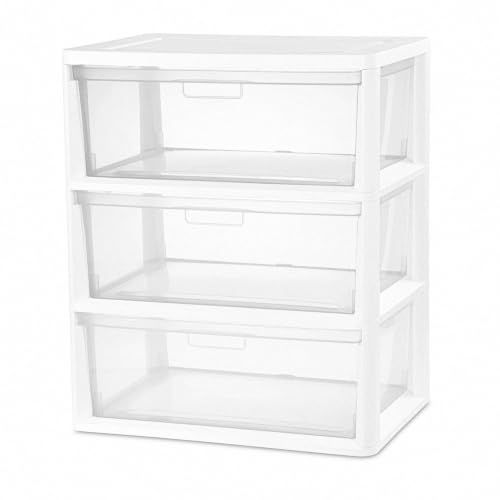
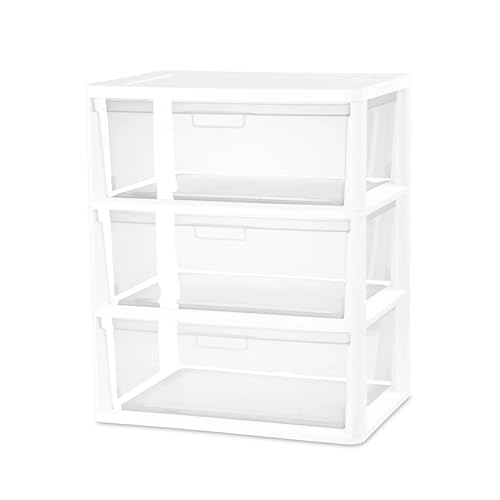
White 3 Drawer Dresser Plastic: The Complete Buyer's Guide
Lightweight, easy to clean, and surprisingly versatile — a white 3 drawer dresser made from plastic is one of the most practical storage solutions for modern homes. This guide breaks down everything you need to know before choosing one: materials, construction, safety, organization, and how to match the right tier to your needs.
Plastic dressers have moved far beyond the flimsy bins of the past. Today's white 3 drawer dresser plastic models are engineered with reinforced frames, smooth-gliding drawers, and clean finishes that fit seamlessly into bedrooms, nurseries, dorms, and even offices. If you're researching this category, you're likely looking for storage that is easy to move, simple to maintain, and structured enough to keep your space organized.
This guide is written for buyers who already know they want a compact plastic dresser and now need clarity on the details that actually matter. We'll cover how plastic compares to wood, what drawer capacities to expect, which safety features to prioritize, and how to organize a three-drawer unit effectively. By the end, you'll have a clear picture of which model fits your room and your routine.
For readers who want to compare this format against wood or engineered-wood alternatives, our broader white 3 drawer dresser guide covers the full spectrum of materials and styles.
Why Choose a White Plastic 3 Drawer Dresser?
A three-drawer plastic dresser occupies a sweet spot in the storage market. It is small enough to fit into tight corners, closets, and beside a bed, yet structured enough to hold a meaningful amount of clothing or supplies. The white finish adds a layer of practicality: it reflects light in small rooms, hides minor scuffs better than darker plastics, and blends with nearly any decor palette.
Here's what makes this category stand out:
- Lightweight portability: Most plastic dressers can be moved by a single person, making them ideal for renters, students, and anyone who rearranges furniture often.
- Moisture resistance: Unlike wood, plastic does not warp or swell in humid bathrooms or damp basements.
- Easy maintenance: A damp cloth and mild soap are usually all you need to keep the surface clean.
- Cost-effective entry into organized storage: Plastic models sit in the entry-level to mid-range tiers, offering a practical starting point before committing to solid wood furniture.
- Child-friendly options: Many models feature rounded edges and lightweight drawers that are easy for small hands to open.
Editor's note: If you're furnishing a nursery or a child's room, pair your plastic dresser with a wall-anchoring kit. Lightweight furniture should always be secured, especially in rooms where children play and climb.
Materials and Construction: What to Look For
Not all plastic dressers are built the same way. The quality of the resin, the thickness of the drawer walls, and the frame design all influence how long the unit will last and how smoothly it operates.
Types of Plastic Used
Most white plastic dressers use one of three materials:
- Polypropylene (PP): The most common choice. It is flexible, impact-resistant, and holds up well to daily use. Mid-range and premium plastic dressers often use thicker PP for the drawer walls.
- Polystyrene (PS): Stiffer and more rigid than PP, but more prone to cracking under heavy loads. Often found in entry-level models.
- ABS: A higher-grade plastic that offers better strength and a smoother finish. Less common in this category but appears in premium-tier units.
Frame and Drawer Design
Look for a dresser with a reinforced frame — often a molded plastic shell with internal ribs or a metal sub-frame. Drawer glides matter too: entry-level models may use simple molded runners, while mid-range and premium models use smooth-gliding tracks or ball-bearing slides for a more refined feel.
Drawer depth is another key variable. A standard three-drawer plastic dresser typically offers shallower drawers than wood equivalents, so consider what you plan to store. Folded t-shirts and leggings fit comfortably; bulky sweaters may need a deeper unit.
For buyers comparing plastic to other affordable materials, our guide to unfinished wood dressers explains what to expect from a more traditional construction path.
Sizing and Capacity: How Much Can a 3 Drawer Plastic Dresser Hold?
Three-drawer plastic dressers generally fall into a compact footprint — often around 24 to 30 inches wide and 26 to 30 inches tall. That makes them well-suited to small bedrooms, dorm rooms, and apartment living. But capacity varies significantly by build quality.
Here's a practical breakdown of what to expect across tiers:
| Tier | Typical Build | Best For | Drawer Feel |
|---|---|---|---|
| Entry-level | Thinner plastic walls, molded runners, lighter frame | Light clothing, accessories, craft supplies | Basic glide, occasional sticking |
| Mid-range | Reinforced frame, thicker drawers, smoother slides | Everyday clothing, linens, office items | Smooth, consistent glide |
| Premium | Heavy-duty resin, metal sub-frame, precision slides | Frequent use, heavier loads, long-term placement | Refined, quiet, near-wood feel |
If you need more storage volume without adding floor space, consider a taller format. Our vertical dresser guide explores upright designs that maximize height while keeping a small footprint.
Safety Features to Prioritize
Because plastic dressers are lightweight, tip-over prevention is the single most important safety consideration. The good news is that most reputable manufacturers now include or offer anti-tip hardware.
- Wall anchoring: Always use the included anti-tip strap or bracket. Secure the dresser to a wall stud whenever possible.
- Drawer stops: Look for integrated stops that prevent drawers from being pulled completely out, reducing the risk of injury and spills.
- Rounded edges: Especially important in nurseries and playrooms.
- Stable base: A wide, level base reduces wobble. Avoid placing the dresser on thick carpet without adjusting for stability.
For families with young children, our white 6 drawer dresser nursery guide offers additional context on safe storage configurations in child-focused rooms.
How to Organize a White 3 Drawer Plastic Dresser
Three drawers is enough to stay organized if you assign each one a clear purpose. A practical system looks like this:
- Top drawer: Small items — socks, underwear, accessories, or jewelry pouches. Use dividers or small bins to prevent clutter.
- Middle drawer: Folded tops — t-shirts, tank tops, light sweaters. Fold vertically (file-fold) so you can see everything at a glance.
- Bottom drawer: Bulkier items — jeans, pants, linens, or off-season clothing stored in vacuum bags.
Plastic drawers respond well to lightweight dividers and drawer organizers. Avoid overloading any single drawer, as excess weight strains the runners and frame over time. Rotating seasonal items keeps the unit functional year-round without requiring additional furniture.
If your organization needs extend beyond clothing, our underwear dresser guide covers compact drawer layouts for intimate apparel and accessories.
Plastic vs. Wood: Which Is Right for You?
The choice between plastic and wood comes down to priorities. Plastic wins on portability, moisture resistance, and easy cleaning. Wood wins on longevity, resale potential, and the tactile satisfaction of solid construction.
If you're furnishing a temporary space — a dorm, a rental, a first apartment — a white plastic three-drawer dresser is a practical, low-commitment solution. If you're investing in a permanent bedroom setup, a wood or engineered-wood dresser may be the better long-term choice. Our white 3 drawer dresser overview compares both paths in detail.
For a premium wood alternative with a similar compact footprint, explore walnut dressers or vintage white dressers for a more traditional aesthetic.
Ready to Organize Your Space?
Browse our curated selection of white 3 drawer plastic dressers and storage solutions.
View Recommended OptionsFrequently Asked Questions
What is a white 3 drawer dresser plastic best used for?
A white 3 drawer dresser plastic is ideal for lightweight storage needs such as organizing clothing, craft supplies, office items, or bathroom essentials. It works especially well in small spaces, dorms, apartments, and children's rooms where portability and easy cleaning are priorities.
How much weight can a plastic 3 drawer dresser hold?
Weight capacity varies by build quality. Entry-level plastic dressers typically hold lighter loads per drawer, while mid-range and premium models use reinforced frames and thicker drawer walls to support heavier items. Always check the manufacturer's recommended weight limit per drawer and per unit.
Is a plastic dresser safe for a nursery or children's room?
Yes, when properly secured. Plastic dressers are lightweight, so wall anchoring is essential to prevent tipping. Look for models with anti-tip straps or kits included, rounded edges, and drawer stops that prevent drawers from being pulled out completely.
How do I clean a white plastic 3 drawer dresser?
Wipe the surfaces with a damp cloth and mild soap. Avoid abrasive cleaners or scouring pads that can scratch the finish. For stubborn marks, a melamine sponge works well. Dry thoroughly to prevent water spots and keep the white finish looking fresh.
Final Thoughts
A white 3 drawer dresser plastic is a practical, adaptable piece of furniture that solves real storage problems without demanding a heavy investment or a permanent commitment. By focusing on build quality, safety anchoring, and a clear organization system, you can get years of reliable use from even a mid-range model. Use this guide to compare tiers, match capacity to your actual storage needs, and choose a unit that fits your room — not just your shopping cart.
For more storage inspiration, explore our guides on white 4 drawer dressers and white 5 drawer dressers to see how additional drawers change the organization equation.