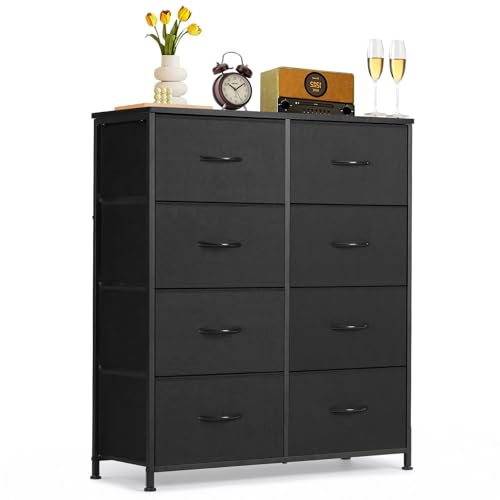
Underwear Dresser: The Complete Guide to Smart Bedroom Storage
Turn a cluttered drawer into a calm, organized morning routine. Learn how to choose the right dresser and set up an underwear drawer system that actually works.
Explore the GuideWhy an underwear dresser matters: Your underwear drawer is one of the most frequently opened spaces in your bedroom. When it is disorganized, every morning starts with friction. When it is set up well, getting dressed becomes fast, calm, and effortless. This guide covers the dresser styles, drawer layouts, and organization methods that make the biggest difference.
What Makes a Good Underwear Dresser?
An underwear dresser does not need to be large, but it does need to be well-organized and well-built. The best options share a few practical traits: shallow-to-medium drawers, smooth-gliding slides, and a footprint that fits naturally into your bedroom layout. Because underwear and socks are small items, deep drawers tend to swallow them and create clutter. Shallow drawers keep everything visible at a glance.
Durability matters just as much as layout. A dresser that is opened multiple times a day should have solid drawer boxes and reliable glides. Entry-level dressers often use basic metal slides, while mid-range and premium models typically add soft-close mechanisms and reinforced drawer bottoms. If you plan to keep the dresser for years, look for solid build quality and drawer stops that protect the frame.
- Drawer depth: Shallow-to-medium drawers (roughly a few inches deep) work best for folded underwear and socks.
- Drawer slides: Smooth, quiet glides reduce daily friction; soft-close is a welcome upgrade in mid-range and premium tiers.
- Interior finish: A smooth, snag-free interior protects delicate fabrics.
- Footprint: A narrow, vertical, or compact dresser can fit into small bedrooms without sacrificing storage.
- Safety: Anti-tip hardware is essential, especially in homes with children or pets.
Types of Underwear Dressers
There is no single correct dresser for underwear storage. The right choice depends on your room size, your collection, and how you like to organize. Below are the most practical options.
1. Compact and Narrow Dressers
Compact dressers are ideal for small bedrooms, apartments, and shared rooms. A narrow dresser with three or four drawers can hold a full underwear and sock collection while taking up minimal floor space. If you are working with a tight layout, a vertical dresser with deep drawers can also work well, though shallow drawers remain easier to organize.
2. Wide Dressers with Multiple Drawers
A wide dresser with five to six drawers gives you room to separate categories: daily underwear, athletic wear, sleepwear, and socks. This layout suits couples who share a dresser, or anyone who prefers a highly structured system. Wide dressers also provide a generous top surface for a mirror, jewelry tray, or small lamp.
3. Vertical and Tall Dressers
Vertical dressers use height instead of width, which makes them a strong choice for narrow walls and small footprints. A tall dresser with four to six stacked drawers can dedicate one or two drawers to underwear while keeping the rest for folded clothing. The trade-off is that upper drawers may be less accessible for shorter users, so plan the layout around your reach.
4. Dressers with Built-In Dividers
Some dressers ship with built-in drawer dividers or modular inserts. These are especially useful for underwear storage because they prevent small items from sliding around. If your dresser does not include dividers, adjustable drawer organizers are an easy addition and can be swapped out as your needs change.
How to Organize an Underwear Drawer
The dresser itself is only half the solution. The other half is the organization system inside the drawer. A simple, repeatable method keeps the drawer tidy week after week.
Step 1: Empty and Clean the Drawer
Start by removing everything from the drawer. Wipe the interior with a soft, slightly damp cloth and let it dry fully. This is also a good moment to sort through items and set aside anything that no longer fits or gets worn.
Step 2: Group by Category
Group items into clear categories: daily underwear, athletic pieces, sleepwear, socks, and any specialty items. Keeping categories separate makes the drawer easier to scan and reduces the chance of items getting buried.
Step 3: Add Dividers or Small Bins
Drawer dividers, small bins, or modular organizers create dedicated zones. Look for dividers that fit snugly without sliding, and choose smooth-edged materials that will not snag delicate fabrics. Adjustable dividers are the most flexible option because you can reconfigure them as your collection changes.
Step 4: Fold Upright
Instead of stacking items flat, fold them and stand them upright in a file-style arrangement. This lets you see everything at once and removes the need to dig through layers. It is the same principle used in many professional drawer organization systems, and it works especially well for underwear and socks.
Quick Tip: Keep the Daily Drawer at Hip Height
Place your most-used underwear drawer at hip height so you can open it and reach inside without bending or stretching. Reserve upper and lower drawers for seasonal or less frequently used items.
Materials and Build Quality
The material of your dresser affects both durability and how the drawer feels during daily use. Solid wood and high-grade engineered wood are common choices. Solid wood offers a long-term investment feel and can be refinished over time, while engineered wood with quality veneers provides a stable, consistent surface at a lower tier position in the market.
Pay attention to the drawer box and the slides. A reinforced drawer bottom handles daily opening and closing better than a thin panel. Metal slides with a smooth action are more durable than basic plastic glides. If the dresser has a painted or laminated finish, check that the interior is sealed to prevent splinters or snags.
| Tier | Typical Materials | Best For |
|---|---|---|
| Entry-level | Engineered wood with laminate or basic veneer | Starter setups, guest rooms, temporary living spaces |
| Mid-range | Engineered wood with quality veneer, some solid wood components | Primary bedrooms, daily-use dressers, long-term organization |
| Premium | Solid wood frames, reinforced drawer boxes, soft-close slides | High-frequency use, couples sharing storage, design-focused rooms |
| Luxury | Hardwood construction, hand-finished details, premium hardware | Statement furniture, long-term investment pieces, custom interiors |
Underwear Dresser Size Guide
Size is the most common source of buyer regret. A dresser that is too deep wastes space, while one that is too small forces overflow. Use the guide below to match the dresser to your room and collection.
| Dresser Type | Typical Drawer Count | Best For |
|---|---|---|
| Narrow / compact dresser | 3–4 drawers | Small bedrooms, apartments, single users |
| Standard wide dresser | 5–6 drawers | Couples, shared bedrooms, full underwear and sock collections |
| Tall / vertical dresser | 4–6 stacked drawers | Narrow walls, small footprints, vertical storage |
| Large dresser | 7–9 drawers | Primary suites, large collections, combined clothing storage |
If you are unsure, measure the wall space where the dresser will sit and leave clearance for drawer pull-out. A dresser that opens fully without blocking walkways is more comfortable to use every day. Also consider the height of the top surface: a dresser that doubles as a vanity or display surface should sit at a comfortable standing height.
Safety Considerations
Dresser tip-over is a real risk, especially with taller models and lightweight construction. Always use the anti-tip kit that comes with the dresser, and anchor it to a wall stud where possible. Avoid placing heavy items on top of a tall dresser, and keep the heaviest items in the lower drawers to improve stability.
If the dresser is in a child's room or a shared space, check that drawer stops prevent drawers from pulling all the way out. Soft-close slides also reduce the chance of pinched fingers. These small details make a meaningful difference in daily safety.
Ready to Upgrade Your Bedroom Storage?
Browse curated dressers and storage options that work beautifully for underwear organization and everyday bedroom use.
View Recommended OptionsKeeping Your Underwear Dresser in Great Shape
A well-maintained dresser stays smooth and quiet for years. Dust the interior drawers regularly, and wipe up spills promptly to prevent staining or swelling in engineered wood. Check the drawer slides every few months and tighten any loose screws. If the slides feel stiff, a small amount of silicone-based lubricant can restore smooth movement without attracting dust.
Rotate seasonal items out of the dresser to prevent overcrowding. Overfilled drawers strain the slides and make it harder to find what you need. A simple seasonal review keeps the drawer functional and extends the life of the furniture.
Frequently Asked Questions
What size dresser is best for underwear storage?
A mid-range dresser with four to six drawers is usually ideal. Look for drawers that are shallow to medium depth, so smaller items stay visible and accessible. A narrow or vertical dresser can work well in compact bedrooms where floor space is limited.
How should I organize underwear inside a dresser?
Use drawer dividers or small bins to separate categories such as daily wear, athletic, and sleepwear. Fold items upright using a file-style method so you can see everything at a glance. Keep the most frequently used drawer at hip height for easy reach.
Do I need a separate dresser just for underwear?
Not necessarily. Most people dedicate one or two drawers of an existing dresser to underwear and socks. A dedicated underwear dresser makes sense if you have a large collection or want a highly streamlined morning routine, but it is optional.
What drawer features matter most for underwear storage?
Smooth-gliding drawer slides, a soft-close mechanism, and dividers are the most useful features. Solid build quality and drawer stops also help prevent spills and wear over time. Interior lining that is smooth and easy to wipe clean is a bonus.