
Small Changing Pad for Dresser: A Complete Guide to a Safe, Space-Smart Nursery Station
Turn the top of your dresser into a secure, convenient diaper-changing station. Learn how to choose the right compact pad, install it safely, and keep your nursery organized without adding bulky furniture.
Explore Recommended OptionsWhy this guide matters: A small changing pad for a dresser is one of the most practical nursery purchases you can make, especially in a compact bedroom. It pairs the storage capacity of a dresser with a dedicated changing surface, so you avoid buying a separate changing table. This guide walks you through sizing, safety, materials, and setup so you can shop with confidence.
What Is a Small Changing Pad for a Dresser?
A small changing pad for a dresser is a compact, portable surface designed to sit on top of a dresser and provide a clean, cushioned area for diaper changes. Unlike full-size changing tables, these pads are sized to fit narrower dresser tops and are usually lightweight enough to move or store when not in use. They are a smart fit for small nurseries, shared bedrooms, and apartments where every square foot counts.
Most models fall into three broad categories: contoured pads with raised sides, flat pads with a simple rectangular shape, and folding travel-style pads that open into a compact changing surface. Each type has trade-offs in portability, ease of cleaning, and how much surface area it covers on your dresser.
Who this setup is for
- Parents with a compact nursery or a bedroom shared with a crib.
- Families who already own a sturdy dresser and want to avoid a second piece of furniture.
- Caregivers who need a portable changing surface that can move between rooms.
- Anyone setting up a secondary changing station on another floor of the home.
If you are still deciding between a dedicated changing table and a dresser-based setup, our guide to a small changing table dresser explains the trade-offs in more detail. For families who want extra storage built into the changing station, a small changing table with drawers may be a better long-term fit.
Key Features to Compare Before You Buy
Pad Size and Dresser Fit
Measure the usable top of your dresser first. A compact pad should leave a safety border on every side so it cannot overhang or slide. Narrow dressers pair best with flat pads, while deeper tops can accommodate contoured models.
Non-Skid Base and Attachment
A textured or rubberized bottom keeps the pad from sliding during a change. Safety straps or a mounting plate add a second layer of security and are especially important on smooth, painted dresser tops.
Contoured vs. Flat Surface
Contoured pads have raised sides that help keep a baby centered. Flat pads are easier to wipe clean and store. Both work well when the pad is properly secured and used with direct supervision.
Waterproof Cover and Cleanability
Look for a wipe-clean outer shell and a removable, machine-washable cover. This matters in daily nursery use, where spit-up and diaper changes happen frequently.
Foam Firmness
A firm foam core holds its shape and supports a baby better than soft filling. Firmer pads also tend to last longer across months of daily use.
Portability and Storage
Folding and travel-style pads are easy to tuck into a closet or carry to another room. If the pad stays on the dresser, a lightweight design makes cleaning underneath simpler.
Sizing Guide: Matching the Pad to Your Dresser
The most common mistake when buying a small changing pad for a dresser is choosing a pad that is too large for the dresser top. An overhanging pad can tip or slide, which creates an avoidable risk. Use the table below as a general reference, then confirm with your own measurements before ordering.
| Dresser Top Width | Recommended Pad Type | Best For |
|---|---|---|
| Narrow top (under 20 inches deep) | Flat compact pad or folding pad | Small bedrooms and tight footprints |
| Standard top (20 to 24 inches deep) | Contoured compact pad | Everyday nursery use with a centered baby |
| Deep top (over 24 inches deep) | Contoured pad with safety straps | Larger nurseries and secondary stations |
| Shared or multi-use dresser | Folding travel pad | Rooms where the dresser is used for other purposes |
As a rule of thumb, leave at least two to three inches of clear dresser surface on every side of the pad. That border prevents the pad from hanging over an edge and gives you room to tuck in a safety strap. If your dresser is especially compact, a small space dresser paired with a folding pad is a practical combination. For wider dressers that already hold clothing, a small dresser with drawers keeps diapers and wipes within arm's reach.
Materials and Build Quality
Changing pads sit directly against a baby's skin, so material quality matters for both comfort and hygiene. Most small dresser pads combine three layers: a wipe-clean outer shell, a foam core, and a cover or lining. Higher-tier models tend to use denser foam, reinforced seams, and covers that hold up to repeated washing.
- Outer shell: Waterproof and wipe-clean surfaces reduce moisture reaching the foam core.
- Foam core: Firm, high-density foam holds shape and supports a baby better than soft filling.
- Cover: Removable, machine-washable covers simplify daily cleanup.
- Safety straps: Reinforced straps and buckles are a sign of a more carefully built pad.
- Non-skid base: A textured underside keeps the pad in place on painted or sealed wood.
Entry-level pads often use thinner foam and a basic vinyl shell. Mid-range models typically add a removable cover and a more secure attachment system. Premium pads tend to combine denser foam, softer fabrics, and more robust safety hardware. None of these tiers is inherently better for every family; the right choice depends on how often the pad will be used and whether it will stay in one place or move between rooms.
Safety Setup: Making a Dresser Changing Station Secure
Safety first: supervision and attachment
A changing pad on a dresser is an elevated surface, and no product replaces direct adult supervision. Follow these practices every time you use the station:
- Keep one hand on the baby at all times during a change.
- Never leave a baby unattended on a dresser, even for a moment.
- Attach the pad with its safety strap or mounting plate and check the fit regularly.
- Confirm the pad does not overhang the dresser edge.
- Keep diapers, wipes, and supplies within reach so you do not step away.
- Place the dresser against a wall or anchor it to prevent tipping.
Beyond supervision, the two biggest safety factors are attachment and dresser stability. A pad with a non-skid base is a good start, but a safety strap or screw-mounted anchor plate is what actually prevents movement. If your dresser is tall or lightweight, anchoring it to the wall is strongly recommended, especially in a nursery where a child may pull on drawers later.
Keep the changing surface clear of loose blankets, pillows, and soft toys. A firm, flat pad with a fitted cover is easier to keep clean and safer for a baby than a nest of soft bedding. For families building a full nursery storage plan, a solid wood changing table dresser offers a more permanent alternative with built-in drawer storage.
Organizing the Dresser-Top Station
A small changing pad for a dresser works best when the surrounding dresser top is treated as a compact, self-contained station. Aim to keep only the essentials within arm's reach: diapers, wipes, a changing cloth, diaper cream, and a small laundry bag for soiled items. Everything else can live in the dresser drawers below.
- Use a small caddy or basket to group supplies and prevent clutter.
- Place a waterproof liner under the pad to protect the dresser finish.
- Keep a spare cover folded in a nearby drawer for quick changes.
- Rotate diaper sizes and wipes stock so you never run out mid-change.
If the dresser top feels crowded, a small dresser for bedroom with a clear top surface can make the station easier to maintain. For a dedicated vanity-style setup, a small vanity table with storage can double as a changing surface in a guest room or secondary nursery.
Cleaning and Maintenance
Daily cleaning is straightforward with a waterproof pad: wipe the surface with a mild soap solution or a baby-safe disinfecting wipe, then dry it thoroughly. If the pad has a removable cover, wash it according to the care label and keep a spare on hand. Check the safety strap, buckles, and non-skid base every week for wear, and replace any pad with cracked foam or a torn shell.
Inspect the dresser top itself for moisture damage, especially if the finish is painted or veneered. A waterproof liner under the pad is a simple way to protect the surface. If you notice the pad sliding even with a non-skid base, add the safety strap or reposition the pad so it sits fully within the dresser top.
Common Mistakes to Avoid
- Buying before measuring. Confirm the dresser top dimensions and leave a safety border.
- Skipping the safety strap. A non-skid base alone is not enough on a smooth surface.
- Using a soft, sink-in pad. Firm foam supports a baby better and holds its shape.
- Leaving supplies out of reach. Keep everything you need within arm's length.
- Ignoring dresser stability. Anchor tall or lightweight dressers to the wall.
- Keeping the pad on a shared dresser. Move it aside when the dresser is used for other tasks.
Frequently Asked Questions
What size changing pad fits on a dresser?
Most small changing pads for dressers measure around 16 by 30 inches or slightly smaller. Measure the usable top depth and width of your dresser, then choose a pad that leaves a safety border of at least two to three inches on every side so the pad cannot shift or overhang.
Can I use a changing pad on a dresser safely?
Yes, when the setup is stable and supervised. Choose a pad with a non-skid base, attach it securely with safety straps or a mounting bracket, keep one hand on the baby at all times, and never leave a child unattended on any elevated surface, including a dresser with a changing pad.
Is a contoured or flat changing pad better for a dresser?
Contoured pads with raised sides help keep a baby centered and are popular for dresser-top stations. Flat pads are easier to clean, fold, and store, and they work well when the dresser top is narrow. Both types are safe when secured properly and used with direct supervision.
How do I secure a changing pad to a dresser?
Use the safety strap or mounting hardware included with the pad. Screw the anchor plate into the back of the dresser or route the strap around the dresser top so the pad cannot slide. Confirm the pad has a non-skid bottom, and check the attachment regularly for looseness.
What materials are best for a small dresser changing pad?
Look for a waterproof outer shell, a firm but cushioned foam core, and a non-toxic cover that wipes clean. Removable, machine-washable covers are a practical choice. Avoid pads with soft, sink-in filling, since a firmer surface helps keep a baby in a stable position.
Final Thoughts
A small changing pad for a dresser is a smart, space-saving solution for compact nurseries and secondary changing stations. The key is to measure your dresser first, choose a pad with a non-skid base and a reliable safety strap, and treat the setup as an elevated surface that always requires direct supervision. With the right pad and a well-organized dresser top, you get a convenient changing station without adding another piece of furniture.
For more space-conscious furniture ideas, explore our guides to a small dresser for small bedroom and a small chest of drawers to complete your nursery storage plan.
Recommended Small Changing Pads for Dressers
⚠️ AFFILIATE DISCLOSURE: This website contains affiliate links. As an Amazon Associate, we earn from qualifying purchases. If you make a purchase through these links, we may receive a small commission at no additional cost to you. Read our full affiliate policy.

YENING Small Changing Pad Mini 29 x 15 with Washable Cover Waterproof Baby Diaper Changing Pad for Dresser Table Pad White
Check price on Amazon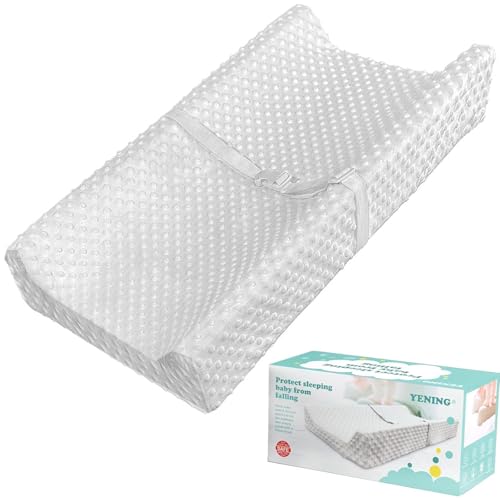
YENING Mini Changing Pad Small 23 x 13 with Washable Cover Waterproof Baby Diaper Changing Pad for Dresser Table Pad Grey
Check price on Amazon
YENING Small Changing Pad Mini 23 x 13 with Washable Cover Waterproof Baby Diaper Changing Pad for Dresser Table Pad White
Check price on Amazon
YENING Mini Baby Diaper Changing Pad for Dresser Top with Cover 27" x 16", Waterproof Lining Small Foam Contoured Changing Table Pads Topper White
Check price on Amazon
Dream On Me Lotti Love Baby Changing Pad, Waterproof, Contoured Design with Safety Strap, Soft Wipe-Clean Surface, Secure Nursery Changing Pad, Magnolia White
Check price on Amazon
YENING Wipeable Changing Pad for Dresser Waterproof Leather Baby Diaper Changing Pads Washable Nursery Change Mat Beige
Check price on Amazon
JVEOO Waterproof Baby Changing Pad Wipeable Diaper Changing Mat | Non-Slip with Safety Strap 31.5x16 Inch Infant Diaper Change Pad Suitable for Dresser & Table Baby Changer
Check price on Amazon