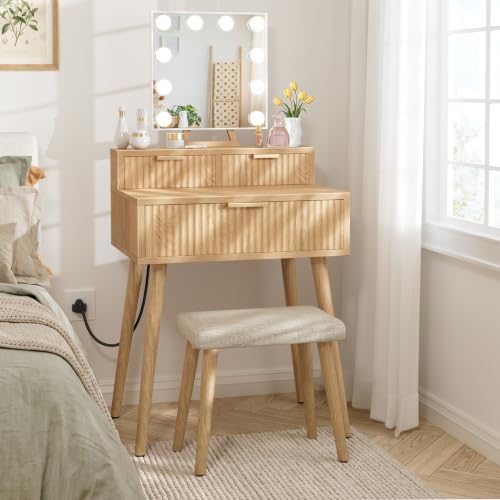
Small Bedroom Vanity with Drawers: The Complete Guide to Choosing a Space-Saving Beauty Station
A compact vanity with drawers transforms a tiny bedroom corner into a functional grooming and storage zone. This guide breaks down dimensions, drawer layouts, materials, and styling so you can pick the right piece with confidence.
Explore Buying CriteriaWhy a small vanity with drawers deserves a place in your bedroom: In compact bedrooms, every square foot matters. A thoughtfully designed vanity combines a grooming surface with hidden storage for jewelry, skincare, cosmetics, and accessories — eliminating clutter while giving you a dedicated daily routine space. Unlike a plain dressing table, a drawer-equipped model keeps essentials out of sight and within arm's reach.
Key Criteria When Buying a Small Vanity with Drawers
Before browsing styles, understand the four factors that determine whether a vanity will actually work in your bedroom: footprint, drawer layout, material durability, and ergonomic height. Getting these right prevents the frustration of a piece that looks beautiful but fails in daily use.
Footprint & Placement
Measure the available wall width, doorway clearance, and walking path. A depth of 15–18 inches is typical for compact models, while widths range from 24 to 42 inches. Corner placements and floating wall-mounted designs can free up floor area in tighter rooms.
Drawer Configuration
Two to four drawers is the sweet spot for small vanities. Shallow top drawers suit jewelry and cosmetics; deeper lower drawers hold skincare bottles, hair tools, or folded accessories. Soft-close mechanisms reduce noise and wear in shared bedrooms.
Material & Finish
Solid wood and high-grade engineered wood offer the best balance of durability and stability. Painted finishes hide scratches well; wood veneers add warmth. Check that drawer interiors are lined or sanded smooth to protect delicate items.
Height & Seating
Standard vanity height is 28–30 inches, which accommodates most standard stools and chairs. If you plan to sit daily, confirm knee clearance and choose a stool height that lets your forearms rest comfortably on the surface.
Comparing Vanity Tiers: Entry-Level, Mid-Range, and Premium
Vanities occupy different positions in the market depending on construction method, hardware quality, and finish detail. The table below uses neutral tier descriptors so you can match expectations to build quality without relying on transient market figures.
| Tier | Typical Construction | Drawer Hardware | Best For |
|---|---|---|---|
| Entry-Level | Engineered wood with laminate or paper veneer; assembled or flat-pack | Standard side-mounted slides; basic knobs | Guest rooms, first apartments, temporary setups |
| Mid-Range | Engineered wood with wood veneer or painted finish; sturdier joinery | Ball-bearing slides; soft-close on select drawers | Primary bedrooms with daily use |
| Premium | Solid wood frames and drawer fronts; dovetail or reinforced joinery | Full-extension soft-close slides; solid metal pulls | Long-term installations and design-focused rooms |
| Luxury | Hardwood solids with hand-finished details; custom hardware | Premium undermount slides; felt-lined drawers | Statement pieces in well-appointed bedrooms |
Drawer Layouts That Work in Small Spaces
The drawer arrangement matters as much as the drawer count. A well-planned interior keeps your routine smooth and prevents the surface from becoming a catch-all.
- Stacked shallow drawers: Ideal for cosmetics, jewelry, and small accessories. Keep the top drawer for daily items and lower drawers for less frequent use.
- One deep + two shallow: A versatile layout for hair tools, skincare bottles, and folded textiles alongside smaller items.
- Side-by-side configuration: Works well under a wider surface; each drawer stays shallow enough to see contents at a glance.
- Pull-out tray or divider insert: Many mid-range and premium models include removable organizers that adapt to changing storage needs.
Placement Ideas for Compact Bedrooms
Where you place the vanity affects both function and flow. Consider these arrangements before committing to a model:
- Between windows or wall segments: A narrow vanity (24–30 inches wide) fits neatly into recessed wall areas and benefits from natural light.
- Adjacent to the bed: Acts as a nightstand-and-vanity hybrid, keeping nighttime essentials and morning grooming items in one zone. Explore coordinated dresser and nightstand sets if you prefer matching furniture.
- Inside or near a closet: A compact vanity with drawers can double as a dressing station when placed just outside a closet. See dressers with hanging rods for combined storage solutions.
- Floating installation: Wall-mounted vanities free up floor space and make small rooms feel less crowded; confirm wall stud placement and weight capacity first.
Materials and Finishes: What Holds Up Over Time
Moisture exposure from skincare products and occasional spills makes finish quality important. Solid wood and high-grade engineered wood resist warping better than thin laminates. Painted finishes are easy to touch up; wood veneers hide minor scuffs naturally. For bedrooms with limited ventilation, choose sealed surfaces that wipe clean without absorbing residue.
If you want to coordinate the vanity with existing storage, review small white dressers with mirrors or light wood dressers with gold hardware for matching finish palettes.
Ergonomics and Comfort for Daily Use
A vanity is a routine-use surface, so comfort matters. Aim for a surface height that lets your elbows rest at roughly 90 degrees when seated. Allow at least 20 inches of knee clearance if the vanity has drawers extending to the floor. A mirror mounted at eye level — or a tilting mirror — reduces neck strain during grooming. Lighting should come from the front or sides rather than directly overhead to minimize shadows on the face.
Frequently Asked Questions
How wide should a small bedroom vanity be?
Most compact vanities range from 24 to 42 inches wide. For very tight spaces, 24–30 inches is workable if the depth stays around 15–18 inches and the drawer count is limited to two or three.
Can a vanity with drawers replace a dresser?
Only in very small rooms with minimal storage needs. A vanity typically holds grooming items and accessories rather than full wardrobes. Pair it with a small chest of drawers or a low dresser with drawers for complete bedroom storage.
What drawer slides work best for a vanity?
Soft-close ball-bearing slides are the practical standard for daily use. Premium models use full-extension undermount slides, which allow complete access to the drawer interior and reduce wear over time.
Is a wall-mounted vanity better for small rooms?
Wall-mounted vanities free up floor space and visually lighten the room, but they require secure wall anchoring. Freestanding models are easier to relocate and often offer more drawer capacity in the same footprint.
How do I coordinate a vanity with other bedroom furniture?
Match finish tone and hardware style rather than exact model numbers. A vanity in the same wood family as your mid-century dresser or brown wood dresser creates visual cohesion without requiring a matched set.
Ready to Choose Your Small Bedroom Vanity?
Use the criteria in this guide — footprint, drawer layout, material tier, and ergonomic height — to narrow your options. Browse curated recommendations below to compare features and availability.
View Recommended Vanities