Replacing Kitchen Drawers: A Complete Guide
Everything you need to know about replacing kitchen drawers — from choosing the right style and materials to hardware selection and installation. Make your kitchen work better for you.
Start LearningWhy replace kitchen drawers? Kitchen drawers endure daily wear — constant opening, closing, and heavy loads. Over time, drawer fronts may crack, slides may fail, or the style may simply feel outdated. Replacing kitchen drawers is one of the most practical upgrades you can make, improving both functionality and the visual appeal of your kitchen without a full renovation.
Signs It's Time to Replace Your Kitchen Drawers
Knowing when to replace rather than repair saves time and prevents bigger problems. Here are the most common indicators that your kitchen drawers need attention:
- Sticking or jamming: Drawers that no longer glide smoothly often signal worn slides or warped boxes.
- Sagging or misalignment: A drawer that droops or doesn't close flush usually means the box or hardware has failed.
- Cracks and splits: Visible damage to drawer fronts or sides compromises structural integrity.
- Outdated style: Old-fashioned fronts can make an otherwise modern kitchen feel dated.
- Broken hardware: Pulls that rip out or slides that won't stay on track are clear replacement signals.
- Water damage: Swelling or delamination near sinks and dishwashers often requires replacement rather than repair.
Types of Kitchen Drawers
Understanding the different drawer types helps you choose the right replacement for your cooking space. For those also exploring broader storage solutions, our guide on chest of drawers with deep drawers offers useful insights into deep-drawer configurations.
Standard Drawers
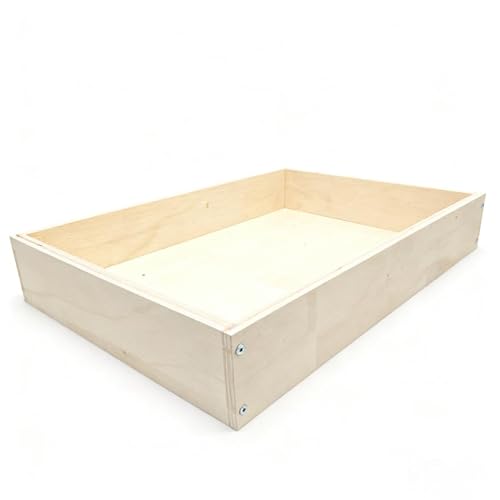
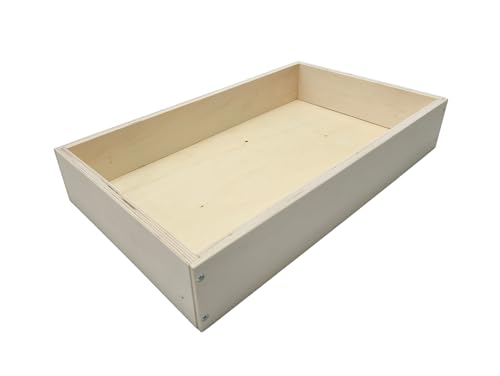
Traditional side-mount or under-mount drawers designed for utensils, cutlery, and everyday items. These are the most common type in kitchen cabinetry and are straightforward to replace.
Deep Drawers
Ideal for pots, pans, and large cookware. Deep drawers maximize vertical storage and often use heavy-duty slides. See our 20-inch heavy-duty drawer slides guide for hardware recommendations.
Pull-Out Drawers
These extend fully from the cabinet, making it easy to reach items at the back. They're excellent for corner cabinets and lower storage areas.
Drawer Fronts Only
If your drawer boxes are still sound, replacing only the replacement kitchen drawer fronts is an efficient way to refresh the look of your kitchen.
Soft-Close Drawers
Equipped with dampening mechanisms that prevent slamming. These are a popular upgrade in modern kitchens and are widely available as replacement options.
Pull-Out Trash & Recycling
Specialty drawers designed to conceal waste bins. They require specific hardware and mounting considerations during replacement.
Choosing the Right Materials
Material choice directly affects durability, appearance, and maintenance. Here's how the most common kitchen drawer materials compare:
| Material | Best For | Durability Tier | Key Characteristics |
|---|---|---|---|
| Solid Wood | Traditional and custom kitchens | Premium to luxury | Heavy-duty construction, repairable, natural grain; requires periodic sealing |
| Plywood | Everyday kitchen use | Mid-range | Stable, moisture-resistant, strong screw-holding; a balanced choice for the category |
| MDF (Medium-Density Fiberboard) | Painted or laminate drawer fronts | Entry-level to mid-tier | Smooth surface, consistent finish; less moisture-tolerant than plywood |
| Particleboard | Entry-level cabinet boxes | Essential tier | Uniform and economical; not ideal for high-moisture areas |
| Metal (Stainless/Aluminum) | Modern, commercial-style kitchens | High-end tier | Rust-proof finish options, easy to clean, contemporary aesthetic |
Measuring for Replacement Drawers
Accurate measurements are the foundation of a successful replacement. Measure the opening (the cabinet face cut-out), not the old drawer, and take measurements at the front, middle, and back to account for any irregularities. For kitchens with space constraints, our guide on shallow dressers for small spaces shares principles that apply equally to shallow kitchen drawers.
- Width: Measure the cabinet opening width at the top, middle, and bottom; use the smallest measurement.
- Height: Measure the opening height at both sides; account for clearance needed for slides.
- Depth: Measure from the cabinet face to the back panel, minus space for the slide mechanism.
- Slide type: Note whether your cabinet uses side-mount, under-mount, or center-mount slides — this determines the drawer box design.
If you're also considering a complete cabinet refresh, our article on kitchen cabinet doors and drawers covers how drawer and door replacement work together for a cohesive result.
Hardware and Drawer Slides
Hardware is where function meets form. The right slides make drawers feel effortless, while quality pulls add the finishing touch:
Side-Mount Slides
The most common and straightforward option. They attach to the sides of the drawer box and cabinet, making them a practical choice for retrofits. Mid-range models typically offer smoother operation than entry-level versions.
Under-Mount Slides
Concealed beneath the drawer, these provide a cleaner look and smoother glide. Soft-close under-mount slides are a top-tier upgrade for a polished kitchen feel.
Soft-Close Mechanisms
Dampeners that pull the drawer closed gently in the final inches. They reduce noise and wear, and are available as integrated slides or add-on dampers.
Drawer Pulls & Knobs
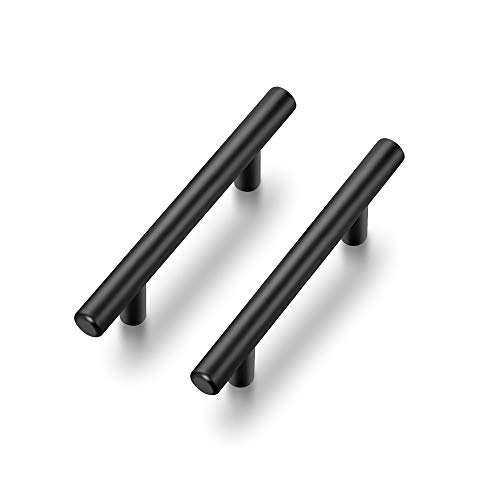
From bar pulls to cup handles, hardware sets the style tone. Match finishes to your other kitchen fixtures for a cohesive look. Heavy-duty options are recommended for deep or frequently used drawers.
The Installation Process, Step by Step
Replacing kitchen drawers is a manageable DIY project for most homeowners. Follow this sequence for a smooth result:
- Remove the old drawer: Pull it out fully, then release the slide tabs or unscrew the mounting brackets.
- Inspect the cabinet: Check the cabinet frame for damage and confirm the slide mounting points are sound.
- Prepare the new drawer: If assembling from a kit, follow the manufacturer's instructions and pre-drill screw holes.
- Install the slides: Attach cabinet-side slides first, then drawer-side slides, keeping them level and parallel.
- Insert and test: Slide the drawer in, check alignment, and adjust the slide tabs or screws until it glides smoothly.
- Attach the front and hardware: Mount the drawer front and pulls, then make final alignment adjustments.
For those replacing drawers in a broader storage context — such as bedroom or hallway cabinetry — the sizing and alignment principles in our solid wood dresser buying guide provide complementary guidance.
Matching Drawer Style to Your Kitchen
Drawer fronts are a major visual element in any kitchen. Choose a style that harmonizes with your cabinets and overall design:
Shaker Style
A recessed center panel with a simple frame. Versatile and timeless, Shaker fronts suit both traditional and transitional kitchens.
Flat Slab
A clean, unadorned surface that fits modern and minimalist kitchens. Easy to clean and available in a wide range of finishes.
Raised Panel
Classic and ornate, raised-panel fronts add depth and formality. Best suited to traditional or period-style kitchens.
Beadboard
Vertical grooves create a cottage or farmhouse feel. A charming option for rustic and country-inspired kitchens.
Ready to Upgrade Your Kitchen Storage?
Explore our curated selection of kitchen drawers, slides, and hardware below. Each option is chosen for durability, function, and design — helping you make a confident choice for your kitchen.
View Recommended ProductsFrequently Asked Questions
Final Thoughts
Replacing kitchen drawers is a smart, targeted upgrade that improves daily function and refreshes your kitchen's appearance. By understanding drawer types, selecting the right materials for your climate and use, measuring carefully, and choosing quality hardware, you can complete the project with confidence.
Whether you're replacing worn-out slides, upgrading to soft-close mechanisms, or refreshing drawer fronts for a new look, the options below are selected to help you make an informed decision. Take your time, measure twice, and enjoy a kitchen that works as beautifully as it looks.