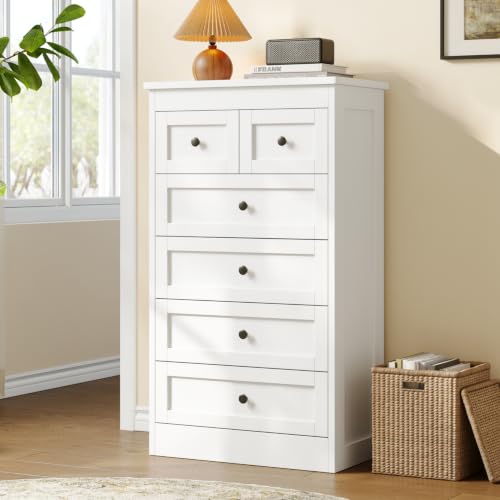
Modern Tall Dresser: Vertical Storage Done Right
Learn how to choose a modern tall dresser that fits your space, protects your belongings, and elevates your bedroom design — without sacrificing floor area.
START THE GUIDEWhy this guide matters: A modern tall dresser is one of the most space-efficient storage investments you can make for a bedroom. But height, drawer layout, and build quality vary enormously between models. This guide walks you through every decision point so you can buy with confidence rather than guesswork.
What Defines a Modern Tall Dresser?
A modern tall dresser is a vertical storage piece characterized by a compact footprint, a height of roughly 40 to 60 inches, and a clean, contemporary aesthetic. Unlike wide horizontal dressers that spread across a wall, tall dressers stack their drawers upward, making them an excellent fit for narrow bedrooms, apartments, and shared spaces where floor area is limited but vertical wall space is available.
In modern design language, these pieces typically feature flush drawer fronts, minimal or handle-free hardware, straight or softly tapered legs, and finishes ranging from matte white and natural oak to deep walnut and charcoal. The look is intentionally restrained, allowing the dresser to blend into a wide range of bedroom styles without dominating the room.
If you are still comparing broad categories, our overview of modern chest of drawers covers how tall dressers relate to chests, lowboys, and other storage formats. For buyers who want a more traditional silhouette, the mission dresser offers a contrasting reference point with its craftsman lines and exposed joinery.
Why Choose a Tall Dresser for Your Bedroom?
A tall dresser solves a specific set of problems that horizontal dressers cannot address as effectively. Understanding these advantages helps you decide whether this format is genuinely right for your room.
- Space efficiency: The narrow footprint frees up floor area for walking paths, bedside access, and other furniture. This is especially valuable in smaller primary bedrooms and guest rooms.
- Vertical storage density: Stacking five or six drawers in a compact column delivers a surprising amount of storage without the wide wall footprint of a low dresser.
- Ergonomic drawer access: Frequently used drawers sit at waist and chest height, reducing bending and reaching compared with deep low drawers.
- Design flexibility: A tall dresser works as a standalone statement piece or paired with a nightstand set, and it can double as a slim storage column in a closet or hallway.
- Visual height: In rooms with high ceilings, a tall dresser adds vertical balance and draws the eye upward, making the space feel more proportioned.
If you are working with a genuinely tight floor plan, compare this format with dedicated narrow dresser options that prioritize width reduction even further, or explore modern dressers for the bedroom for broader styling context.
Key Features to Evaluate Before Buying
1. Height and Reachability
Height is the defining feature of a tall dresser, and it is also where buyers most often make mistakes. Measure the distance from the floor to the top of the highest drawer you will use daily. For most adults, a top drawer at 48 to 56 inches is comfortable; beyond that, upper drawers become storage for seasonal or infrequent items. If multiple people of different heights share the dresser, prioritize a layout where the middle drawers handle daily clothing and the top drawers hold occasional items.
Also confirm that the dresser top does not block wall outlets, light switches, or window trim. A tall piece placed against a wall with a low window can look awkward and may obstruct natural light.
2. Drawer Count and Layout
Modern tall dressers most commonly offer four to six drawers. The layout matters more than the raw count:
- Five-drawer layouts are the most versatile, usually combining a shallow top drawer for accessories with progressively deeper lower drawers for folded clothing.
- Six-drawer layouts suit buyers with extensive wardrobes or those who want to separate clothing by category.
- Four-drawer layouts with deep drawers work well for bulky items such as sweaters, linens, and bedding.
Check the interior drawer dimensions, not just the exterior footprint. A tall dresser with generous depth (typically 16 to 20 inches) stores significantly more than a shallow one, which matters when every drawer counts. For buyers who prefer a different drawer count entirely, our guides to the modern 4-drawer dresser and modern 6-drawer dresser break down those formats in detail.
3. Drawer Glides and Soft-Close Mechanisms
Drawer hardware is where quality differences become obvious. Entry-level tall dressers often use basic side-mounted roller glides, which function adequately but can feel loose over time. Mid-range models typically upgrade to ball-bearing side glides or undermount slides, offering smoother operation and better weight support. Premium and luxury pieces frequently include soft-close undermount slides that prevent slamming and protect the drawer box.
If quiet, controlled drawer movement matters to you, look specifically for models marketed with soft-close hardware. Our article on the modern dresser with soft-close drawers explains what to look for and how this feature affects long-term satisfaction.
4. Materials and Construction
Construction quality determines how a tall dresser ages under daily load. A tall, narrow piece carries more vertical stress than a low, wide one, so joinery and back-panel reinforcement deserve extra attention.
- Solid wood: Oak, walnut, maple, and ash offer the best durability and can be refinished over time. Look for dovetail or box joinery on drawer fronts.
- Wood veneer over engineered core: A practical mid-range choice that delivers a consistent modern finish with good stability. Quality veneers resist warping better than solid wood in humid climates.
- Engineered wood with laminate: Common in entry-level pieces. Acceptable for light use, but check drawer weight ratings and avoid overloading upper drawers.
- Metal accents and hardware: Modern designs often use powder-coated steel legs or frames. Confirm that finishes are described as rust-resistant or powder-coated for longevity.
For a deeper comparison of wood species and finishes, see the materials and finishes resources linked throughout this site.
5. Stability and Anti-Tip Safety
Any tall furniture piece carries a tipping risk if drawers are left open, especially when multiple drawers are extended at once. Modern tall dressers mitigate this through wider bases, interlocking drawer systems, and reinforced back panels — but wall anchoring remains essential. Confirm that the dresser includes an anti-tip kit and use it. This is non-negotiable in households with children or pets.
Modern Tall Dresser Styles Compared
Modern is a broad label. The table below maps common modern sub-styles to their visual signatures and practical considerations so you can identify the look that fits your room.
| Style | Visual Signature | Best For |
|---|---|---|
| Minimalist modern | Flush fronts, handle-free or recessed pulls, matte finishes | Clean, uncluttered bedrooms and small spaces |
| Mid-century modern | Tapered legs, warm wood tones, angled profiles | Retro-inspired rooms and wood-accented interiors |
| Scandinavian | Light oak or white finishes, slim legs, functional detailing | Bright, airy bedrooms and compact apartments |
| Industrial modern | Black metal frames, wood tops, exposed hardware | Loft-style rooms and mixed-material interiors |
| Contemporary gloss | Lacquered fronts, mirrored or glass accents, sleek lines | Polished, high-contrast modern bedrooms |
If you want to explore a specific look further, the modern wood dresser guide covers natural-finish options, while the modern white dresser with gold hardware page illustrates how metallic accents shift the feel of an otherwise minimal piece.
Quality Tiers: What to Expect at Each Level
Modern tall dressers span a wide range of construction quality. Rather than focusing on numbers, use these tier descriptors to benchmark what a given model offers relative to the market.
Entry-Level Tier
Engineered wood with laminate or foil finishes, basic side-mounted glides, and straightforward assembly. Suitable for guest rooms, rentals, and light daily use. Expect a functional design rather than refined detailing.
Mid-Range Tier
Wood veneers over stable engineered cores, ball-bearing or undermount glides, and more consistent finishing. A solid choice for primary bedrooms where the dresser sees daily use and should hold up over several years.
Premium Tier
Solid hardwood construction in key areas, dovetail drawer joinery, soft-close hardware, and refined hardware finishes. Designed for long-term ownership and often backed by longer warranties.
Luxury Tier
Full solid-wood construction, hand-finished surfaces, premium soft-close systems, and design-forward detailing. A long-term investment piece intended to anchor a bedroom for many years.
When comparing models within the same tier, prioritize drawer glide quality and joinery over cosmetic details — these are the components that determine how the dresser feels after years of use. Buyers who want a compact but design-forward option may also appreciate the modern 3-drawer dresser format as a smaller companion piece.
How to Measure Your Space for a Tall Dresser
Tall dressers fail in a room for two reasons: they are too deep for the walking path, or the top drawers are unreachable in practice. Follow this measuring sequence before you commit:
- Measure the wall segment where the dresser will stand, including any baseboard protrusion.
- Measure the walking clearance in front of the dresser. Aim for at least 24 inches of clearance so drawers can open fully without blocking the room.
- Check ceiling and window heights to confirm the dresser top will not clash with trim or block light.
- Test reachability by marking the proposed top height on the wall and checking whether the highest daily-use drawer is comfortable for every user.
- Confirm door and stair clearance for delivery, especially for taller pieces that arrive assembled.
If your wall segment is unusually short, a narrow dresser for a small bedroom may be a better fit than a standard-width tall dresser. Pairing a tall dresser with a matching nightstand dresser can also create a cohesive storage arrangement without adding floor clutter.
Organizing a Tall Dresser Effectively
A tall dresser's stacked layout rewards thoughtful organization. Because drawers are vertically separated, assign categories by height rather than by habit:
- Top drawers: accessories, socks, underwear, and items used less frequently.
- Middle drawers: daily clothing such as shirts, t-shirts, and folded tops — these sit at the most ergonomic height.
- Lower drawers: bulkier items including sweaters, jeans, linens, and off-season clothing.
Use drawer dividers in shallow top drawers and consider vertical folding for middle drawers to maximize visibility. Rotating seasonal clothing to the lowest drawers keeps daily-use items within easy reach year-round. For a full walkthrough, see our dresser organization guide linked from the buying guides section.
Common Buying Mistakes to Avoid
- Ignoring drawer depth: A tall dresser with shallow drawers stores far less than its exterior suggests. Always check interior dimensions.
- Overlooking wall anchoring: Skipping the anti-tip kit is the most common and most preventable safety error with tall furniture.
- Choosing style over reachability: A dramatic 60-inch dresser looks striking but may put daily-use drawers out of comfortable reach for shorter users.
- Assuming all soft-close hardware is equal: Undermount soft-close slides perform very differently from basic side glides with a dampener. Read the hardware specification carefully.
- Mismatching scale: A tall, narrow dresser beside a very low bed can look unbalanced. Consider the visual weight of surrounding furniture before committing.
Frequently Asked Questions
How tall should a modern tall dresser be?
Most modern tall dressers stand between 40 and 60 inches high, with the top surface typically landing between chest and eye level for an average adult. This height keeps frequently used drawers within easy reach while adding substantial vertical storage without consuming extra floor space. Always confirm the exact dimensions and check that the top drawers are reachable for every user in the household.
Is a modern tall dresser safe for a bedroom with children?
A tall dresser should always be anchored to the wall using the anti-tip kit supplied by the manufacturer, especially in homes with children or pets. Modern tall dressers often feature interlocking drawer mechanisms and reinforced backs that improve stability, but wall anchoring remains the single most important safety step regardless of the design.
What is the difference between a tall dresser and a chest of drawers?
The terms overlap considerably. A tall dresser generally refers to a vertical storage piece with a relatively narrow footprint and four or more stacked drawers, often styled for bedroom use. A chest of drawers can be taller or shorter and is sometimes defined by deeper drawers and a more traditional profile. In practice, many retailers use the labels interchangeably, so focus on dimensions, drawer layout, and build quality rather than the name alone.
How many drawers should a modern tall dresser have?
Most modern tall dressers offer four to six drawers, with five-drawer configurations being especially common. A five-drawer layout typically provides a mix of shallow top drawers for accessories and deeper lower drawers for folded clothing. Choose based on what you plan to store: more shallow drawers suit accessories and delicates, while fewer deep drawers work well for bulky items like sweaters and linens.
What materials are best for a modern tall dresser?
Solid wood and high-quality wood veneers over engineered cores offer the best combination of durability and refined appearance. Oak, walnut, maple, and ash are popular for modern designs, often finished with matte lacquer or natural oils. Engineered wood with durable laminate can be a solid choice in the entry-level and mid-range tiers, while premium and luxury pieces typically use solid hardwood, dovetail joinery, and soft-close drawer hardware.
Ready to Choose Your Modern Tall Dresser?
Use the curated selection below to compare modern tall dressers across styles, drawer layouts, and construction tiers. Every option is presented with clear specifications so you can match a piece to your room and storage needs.
EXPLORE RECOMMENDED OPTIONS