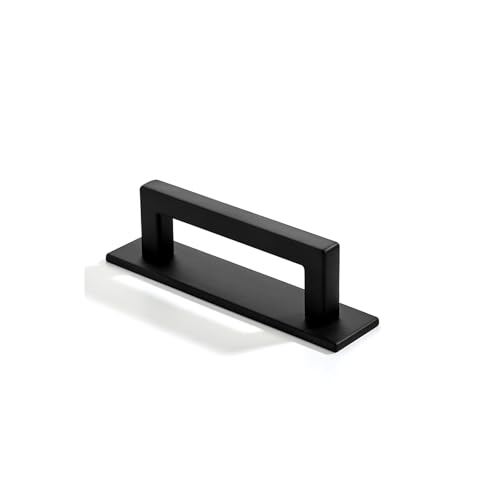
Modern Cabinet Pulls with Backplate: The Complete Guide
Upgrade your dresser or cabinetry with hardware that combines clean modern lines, protective backplates, and durable construction. Learn how to choose, measure, and install the right pulls for your project.
Explore Buying GuideWhy backplate pulls matter: A backplate does more than add visual depth. It spreads the load of repeated pulling across a wider surface, protects the drawer front from scratches and moisture, and gives modern cabinet pulls a more substantial, finished look. Whether you are refreshing a modern dresser for bedroom or upgrading a kitchen, the right pull-and-backplate combination makes a noticeable difference.
What Are Modern Cabinet Pulls with Backplate?
Modern cabinet pulls with backplate are drawer and door handles designed with a separate plate that sits between the pull and the cabinet surface. The pull itself is typically a bar, T-bar, or arch handle with clean geometric lines, while the backplate is a thin decorative plate—often rectangular, oval, or round—that frames the mounting points.
This combination is popular because it solves two common problems. First, it protects the finish of painted or veneered drawer fronts from repeated hand contact. Second, it adds a layer of visual interest that plain bar pulls often lack. On a modern dresser with soft-close drawers, backplate pulls create a consistent, high-end look across every drawer.
Modern styles favor minimal backplates—thin profiles, squared edges, and finishes like matte black, satin nickel, brushed brass, and polished chrome. These designs pair well with contemporary furniture, from a modern wood dresser to a sleek modern storage cabinet with drawers.
Backplate vs. No Backplate: What Changes?
With a backplate: Better surface protection, a more traditional or transitional look, and often easier installation on worn drawer fronts because the plate hides existing marks.
Without a backplate: A cleaner, more minimal appearance, fewer components to align, and a lower profile. Ideal for ultra-modern spaces where hardware should almost disappear.
Neither option is universally better. The right choice depends on your furniture style, drawer condition, and how much visual weight you want the hardware to carry.
How to Choose the Right Pull and Backplate
Buying cabinet hardware is part measurement, part style decision. The goal is hardware that fits your existing holes (or the holes you plan to drill), matches the scale of your furniture, and holds up to daily use. Here are the factors that matter most.
1. Center-to-Center Spacing
Center-to-center (CTC) spacing is the distance between the centers of the two mounting holes. This is the single most important measurement. Common CTC sizes include 3 inches, 3.75 inches, 5 inches, and 6.25 inches. If you are replacing existing hardware, measure the old pulls before ordering. If you are drilling new holes, choose a CTC that is proportional to the drawer width—generally about one-third of the drawer face width for a balanced look.
Backplates must align with the same hole spacing. Many modern pulls with backplate are sold as matched sets, so the plate and pull share the same CTC and screw pattern. If you buy them separately, confirm both the CTC and the plate's mounting hole positions.
2. Projection and Clearance
Projection is how far the pull extends from the cabinet face. Modern bar pulls typically project between 1 inch and 1.5 inches. Add the backplate thickness—usually 1/16 to 1/8 inch—to your clearance calculation. Make sure the pull does not collide with adjacent drawers, cabinet doors, or appliances when opened.
3. Material and Finish
The material determines durability and how the finish ages. The table below compares common options by tier and typical use.
| Tier | Typical Material | Best For | Notes |
|---|---|---|---|
| Entry-level | Zinc alloy with plated finish | Light-use cabinets, rental updates | Good value for its tier; finishes can wear over time with heavy use |
| Mid-range | Stainless steel or aluminum | Bedroom dressers, kitchen cabinets | Balanced tier with solid corrosion resistance and consistent finishes |
| Premium | Solid brass or heavy-gauge stainless steel | High-traffic kitchens, statement furniture | Durable construction; develops a natural patina on unlacquered brass |
| Luxury | Hand-finished solid brass, bronze | Custom cabinetry, designer projects | Top-tier craftsmanship with precise detailing and long-term investment value |
Finish choice is largely aesthetic, but it affects maintenance. Matte black and satin nickel hide fingerprints well. Polished chrome and mirror finishes show smudges more readily but suit minimalist spaces. Brushed brass and satin nickel are versatile across modern satin nickel cabinet pulls and mixed-metal designs.
4. Backplate Shape and Size
Backplates come in rectangular, oval, round, and specialty shapes. As a rule, the backplate should be slightly wider than the pull's mounting base but not so large that it overwhelms the drawer face. On narrow drawers, a slim rectangular plate works better than a wide oval. On a narrow dresser or a narrow chest of drawers, compact backplates keep the hardware from crowding the edges.
5. Screw Length and Drawer Thickness
Most pulls ship with screws sized for standard 3/4-inch drawer fronts. If your drawer front is thicker—common on solid wood furniture—you may need longer screws. Always check that the screw does not protrude through the inside of the drawer where it could snag clothing or scratch items.
Measure Twice
Use a caliper or a reliable tape measure for CTC spacing. A 1/16-inch error can make a pull feel misaligned.
Test the Finish
Order a single sample pull before committing to a full set. Finish color can look different under bedroom and kitchen lighting.
Match the Scale
Large drawers suit 5-inch or 6.25-inch CTC pulls. Small drawers and nightstands often look best with 3-inch or 3.75-inch pulls.
Plan the Template
Use a drilling template or a scrap board to confirm hole alignment before drilling into finished furniture.
Installation Tips for Backplate Pulls
Installing modern cabinet pulls with backplate is a manageable DIY project. The process is easiest when you are replacing existing hardware, because the holes are already positioned. For new installations, follow these steps:
- Mark the center line. Measure and mark the vertical center of the drawer face. For doors, mark the side where the pull will sit.
- Set the CTC. Measure outward from the center line by half the center-to-center distance and mark both hole positions. Double-check with the pull itself.
- Drill pilot holes. Use a bit slightly smaller than the screw diameter to prevent splitting, especially on solid wood drawer fronts.
- Mount the backplate first. Place the backplate against the drawer face and align the holes. Insert screws through the plate and pull, then tighten gradually.
- Check alignment. Open and close the drawer several times. If the pull rubs or feels loose, adjust the screw tension or re-check the hole alignment.
For a cohesive bedroom look, carry the same hardware family across multiple pieces. A modern dresser and nightstand set with matching backplate pulls feels intentional rather than pieced together. The same principle applies to a modern 3 drawer dresser and a larger modern 6 drawer dresser in the same room.
Where Backplate Pulls Work Best
Backplate pulls are versatile, but they shine in specific settings:
- Bedroom dressers: Protect painted or veneered drawer fronts from daily contact. Pair with a modern tall dresser for a vertical storage solution.
- Kitchen cabinets: Add a finished look to shaker and flat-panel doors. Backplates help hide wear around frequently used drawers.
- Bathroom vanities: A backplate creates a small barrier between the pull and moisture-prone surfaces.
- Entryway and storage cabinets: On a narrow entryway cabinet with doors, slim backplates keep the hardware from looking bulky.
- Nursery furniture: Smooth backplates reduce sharp edges and protect softer finishes on nursery dresser with changing top units.
Style Pairing: Matching Hardware to Furniture
The best hardware complements the furniture rather than competing with it. Here are a few reliable pairings:
- Matte black pulls with rectangular backplates on white or light wood furniture create crisp contrast. They suit a modern white dresser when you want a bolder edge.
- Satin nickel bar pulls with slim oval plates read as understated and modern. They work well on a modern wood chest or modern chest of drawers.
- Brushed brass pulls with squared plates add warmth. They pair naturally with modern black bedroom furniture sets and dark wood finishes.
- Polished chrome pulls with minimal plates suit ultra-modern and glossy surfaces, including a modern white and gold dresser when the goal is a reflective, clean look.
If you are updating a full room, consider how the pulls relate to other hardware—faucets, lighting, and door handles. A consistent metal family across the space creates visual harmony without requiring every piece to match exactly.
Care and Maintenance
Modern cabinet pulls with backplate are low-maintenance, but a few habits extend their life:
- Wipe with a soft, damp cloth. Avoid abrasive cleaners that can scratch plated finishes.
- Dry immediately after cleaning to prevent water spots, especially on polished and brushed metals.
- Check screw tension every few months. Loose pulls can wobble and enlarge the screw holes over time.
- For solid brass with a living finish, expect gradual patina. This is normal and part of the material's character.
If a pull feels loose, tighten the screws from the inside of the drawer. Avoid over-tightening, which can crack thin drawer fronts or strip the screw holes.
Frequently Asked Questions
What is a backplate on a cabinet pull?
A backplate is a decorative and protective plate that sits between the cabinet pull and the drawer or door surface. It distributes pressure, protects the finish from scratches, and adds visual depth to the hardware.
Are backplate cabinet pulls hard to install?
Installation is straightforward if you already have drilled holes. The backplate mounts behind the pull using the same screws. For new installations, you will need to drill holes that match the pull's center-to-center spacing and the backplate's mounting points.
What materials are modern cabinet pulls with backplate made from?
Common materials include stainless steel, solid brass, zinc alloy, aluminum, and sometimes matte black finished steel. Premium tiers often use solid brass or heavy-duty stainless steel for durability.
Can I use backplate pulls on dressers and kitchen cabinets?
Yes. Backplate pulls work on dressers, kitchen cabinets, bathroom vanities, and built-in wardrobes. The key is matching the pull's center-to-center spacing and screw length to the thickness of your drawer or door front.
Ready to Upgrade Your Hardware?
Browse our curated selection of modern cabinet pulls with backplate and find the right fit for your dresser, cabinet, or vanity project.
View Recommended Pulls