Modern Cabinet Pulls: The Complete Buying Guide
Transform dressers, cabinets, and drawers with the right hardware. Learn styles, finishes, sizing, and installation so you can choose modern cabinet pulls with total confidence.
What Are Modern Cabinet Pulls?
Modern cabinet pulls are the handles and bars mounted on cabinet doors and drawer fronts to make them easy to open. In contemporary design, they are defined by clean geometry, minimal ornamentation, and finishes that feel intentional rather than decorative. A single set of well-chosen pulls can modernize a tired dresser, unify a kitchen, or add a polished accent to a built-in cabinet.
Hardware is one of the most efficient upgrades in furniture and cabinetry. Pulls are small, easy to swap, and visually impactful. The right pull can make a plain modern dresser for the bedroom feel custom, and the wrong one can date an otherwise beautiful piece. This guide walks through every decision point: shape, finish, size, material, and installation.
If you are shopping for drawer-specific hardware, our companion guide on modern drawer pulls covers the nuances of drawer-only applications, while this page focuses on cabinet-style pulls that work equally well on dressers, cabinets, and built-ins.
Key idea: Modern cabinet pulls are judged on three things — proportion, finish consistency, and installation precision. Get those right and even entry-level hardware looks refined.
Modern Cabinet Pull Styles and Shapes
Shape is the first decision because it sets the visual language of the room. Below are the dominant modern profiles, along with where each works best.
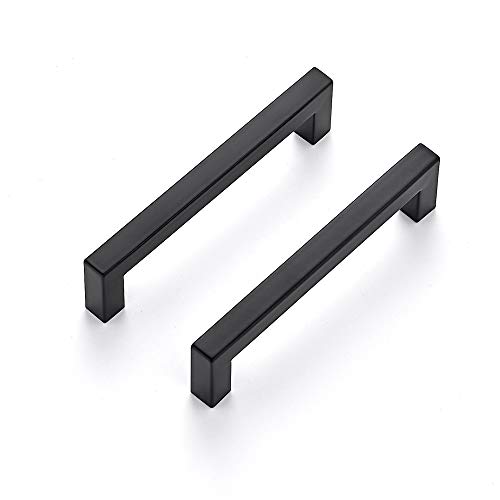
Bar Pulls
Straight or gently arched bars with a uniform cross-section. The defining modern profile. Works on kitchen cabinets, dressers, and wardrobes alike. Clean lines suit minimal and transitional interiors.
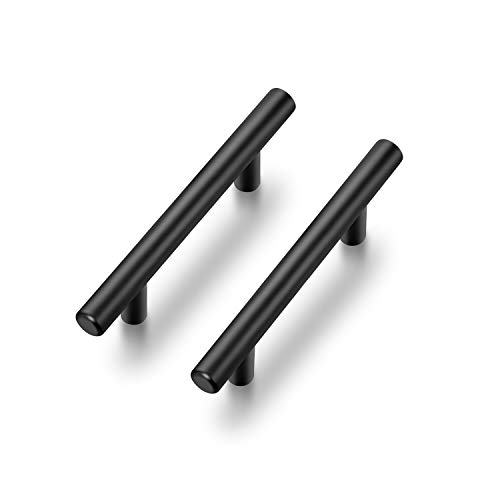
T-Bar Pulls
A bar mounted on two short stems forming a T shape. Slightly more architectural than a plain bar and very common in contemporary kitchens. Excellent for slab drawer fronts.
Edge Pulls
A slim profile that sits flush or near-flush against the drawer edge. Nearly invisible from a distance, emphasizing the surface rather than the hardware. Ideal for handleless-look cabinetry.
Curved & Arched Pulls
Soft bows and gentle arcs that add warmth to modern geometry. A good bridge between contemporary and transitional styles. Works well on dressers in bedrooms that need a softer touch.
Backplate Pulls
A pull mounted on a decorative backplate. This is a common modern interpretation that adds visual weight and protects the drawer face. See our guide to modern cabinet pulls with backplate for detailed selection advice.
Finger Pulls
Recessed or surface-mounted finger channels used where a full handle would interrupt a clean face. Popular in kitchens and on modern dresser fronts with a seamless look.
Which shape should you choose?
- Slab fronts and flat-panel drawers: bar pulls, T-bars, or edge pulls keep the geometry consistent.
- Shaker or framed drawer fronts: bar pulls and backplate pulls add definition without fighting the frame.
- Small drawers and jewelry drawers: shorter bars, T-bars, or knobs sized to the drawer width.
- Statement furniture pieces: backplate pulls or sculptural curved pulls create a focal point.
For kitchens specifically, the same principles apply to modern kitchen cabinet pulls, where consistent spacing and a single profile family matter even more because the hardware is viewed at scale across many doors.
Modern Cabinet Pull Finishes
Finish is where most buying decisions are won or lost. A finish must coordinate with lighting, other metals in the room, and the wood or paint tone of the furniture. Modern interiors typically use one dominant metal finish with at most one accent.
| Finish | Character | Best For | Care Notes |
|---|---|---|---|
| Matte Black | Bold, graphic, high contrast | White, oak, and walnut furniture; industrial and modern farmhouse rooms | Wipe with a soft damp cloth; avoid abrasive pads |
| Satin Nickel | Soft, neutral, understated | Transitional and contemporary interiors; mixed-metal rooms | Resists fingerprints well; mild soap is sufficient |
| Brushed Brass / Gold | Warm, luxurious, reflective | Navy, black, white, and green cabinetry; statement dressers | Use a dry cloth; avoid harsh chemical cleaners |
| Chrome / Polished Nickel | Crisp, mirror-like, clinical | Ultra-modern kitchens and bathrooms | Buff with a microfiber cloth to remove smudges |
| Oil-Rubbed Bronze | Deep, warm, slightly rustic | Traditional-modern blends, wood-toned dressers | Patina develops naturally; clean gently |
| Copper / Rose Gold | Distinctive, warm, trend-forward | Accent furniture and statement pieces | Dry promptly to avoid water spots |
Finish consistency rules
- One metal family per room is the safest modern approach. If your faucet is satin nickel, keep cabinet pulls in satin nickel or a deliberately contrasting matte black.
- Match the sheen, not just the color. A polished brass pull next to a brushed brass light fixture can look mismatched; choose the same sheen level.
- Consider the wood tone. Warm woods pair naturally with brass and bronze; cool gray and white finishes pair well with nickel and chrome.
- Sample first. Finishes read differently under warm and cool lighting. Order one pull in the intended finish before committing to a full set.
Two especially useful reference guides for specific finishes are modern black cabinet pulls 3 inch and modern satin nickel cabinet pulls, each covering coordination and sizing for that finish family.
Sizing and Spacing Modern Cabinet Pulls
Pull size is governed by two measurements: the center-to-center (CTC) distance between mounting holes, and the overall length of the pull. CTC is the number that must match your existing drilling, so it is the first thing to verify on any replacement project.
Typical center-to-center ranges by application
| Application | Common CTC Range | Why It Works |
|---|---|---|
| Small drawers and jewelry drawers | Short bars or knobs | Prevents the pull from dominating a small face |
| Standard dresser drawers | Medium bars | Comfortable grip without overhang beyond drawer edges |
| Wide dresser and cabinet drawers | Long bars | Balances the visual width and allows two-handed opening |
| Cabinet doors (tall) | Medium to long bars, vertical orientation | Vertical alignment follows the door height and reads as intentional |
| Kitchen base cabinets | Medium bars or T-bars | Standard ergonomic reach while standing |
Placement rules that read as professional
- Drawers: center the pull horizontally. For wide drawers, a single centered pull or two evenly spaced pulls both work; choose one system and repeat it everywhere.
- Cabinet doors: place the pull on the opposite side of the hinge, typically a consistent distance from the door edge and from the top or bottom rail.
- Consistency beats symmetry: align all pulls to the same reference line across a run of cabinets. The eye notices misalignment immediately.
- Leave breathing room: a pull should not extend past the edge of the drawer front. Aim for a comfortable margin on both ends.
- Two-pull wide drawers: space them evenly and use identical pulls; this is a classic modern look for large dresser drawers.
Pro tip: Measure twice and drill once. Use a paper template or a dedicated drilling jig to keep CTC distances identical across every drawer and door. Consistent drilling is the single biggest factor separating a professional-looking install from an amateur one.
Materials and Build Quality
Modern cabinet pulls are made from a small set of materials, each with distinct trade-offs in feel, durability, and weight.
Zinc Alloy
Cast and plated. The most common material for decorative hardware. Entry-level zinc pulls can feel light; mid-range and premium zinc pulls use thicker castings and better plating for a solid feel.
Solid Brass
Heavier, warmer in hand, and able to take a deep brushed or polished finish. Solid brass is a long-term investment that resists wear well and develops character over time.
Stainless Steel
Corrosion-resistant and very durable. Common in satin and brushed finishes. Professional-grade stainless hardware is a solid choice for kitchens and bathrooms where moisture is present.
Aluminum
Lightweight and often used for very long bar pulls where weight matters. Anodized aluminum finishes are durable but can feel less substantial than brass or steel in hand.
What separates tiers in practice
- Wall thickness and casting weight: mid-range and high-end pulls feel denser and resist flexing under load.
- Plating quality: premium plating resists chipping and tarnishing far longer than entry-level finishes.
- Thread quality: better pulls use clean, deep machine threads that accept screws securely and resist stripping.
- Included hardware: higher tiers typically ship with both short and long screws and sometimes a mounting template.
- Finish consistency across a set: top-tier manufacturers match finish batches more tightly, which matters when you buy multiple pulls.
For a deeper material comparison, our materials and finishes guide covers wood and hardware pairings across dresser and cabinet projects.
Choosing Modern Cabinet Pulls for Dressers and Drawers
Dressers are where hardware upgrades deliver the most visible return. A dresser is viewed up close every day, and its pulls are touched constantly, so feel and proportion matter as much as appearance. The same pull families used on kitchen cabinetry work beautifully on dressers, with a few dresser-specific considerations.
Dresser-specific selection criteria
- Drawer depth and weight: heavy drawers with deep storage benefit from longer bars that allow a confident grip and two-handed opening.
- Drawer front style: slab fronts suit bar pulls and edge pulls; framed or Shaker fronts suit bar pulls and backplate pulls.
- Dresser height: tall dressers benefit from vertically oriented pulls on taller doors or a consistent horizontal bar on every drawer for a calm rhythm.
- Room context: bedroom hardware should feel comfortable to touch. Smooth, rounded bar edges are more pleasant than sharp square profiles for high-touch pieces.
- Matching sets: when upgrading a dresser, consider matching nightstand hardware at the same time for a cohesive look. See modern dresser and nightstand sets and modern white dresser and nightstand sets for coordinated options.
Pull styles that work well on specific dresser types
- Modern 3 drawer dressers — medium bars or T-bars keep small drawer stacks balanced.
- Modern 4 drawer dressers — consistent medium bars across all drawers create a clean vertical rhythm.
- Modern 6 drawer dressers — long bars on wide drawers and shorter bars on narrow drawers keep proportion correct.
- Modern tall dressers — vertically oriented pulls on tall doors and horizontal bars on drawers mix well.
- Modern white dressers with gold hardware — brushed brass bar pulls are a proven combination.
- Modern chests of drawers — backplate pulls add definition to chests with more traditional framing.
Budgeting by tier, not by number
Hardware is usually the smallest line item in a furniture upgrade, so it pays to buy the best tier you can justify. Entry-level pulls are fine for low-touch or temporary applications. Mid-range pulls are the sweet spot for primary bedrooms and main living spaces. High-end and professional-grade pulls make sense for kitchens, bathrooms, and furniture you plan to keep for years.
Installation Guide for Modern Cabinet Pulls
Installation is straightforward but rewards care. A few minutes of preparation prevents crooked pulls and unnecessary holes.
Tools and preparation
- Drill with bits sized to the screw and pilot hole requirements
- Measuring tape, pencil, and a small square
- Painter's tape or a paper drilling template
- Screwdriver that matches the included screw heads
- Optional: a dedicated pull-drilling jig for multi-drawer projects
Step-by-step
- Remove old hardware and clean the drawer face. Fill and sand old holes if the new CTC distance differs.
- Mark the reference line for each drawer or door. For stacked drawers, mark one consistent height from the drawer top across the whole piece.
- Mark the CTC centers precisely using the pull's own mounting points or the manufacturer's template.
- Create pilot holes slightly smaller than the screw diameter to prevent splitting, especially in solid wood fronts.
- Mount the pull and tighten until snug. Do not overtighten, which can crush the drawer face or strip threads.
- Check alignment by stepping back and viewing the piece from a few feet away. Adjust before moving to the next drawer.
Mind the screw length. Most pulls ship with two screw lengths because drawer fronts vary in thickness. Use the shortest screw that achieves a secure fit; a screw that is too long can protrude inside the drawer and scratch contents or catch clothing.
For kitchen installs where finger channels or recessed profiles are involved, the same preparation rules apply but the drilling is often handled by the cabinet manufacturer. Our modern kitchen cabinet finger pulls guide covers that category in detail.
Ready to Choose Your Pulls?
Compare the styles and finishes covered in this guide, then check availability for the sets that fit your dresser or cabinetry.
Explore Modern Cabinet PullsFrequently Asked Questions About Modern Cabinet Pulls
What center-to-center size do I need for replacement pulls?
Measure the distance between the centers of your existing mounting holes. That is the center-to-center (CTC) measurement your new pull must match. If you are drilling new holes, choose the CTC size that best fits the drawer width and repeat that size consistently across the piece.
Are modern cabinet pulls difficult to install?
No. Most installations require only a drill, measuring tape, and a screwdriver. The main challenges are accurate marking and consistent alignment across multiple drawers. A paper template or drilling jig solves both.
Can I mix finishes on modern cabinet pulls?
Yes, but do it deliberately. One dominant finish with one accent finish works well when the accent is repeated elsewhere in the room, such as on lighting or plumbing fixtures. Avoid using three or more metal finishes in the same visual space.
Should dresser pulls match kitchen cabinet pulls?
Only if the rooms are open to each other or share a design language. In most homes, dressers and kitchen cabinets can use different pull styles as long as each room is internally consistent and shares a broader finish palette.
What is the difference between a bar pull and a T-bar pull?
A bar pull is a bar attached at two or more points along its length. A T-bar pull is a bar mounted on two short stems that form a T shape. Both are modern, but T-bars read as slightly more architectural and are common in contemporary kitchens.
How do I prevent pulls from loosening over time?
Use pilot holes sized correctly for the screws, tighten to snug rather than excessive force, and consider a small dab of removable thread locker on high-use pulls. Check and retighten hardware once a year as part of routine furniture maintenance.