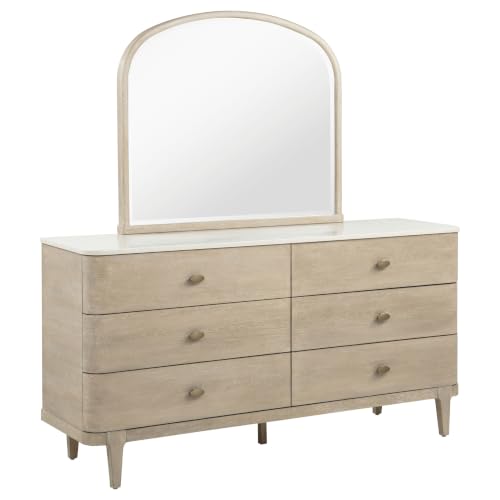
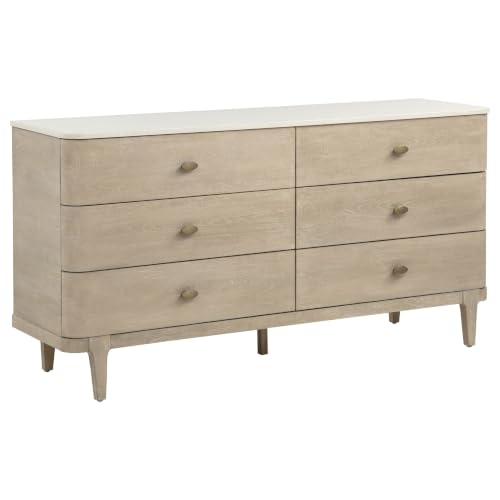
Marble Top Chest of Drawers Antique
Explore the timeless elegance of antique marble top chests of drawers. Learn about identifying genuine marble, evaluating craftsmanship, caring for stone surfaces, and integrating these statement pieces into your bedroom.
Start ExploringWhat Is an Antique Marble Top Chest of Drawers?
An antique marble top chest of drawers is a vintage storage piece that pairs a solid wood drawer cabinet with a marble slab surface. These chests were popular from the early 19th century through the Edwardian era, often built as bedroom furniture for affluent households. The marble top served both a practical and decorative purpose—it provided a durable, cool surface for grooming items while signaling refined taste.
Today, these pieces are prized by collectors and interior designers for their craftsmanship, historical character, and the unique veining of natural stone. Whether you favor a marble top dresser or a taller marble dresser, understanding the construction and provenance of antique pieces helps you make an informed purchase.
Anatomy of an Antique Marble Top Chest
Antique marble top chests of drawers are built from several distinct components. Knowing what to inspect helps you separate well-preserved pieces from those with hidden issues.
Wood Carcass
The body is typically solid wood—mahogany, walnut, oak, or fruitwood. Look for tight joinery, smooth drawer action, and original hardware. A mahogany dresser is especially common in antique marble top pieces because mahogany resists warping and takes fine carving well.
Marble Slab
Genuine marble tops are usually 0.75 to 1.5 inches thick, with a polished or honed finish. The marble may be white Carrara, gray-veined, or colored stone depending on the region of origin. Faux marble—painted or scagliola—also appears on some antique pieces, so verify authenticity before purchase.
Drawer Construction
Hand-cut dovetails, dust boards between drawers, and wooden runners indicate traditional craftsmanship. Smooth-gliding drawers suggest the piece has been maintained or restored. For comparison, modern pieces often use low profile heavy duty drawer slides, whereas antiques rely on waxed wood-on-wood runners.
Hardware and Details
Original brass pulls, escutcheons, and keyhole covers add value. Replacements are common, but period-correct hardware enhances authenticity. Carved feet, columns, and apron details also reflect the piece's era and origin.
Common Styles and Periods
Antique marble top chests span several design movements. Each style brings distinct proportions, ornamentation, and wood choices.
| Style / Period | Key Features | Best For |
|---|---|---|
| French Provincial | Curved cabriole legs, carved apron, brass hardware, soft wood tones | Bedrooms with romantic or traditional decor |
| Victorian | Heavy proportions, elaborate carvings, dark wood finishes | Statement pieces in spacious rooms |
| Edwardian | Lighter wood tones, restrained ornament, elegant lines | Transitional or classic interiors |
| Renaissance Revival | Architectural details, columns, inlay work | Formal bedrooms and collector spaces |
If you prefer a simpler aesthetic, a lowboy dresser with a marble top offers the same antique charm in a lower profile. For a more elaborate setup, consider a marble top dresser with mirror that pairs the chest with an original mirror frame.
How to Identify Genuine Marble and Authentic Antiques
Distinguishing real marble from faux finishes—and authentic antiques from reproductions—requires attention to detail.
Testing the Marble
- Temperature: Real marble feels noticeably cooler than the surrounding wood or room temperature.
- Veining: Natural veins run through the stone and vary in depth and color; faux veining sits on the surface.
- Sound: A gentle tap produces a dense, solid sound on real stone.
- Edges: Antique marble edges are often hand-polished and slightly irregular compared to machine-cut modern slabs.
Evaluating Antique Status
- Inspect drawer joinery—hand-cut dovetails suggest pre-1900 construction.
- Look for patina on wood and brass; uniform finishes often indicate restoration or reproduction.
- Check for maker's marks, labels, or stamps on the back or drawer bottoms.
- Wood shrinkage and minor age cracks are normal in genuine antiques.
Tip: When buying online, request close-up photos of drawer joints, hardware, and marble edges. Reputable sellers provide detailed provenance and condition reports.
Caring for an Antique Marble Top Chest
Proper care preserves both the wood and the stone. Marble is durable but porous, and antique wood benefits from stable humidity.
Marble Surface Care
- Clean with a pH-neutral stone cleaner and a soft microfiber cloth.
- Avoid acidic substances—citrus, vinegar, wine—that can etch the surface.
- Use coasters and felt pads under decorative items to prevent scratches.
- Reapply a penetrating stone sealer every 6–12 months depending on use.
- Blot spills immediately; do not let liquids sit on the stone.
Wood and Drawer Care
- Keep the chest away from direct heat sources and prolonged sunlight.
- Maintain indoor humidity between 40–50% to prevent wood shrinkage.
- Wax wooden drawer runners with paraffin or a silicone-free furniture wax for smooth operation.
- Dust regularly with a soft cloth; avoid silicone-based polishes on antique finishes.
Hardware Maintenance
Brass hardware can be cleaned with a mild brass polish, but avoid over-polishing—patina is part of the antique character. Tighten loose screws gently and replace missing pieces with period-appropriate reproductions when necessary.
Styling an Antique Marble Top Chest in Your Bedroom
These pieces work in both traditional and modern interiors. Placement and styling determine whether the chest feels like a curated heirloom or an out-of-place relic.
Placement Tips
- Anchor the chest against a solid wall, leaving clearance for drawer pulls.
- Pair with a mirror above for a classic vanity setup, or hang artwork for a modern contrast.
- Use the marble top for a lamp, a small tray, and a few books—avoid clutter to let the stone stand out.
Matching with Other Furniture
An antique marble top chest can pair well with a matching dresser and nightstand arrangement if you can source pieces from the same period. If not, balance the ornate chest with simpler bedside tables to avoid visual overload. For a cohesive bedroom set, consider marble top dressers and nightstands that share stone and wood tones.
In smaller rooms, a low profile dresser with a marble top keeps sightlines open while adding vintage character.
Buyer's Checklist for Antique Marble Top Chests
Before committing to a purchase, run through this checklist to confirm condition, authenticity, and suitability for your space.
- Measure your space: Confirm height, width, and drawer clearance fit your bedroom layout.
- Inspect the marble: Check for cracks, chips, stains, and signs of repair. Small chips are common; large cracks may affect structural integrity.
- Test the drawers: Open and close each drawer fully. Sticking or wobbling may indicate warped wood or worn runners.
- Verify joinery: Look for hand-cut dovetails and consistent construction throughout.
- Check hardware: Original pulls and escutcheons add value; note any replacements.
- Assess finish: Original patina is desirable; heavy refinishing may reduce antique value.
- Ask about provenance: Seller history, receipts, or appraisals support authenticity.
- Plan transport: Marble tops are heavy and should be removed for safe moving when possible.
Remember: A well-preserved antique marble top chest is a long-term investment. Prioritize structural integrity and authentic materials over cosmetic perfection.
Modern Alternatives to Antique Marble Top Chests
If authentic antiques are unavailable or do not fit your space, several modern options capture the same aesthetic.
- Marble top dresser bedroom sets offer coordinated pieces with contemporary construction.
- Master bedroom dressers with mirrors replicate the classic vanity arrangement.
- For a lighter footprint, a low white dresser with a stone top provides a fresh, modern look.
- Those seeking a premium statement piece might explore a luxury dresser with marble detailing.
Modern reproductions often use marble veneer or engineered stone, which requires less maintenance than solid marble but lacks the depth and character of genuine antique stone.
Frequently Asked Questions
What is an antique marble top chest of drawers?
An antique marble top chest of drawers is a vintage storage piece featuring a genuine or faux marble slab set atop a wooden chest with multiple drawers. These pieces date from the 19th or early 20th century and combine practical storage with elegant stone detailing.
How do I identify real marble on an antique chest?
Real marble feels cool to the touch, shows natural veining that runs through the stone, and has subtle color variations. Faux marble is usually painted or printed on a solid surface and feels room temperature. Tapping the surface gently can also help—real marble produces a dense, solid sound.
How should I care for a marble top on an antique chest?
Clean marble with a pH-neutral stone cleaner and a soft cloth. Avoid acidic or abrasive products that can etch the surface. Use coasters under drinks and felt pads under decorative objects. Reapply a stone sealer periodically to protect against stains.
What styles of antique marble top chests are most common?
Common styles include French provincial, Victorian, Edwardian, and Renaissance revival chests. French provincial pieces often feature curved legs and ornate brass hardware, while Victorian examples tend to have heavier proportions and carved wood details.
Can an antique marble top chest work in a modern bedroom?
Yes. An antique marble top chest can serve as a striking focal point in a modern bedroom when balanced with clean-lined furniture and neutral tones. The contrast between ornate vintage detailing and contemporary minimalism creates a curated, layered look.