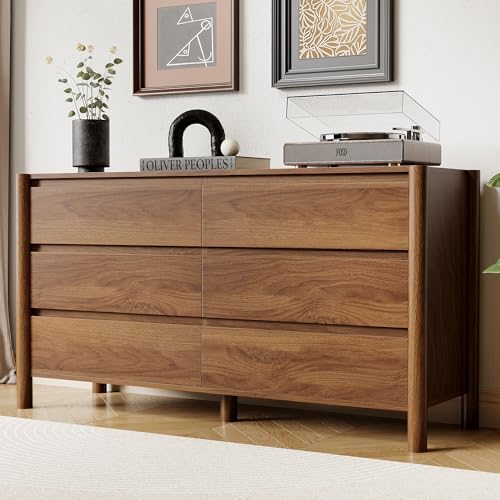
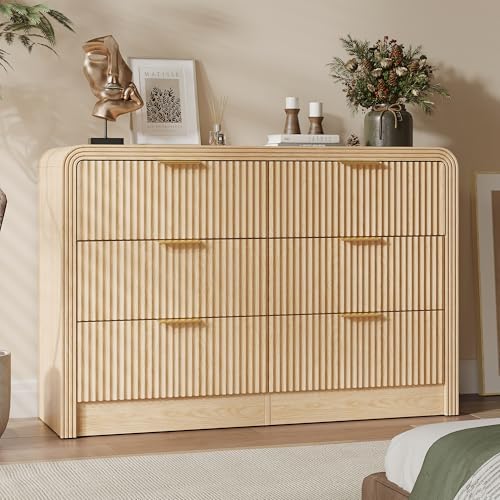
The Japanese dresser is more than a place to store clothing — it is a philosophy of living expressed through furniture. Rooted in the centuries-old tansu tradition, these chests of drawers combine disciplined joinery, natural materials, and a quiet aesthetic that has influenced modern minimalist interiors worldwide. If you are researching a Japanese dresser for your home, this guide walks you through the styles, construction details, and practical considerations that matter before you commit.
Whether you are drawn to a compact Japanese dresser for a small bedroom, a low-profile piece for a zen-inspired space, or a tall, multi-drawer chest for serious storage, understanding the category helps you make a confident decision. Let us start with the essentials.
Quick Facts: Japanese Dresser at a Glance
- Origin: Derived from tansu, traditional Japanese mobile storage chests with strong metal fittings and modular design.
- Signature traits: Clean lines, exposed joinery, low profiles, and natural wood grains.
- Common woods: Paulownia (kiri), cedar (sugi), oak, walnut, and bamboo.
- Hardware: Iron, bronze, or blackened metal pulls, often with traditional ring or bar shapes.
- Best for: Minimalist, Japandi, Scandinavian, and zen-inspired bedrooms.
What Is a Japanese Dresser? Understanding the Tansu Tradition
A Japanese dresser is a chest of drawers inspired by tansu — traditional Japanese cabinetry that dates back to the Edo period. Originally, tansu were designed as portable storage chests that could be carried out of a home during fires or floods. This practical origin shaped their design: compact footprints, sturdy handles, interlocking joinery, and modular stacking systems.
Modern Japanese dressers retain the spirit of tansu while adapting to contemporary bedrooms. You will typically see:
- Disciplined geometry: Straight lines, balanced proportions, and uncluttered drawer fronts.
- Natural wood emphasis: Finishes that celebrate grain rather than conceal it.
- Functional hardware: Metal pulls that echo traditional iron fittings but suit modern use.
- Modular thinking: Stackable or nesting designs that maximize floor space.
Compared to a conventional chest of drawers, a Japanese dresser tends to be lower, quieter in visual weight, and more focused on craftsmanship than ornamentation. This makes it an excellent choice for bedrooms where calm and order matter.
Japanese Dresser Styles You Will Encounter
The category is not monolithic. Several distinct styles fall under the Japanese dresser umbrella, and each suits a different bedroom context.
1. Traditional Tansu-Style Dresser
This is the closest to historical tansu. Expect visible joinery, iron hardware, and a compact, boxy silhouette. Traditional tansu-style dressers often feature many smaller drawers rather than a few large ones, which suits folded clothing, linens, and accessories. They work best in rooms with a strong Japanese or wabi-sabi aesthetic.
2. Low-Profile Zen Dresser
Low dressers that sit close to the floor are a hallmark of Japanese-inspired interiors. They keep sightlines open, make small bedrooms feel larger, and pair naturally with low platform beds. If you are furnishing a compact room, a low-profile design can be a smarter choice than a tall high dresser that visually crowds the space.
3. Japandi Dresser
Japandi blends Japanese minimalism with Scandinavian warmth. Japandi dressers typically use light woods, soft neutral finishes, and slim tapered legs. They are more relaxed than strict tansu reproductions and fit easily into contemporary bedrooms. If you are comparing aesthetics, this style sits comfortably between a modern dresser and a traditional Japanese piece.
4. Contemporary Japanese Dresser
Designers continue to reinterpret tansu for modern homes. Contemporary Japanese dressers may use engineered wood cores with hardwood veneers, concealed drawer slides, and minimalist metal legs. They prioritize smooth operation and clean surfaces over exposed joinery.
5. Japanese-Inspired Tall Chest
For households that need generous vertical storage, tall Japanese-inspired chests borrow the tansu drawer grid but extend upward. These are practical in narrow bedrooms where floor space is limited but wall height is available.
Materials and Finishes: What to Look For
Material choice is one of the most important decisions when buying a Japanese dresser. The wood affects durability, weight, and the overall character of the piece.
| Material | Characteristics | Best For |
|---|---|---|
| Paulownia (Kiri) | Very lightweight, excellent moisture regulation, traditional tansu wood | Traditional tansu reproductions, humid climates |
| Cedar (Sugi) | Natural aroma, insect-resistant, warm tone | Clothing storage, rustic Japanese interiors |
| Oak | Dense, durable, prominent grain | Japandi and contemporary Japanese dressers |
| Walnut | Rich color, stable, premium feel | High-end tier Japanese dressers |
| Bamboo | Renewable, firm surface, contemporary look | Eco-conscious buyers, modern bedrooms |
| Engineered wood with veneer | Stable, consistent finish, lighter weight | Entry-level and mid-range Japanese dressers |
Finish matters as much as species. Traditional Japanese dressers often use natural oil or wax finishes that highlight grain and age gracefully. Contemporary pieces may use matte lacquer or water-based finishes. If you prefer a darker, more dramatic look, a high-gloss black lacquer dresser can deliver a modern Japanese feel, though it departs from the natural-wood tradition.
Drawer Systems: The Heart of a Japanese Dresser
Japanese dressers historically used wooden runners rather than metal slides. This is still true of high-end traditional tansu, where drawers glide on precisely fitted wooden tracks. The advantage is longevity and a quiet, organic feel. The trade-off is that wooden runners require proper humidity balance to avoid sticking.
Modern Japanese dressers increasingly use metal drawer slides for smoother, more consistent operation. If you are comparing options, consider:
- Wooden runners: Traditional, quiet, requires care, best in stable indoor climates.
- Ball-bearing slides: Smooth, durable, easy for daily use. See our guide to heavy-duty ball-bearing slides if you need extra load capacity.
- Soft-close slides: Prevent slamming, ideal for bedrooms and nurseries.
- Full-extension slides: Give access to the entire drawer depth — useful in deep tansu-style chests.
For a family bedroom or a piece that will hold heavy linens, prioritize slide quality. A mid-range Japanese dresser with well-specified slides will often feel more refined in daily use than an entry-level piece with basic runners.
How to Choose the Right Japanese Dresser for Your Bedroom
Buying decisions become easier when you break the process into clear steps. Here is a practical framework.
Step 1: Measure Your Space First
Japanese dressers come in a wide range of footprints. Low, wide designs suit rooms with ample wall space; tall, narrow designs suit compact bedrooms. Measure the wall where the dresser will sit, the clearance needed for drawers to open, and the walking path around it. Remember that a wide dresser can double as a console or media surface, while a tall chest saves floor space.
Step 2: Decide on Drawer Count and Configuration
Traditional Japanese dressers favor many smaller drawers, which helps organize folded clothing by category. Contemporary buyers often prefer fewer, larger drawers. Think about what you actually store: socks and accessories benefit from shallow drawers, while sweaters and linens need deeper ones.
Step 3: Choose Your Style Lane
Decide whether you want a strict tansu reproduction, a Japandi piece, or a contemporary Japanese-inspired dresser. This choice drives material, hardware, and finish decisions — and helps you avoid mismatched furniture later.
Step 4: Evaluate Construction Quality
Look for dovetail or box joints in drawer boxes, solid wood where it matters, and hardware that feels substantial. A high-quality solid wood dresser is a long-term investment; engineered wood can be a sensible entry point if construction is sound. Avoid drawers that wobble or bind when opened.
Step 5: Consider Safety and Stability
All dressers should be anchored to the wall, especially in homes with children. Tall Japanese-inspired chests carry the same tip-over risk as any tall furniture. Check for included anti-tip hardware or plan to add it.
Japanese Dresser vs Other Dresser Styles
Understanding how a Japanese dresser differs from other categories helps you choose with confidence.
- Japanese dresser vs modern dresser: A modern dresser prioritizes sleek surfaces and contemporary materials; a Japanese dresser emphasizes natural wood, joinery, and restraint.
- Japanese dresser vs farmhouse dresser: Farmhouse styles use distressed finishes and decorative hardware; Japanese styles favor clean lines and functional metal fittings.
- Japanese dresser vs industrial dresser: An industrial dresser leans on metal frames and raw finishes; Japanese designs use wood as the primary structural and visual element.
- Japanese dresser vs chest of drawers: The terms overlap, but Japanese dressers carry specific cultural and construction cues. Learn more in our dresser vs chest of drawers comparison.
Styling a Japanese Dresser in Your Bedroom
A Japanese dresser works best when the surrounding space supports its calm character. Keep the top surface sparse — a small tray, a ceramic vessel, or a single plant is often enough. Pair the dresser with natural textiles, low beds, and warm lighting. If you want to add a mirror, choose a simple round or rectangular frame rather than an ornate design.
For readers building a full bedroom scheme, our Japanese dresser guide pairs well with broader bedroom storage planning and room ideas inspiration.
Common Mistakes to Avoid
- Buying for looks alone: Verify drawer operation and construction before committing.
- Ignoring humidity: Solid wood Japanese dressers perform best in stable indoor humidity; use a dehumidifier in damp climates.
- Overlooking weight: Solid wood tansu-style chests can be very heavy. Confirm delivery access and floor support.
- Skipping wall anchoring: Always secure tall dressers to the wall.
- Mismatching scale: A low-profile Japanese dresser can look lost in a large room; a tall chest can overwhelm a small one.
Ready to Explore Japanese Dresser Options?
Browse curated Japanese dressers and tansu-inspired storage pieces selected for construction quality, drawer performance, and design authenticity. Compare features side by side and find the piece that fits your bedroom.
Explore Japanese DressersFrequently Asked Questions About Japanese Dressers
What is the difference between a Japanese dresser and a tansu?
Tansu is the traditional Japanese term for a storage chest, historically designed to be portable and modular. A Japanese dresser is a modern furniture category inspired by tansu — it borrows the aesthetic and construction cues but adapts them for contemporary bedrooms, often with metal drawer slides and standardized sizes.
Are Japanese dressers suitable for small bedrooms?
Yes. Many Japanese dressers are low-profile and compact, which helps small rooms feel open. Tall Japanese-inspired chests are also available for narrow spaces. Measure your wall and drawer clearance before choosing.
What wood is traditionally used in Japanese dressers?
Paulownia (kiri) is the classic tansu wood because it is lightweight and regulates moisture. Cedar is also common for clothing storage. Modern Japanese dressers may use oak, walnut, bamboo, or engineered wood with veneer.
Do Japanese dressers use metal drawer slides?
Traditional tansu use wooden runners. Contemporary Japanese dressers often use metal slides — ball-bearing, soft-close, or full-extension — for smoother daily operation. Both approaches are valid; the right choice depends on your priorities for tradition versus convenience.
How do I care for a solid wood Japanese dresser?
Dust regularly with a soft cloth, avoid harsh chemical cleaners, and maintain stable indoor humidity. Re-oil or re-wax natural finishes periodically according to the maker's guidance. Keep the dresser out of direct sunlight to prevent uneven fading.