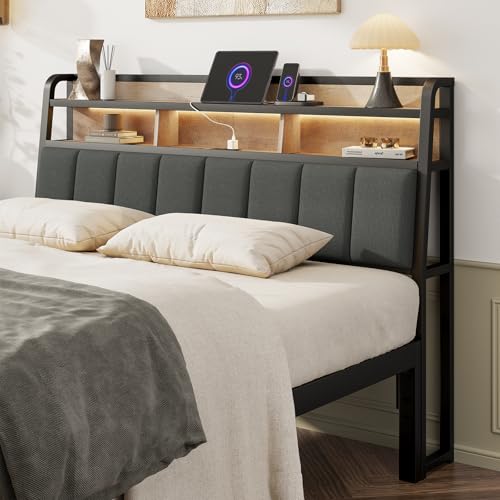
Headboard with Storage: The Complete Buyer's Guide
Turn the space behind your bed into a functional asset. A headboard with storage combines comfort, organization, and design in one piece — freeing up floor space and reducing clutter. This guide covers every type, material, and sizing decision so you can choose confidently before you shop.
Explore Top PicksWhat Is a Headboard with Storage?
A headboard with storage is a structural headboard that integrates drawers, open shelves, cubbies, cabinets, or a combination of these behind the bed. Unlike a purely decorative headboard, a storage headboard is designed to hold real weight — clothing, books, bedding, electronics, and everyday accessories — while anchoring the bed visually.
These units are especially valuable in bedrooms where floor area is limited. Instead of adding a separate bookcase or chest, the headboard becomes the vertical storage wall behind the mattress. Many designs pair naturally with a matching headboard and dresser set, so the bedroom feels cohesive rather than pieced together.
Types of Storage Headboards
Storage headboards fall into a few recognizable formats. Each one solves a different problem, so matching the type to your room layout matters more than any single feature.
Drawer Headboards
Integrated drawers directly behind the mattress. Best for folded clothing, bedding, or personal items. Require clearance at the sides or foot of the bed to open fully.
Shelf & Bookcase Headboards
Open shelves or cubbies above the pillow line. Ideal for books, lamps, alarm clocks, and decorative objects. Lighter structure than drawer units.
Cabinet & Door Headboards
Concealed storage with doors or lift-up compartments. Great for hiding clutter and protecting items from dust. Common in compact apartments and guest rooms.
Combination Units
Drawers plus shelves plus a display ledge. The most flexible format, and the most feature-rich for its class. Best for primary bedrooms with space on both sides.
Upholstered Headboards with Pockets
Soft padded panels with side pockets or slim compartments. A comfort-first option for reading in bed, with limited storage capacity.
Corner & L-Shaped Headboards
Storage wraps around two walls in a corner bed setup. Maximizes vertical space in small rooms and creates a defined sleeping zone.
If you are still deciding between a headboard-first approach and a traditional furniture layout, it helps to compare the storage headboard against a classic headboard with drawers and a freestanding headboard, dresser, and nightstand set. The right answer depends on how much you need to store and how much clearance your room allows.
Sizing and Clearance: The Most Common Mistake
Storage headboards fail in real bedrooms for one main reason: buyers measure the headboard width but forget to measure the space needed to open it. A drawer headboard needs room to extend, and cabinet doors need a swing radius. Plan for clearance before you commit.
| Storage Type | Recommended Clearance | Best For |
|---|---|---|
| Drawer headboard | 24–36 inches in front of drawers | Primary bedrooms, guest rooms |
| Cabinet / door headboard | 24–30 inches swing radius | Apartments, small bedrooms |
| Shelf / bookcase headboard | 18 inches for access | Reading nooks, teen rooms |
| Combination unit | 30–36 inches on both sides | Spacious primary suites |
Height also matters. A headboard should rise at least 24 inches above the mattress top for visual balance, and storage headboards often run 48 to 60 inches tall. Confirm the headboard attaches to your existing bed frame or that you are buying a compatible set. For buyers planning a full bedroom refresh, a coordinated king-size headboard and dresser set removes the guesswork around matching dimensions and finishes.
Materials and Build Quality
Because a storage headboard carries weight, material choice directly affects how long it stays level and how smoothly drawers glide. Use the tier language below to compare products on relative market position rather than any specific figure.
Wood and Engineered Wood
Solid wood — oak, maple, walnut, or pine — is the most durable option and the most likely to survive decades of use. Engineered wood with a quality veneer is the balanced-tier choice: stable, consistent, and widely available in modern and mid-century designs. Entry-level particleboard units can work for shelf-only headboards where loads are light, but they are less suited to drawer-heavy designs.
Metal
Steel and aluminum frames suit open-shelf and industrial-style headboards. Metal is strong for its weight and easy to clean, though it offers less warmth than wood. Look for reinforced joints and powder-coated finishes that resist scratching.
Upholstered Panels
Fabric or leather upholstery adds comfort for sitting up in bed. Upholstered storage headboards are usually shelf-based or pocket-based rather than drawer-based, because padded panels are not structural enough for deep drawers.
Hardware and Slides
Drawer performance is decided by the slides. Entry-level units typically use basic roller slides; mid-range and premium headboards use ball-bearing or undermount slides that run smoother and close more quietly. If you plan to store heavier items, look for models specified with heavy-duty drawer slides and check the stated load rating per drawer.
Features That Actually Matter
Marketing pages list dozens of features, but only a handful change daily use. Prioritize these:
- Soft-close drawers — prevents slamming and protects the frame over time.
- Full-extension slides — lets you reach the back of deep drawers without bending awkwardly.
- Integrated lighting — reading lights or shelf LEDs reduce the need for a bedside lamp.
- Cable management — channels or grommets for charging cables and lamp cords keep the surface clean.
- USB or power outlets — convenient for phones and tablets, especially in guest rooms.
- Anti-tip anchoring — non-negotiable for tall units and for any household with children.
- Removable or adjustable shelves — lets the headboard adapt as storage needs change.
Safety and Installation
Storage headboards are heavier than decorative headboards, and tall units can tip if they are not secured. Always anchor the headboard to the wall studs or bolt it firmly to the bed frame using the manufacturer's hardware. If the unit includes a tip-over restraint kit, install it — this is standard practice for bedroom furniture and is especially important in children's rooms.
Installation typically takes one to three hours with two people. Check that the headboard aligns with the bed frame rails before tightening all bolts, and confirm that drawers open without contacting the mattress or bedding. For families furnishing a child's room, pair the headboard with a matching kids dresser and anchor both pieces independently.
Who Should Buy a Headboard with Storage?
A storage headboard is the strongest fit for small bedrooms, apartments, guest rooms, and any space where floor area is contested. It is also a practical upgrade for readers who want books and lamps within reach, and for households that prefer a built-in look over freestanding furniture.
It is a weaker fit for very large primary suites where a walk-in closet or a full guest room furniture arrangement already handles storage. In those rooms, a decorative headboard plus a dedicated chest of drawers often feels more spacious and allows better circulation.
Pairing Your Headboard with Bedroom Storage
A storage headboard works best as part of a coordinated plan. Common pairings include:
- Headboard + dresser set — the most popular combination for primary bedrooms, offering matching finishes and balanced storage.
- Headboard + nightstand set — compact and efficient for guest rooms and smaller apartments.
- Headboard + chest of drawers — ideal when you need more folded-clothing capacity than drawers alone can provide.
- Headboard + under-bed storage — maximizes the sleeping zone without adding wall furniture.
If you are furnishing a spare room, browse guest bedroom storage ideas for layouts that combine a storage headboard with a compact dresser and a luggage ledge. For a cohesive look across the room, matching sets such as a grey dresser and nightstand set pair well with neutral upholstered headboards.
Storage Headboard vs. Alternatives
| Option | Storage Capacity | Floor Space Used | Best For |
|---|---|---|---|
| Headboard with storage | Moderate to high | Minimal (vertical only) | Small bedrooms, apartments |
| Dresser or chest of drawers | High | Moderate | Primary bedrooms, families |
| Storage bed (under-bed drawers) | Moderate | None beyond bed footprint | Guest rooms, studios |
| Wardrobe or armoire | Very high | High | Rooms without closets |
Final Buying Checklist
Before you order, run through these points to avoid a return or a disappointing install:
- Measure the wall width and confirm the headboard fits with at least 2 inches of margin on each side.
- Measure clearance in front of drawers or doors and compare it to the recommended figures above.
- Confirm the headboard attaches to your bed frame type, or buy a coordinated set.
- Check the drawer slide specification and load rating for each drawer.
- Verify that tip-over restraint hardware is included.
- Review the material tier and finish against the rest of your bedroom furniture.
- Confirm cable management and outlet options if you plan to use bedside electronics.