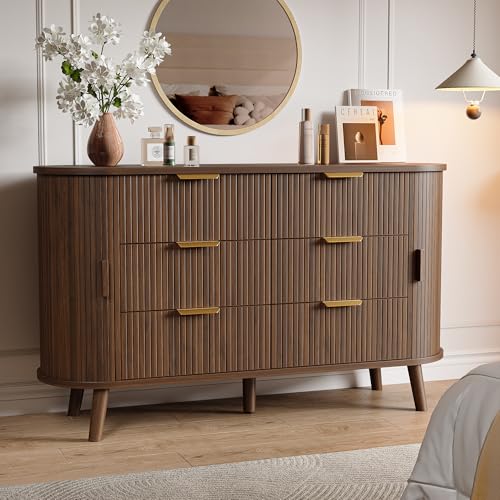
Dresser With Doors And Drawers: The Complete Guide
A hybrid dresser that combines closed cabinet doors with open drawers gives you the best of both worlds — concealed storage for bulky or less-presentable items, and quick-access drawers for everyday clothing.
Quick Answer
A dresser with doors and drawers — sometimes called a combination dresser or dresser with cabinets and drawers — pairs enclosed shelving behind cabinet doors with standard pull-out drawers in a single footprint. It suits people who want to hide clutter, store bulky items like sweaters and linens, and still keep daily essentials in easy-reach drawers. It is an especially strong pick for bedrooms with limited floor space, since one piece does the job of a dresser plus a small wardrobe cabinet.
What Is a Dresser With Doors and Drawers?
A dresser with doors and drawers is a storage piece that mixes two door styles in one unit: cabinet-style doors that swing open to reveal shelves, and traditional drawers that pull out on slides. Unlike a standard all-drawer dresser or a pure cabinet, this hybrid design lets you split your belongings by how often you use them and how presentable they need to look.
The cabinet section is typically used for items you want out of sight — folded blankets, off-season clothing, shoes, bags, or anything that looks messy on an open shelf. The drawer section handles everyday items such as socks, underwear, t-shirts, and accessories. Because the two zones serve different purposes, a combination dresser often replaces both a basic chest of drawers and a separate storage cabinet in one compact piece.
If you are still deciding between storage types, our comparison of a dresser vs armoire explains when a tall door-heavy piece makes more sense than a low combination unit.
Why Choose a Combination Dresser?
The appeal of a door-and-drawer dresser comes down to flexibility and visual calm. Open shelving can look cluttered, while an all-drawer unit can feel limiting for bulky items. A hybrid unit solves both problems at once.
Hidden Storage
Cabinet doors conceal bulky, irregular, or unattractive items so the bedroom stays visually tidy even when the interior is full.
Dual-Zone Organization
Separate daily clothing in drawers from occasional items behind doors — no more digging through a single deep drawer stack.
Space Efficiency
One footprint replaces a dresser plus a small storage cabinet, which matters in apartments and compact bedrooms.
Flexible Capacity
The cabinet section can hold tall or wide items that would never fit in a standard dresser drawer.
Design Variety
Available in styles from modern slab-front to farmhouse and rustic, matching almost any bedroom aesthetic.
Easy Decluttering
Because the door section hides mess, you can keep less-used items accessible without visual noise.
Pros and Cons of Doors Plus Drawers
No furniture design is perfect for everyone. Here is an honest look at the trade-offs before you commit.
Pros
- Conceals clutter behind cabinet doors
- Holds bulky items that drawers cannot
- Combines two storage functions in one piece
- Great for small bedrooms and apartments
- Often offers adjustable interior shelving
- Available across entry-level to premium tiers
Cons
- Door swing requires clearance in front
- Fewer drawers than a pure drawer dresser of the same width
- Cabinet interior can be awkward for very small items
- Cheaper builds may use thinner door panels
- Hinges need periodic adjustment over time
Common Door and Drawer Configurations
Combination dressers are not one fixed layout. The balance between doors and drawers varies widely, and the right split depends on what you own and how you store it.
Side-by-Side Layout
One side holds a stack of drawers, the other side holds a cabinet with shelves. This is the most common configuration and works well for couples who each want their own zone. The drawer column handles daily clothing, while the cabinet side swallows bulkier items.
Top Drawers, Bottom Doors
A row or two of shallow drawers sits above a lower cabinet section. The drawers are at comfortable waist height for everyday access, while the cabinet below takes heavier or less-used items. This layout keeps frequently used things within easy reach without bending.
Center Drawers, Flanking Doors
Wider units sometimes place a central drawer stack between two narrow cabinet doors. This creates a symmetrical, furniture-like look and works well as a focal point in larger bedrooms. The narrow door sections are ideal for shoes, bags, or folded linens.
Asymmetric and Specialty Layouts
Some designs mix a single tall door with multiple drawers, or add open cubbies alongside the closed storage. If you want more configuration options, explore a dresser with open shelves and drawers or a dresser with cubbies and drawers for a more modular feel.
Doors and Drawers vs Other Dresser Types
Comparing configurations side by side helps clarify where a hybrid unit fits.
| Configuration | Best For | Storage Strength | Space Notes |
|---|---|---|---|
| All drawers | Everyday clothing, socks, t-shirts | Fast access, uniform organization | Needs deep drawer slides |
| All doors (cabinet) | Bulky items, linens, bags | Hides clutter, tall items fit | Requires door swing clearance |
| Doors + drawers (hybrid) | Mixed wardrobes, small bedrooms | Balanced concealed and quick-access storage | One piece replaces two |
| Open shelves + drawers | Display and decor-focused rooms | Visible, curated storage | Dust-prone open areas |
If you are leaning toward a cabinet-forward look, a dresser with cabinets and drawers is essentially the same hybrid concept with a stronger emphasis on enclosed storage.
What to Look For When Buying
Door Construction and Hinges
Doors take daily wear, so hinge quality matters more than most shoppers expect. Look for adjustable concealed hinges, which allow you to correct sagging over time. Solid wood or high-grade engineered panels resist warping better than thin composite boards, especially in humid rooms.
Drawer Slides
Drawer hardware separates tiers more than any other component. Entry-level units often use basic side-mounted slides, while mid-range and premium models typically offer smooth ball-bearing or under-mount slides. If you plan to load drawers heavily, check for full-extension slides so you can reach the back.
Shelf Adjustability
Adjustable interior shelves are a major advantage in the cabinet section. Fixed shelves limit what you can store, while adjustable or removable shelves let you reconfigure for tall boots, stacked linens, or folded blankets as your needs change.
Interior Depth and Height
Measure the cabinet interior, not just the exterior footprint. A deep cabinet holds more, but shallow cabinets are easier to reach into. For bedrooms with tight walkways, a shallower depth reduces the door-swing clearance needed.
Material and Finish
Solid wood offers long-term durability and repairability, while engineered wood with quality veneers can be stable and consistent. Painted finishes show chips more readily than wood tones, so consider how much traffic the piece will see. Our dresser style guide covers how finishes pair with different bedroom aesthetics.
Practical tip: Open both doors and pull every drawer fully out in the store or check the product dimensions carefully online. The usable interior is often smaller than the exterior suggests, and door swing plus drawer extension together can demand more floor clearance than a plain dresser.
Sizing and Placement
Because a combination dresser does more, it often needs slightly more planning than a standard chest. The key measurements are width, depth, height, and — critically — clearance for doors and drawers.
For narrow rooms, a compact hybrid can replace a bulky wardrobe. If your space is tight, look at options sized for dressers for small spaces or a unit designed to fit in a closet. Where floor space is extremely limited, a dresser with doors and drawers in a slim profile keeps both storage types without eating the room.
Height matters too. A taller hybrid with a cabinet on top and drawers below can act as a semi-tall storage piece, while a low, wide unit doubles as a surface for decor or a TV. If you want a dual-purpose piece, consider a dresser TV stand combo configuration.
Where a Hybrid Dresser Works Best
Primary Bedrooms
The most natural home for a door-and-drawer dresser. Use drawers for daily clothing and the cabinet for off-season items, extra bedding, or bags. The closed section keeps the room feeling calm and hotel-like.
Guest Rooms
Guest rooms benefit from flexible storage: drawers for visitors' clothing and cabinet space for spare linens and pillows. A single hybrid piece covers both needs without cluttering the room.
Small Apartments and Studios
In a studio, one piece must multitask. A combination dresser can hold clothing behind doors, daily items in drawers, and still provide a flat top surface for a lamp, mirror, or small TV. Pair it with compact dressers for small spaces strategies to keep the layout open.
Nurseries and Kids' Rooms
For a nursery, the cabinet section stores diapers, wipes, and blankets out of sight, while drawers keep baby clothes organized. Some parents prefer a dedicated dresser to use as changing table, and a hybrid can work if the top surface is stable and at the right height.
Closets and Walk-Ins
If your closet has wall space but no built-in cabinetry, a combination dresser can sit inside and provide folded storage plus concealed shelving. See our guide to a dresser that fits in a closet for measurement tips.
Styling a Door-and-Drawer Dresser
The mix of flat drawer fronts and panel doors gives you a natural visual rhythm. Keep the top surface uncluttered — a mirror, a small lamp, and one decorative object are usually enough. Because the cabinet doors already add visual weight, avoid stacking too many items on top.
For a cohesive look, match hardware finishes across doors and drawers. Mixed-metal looks can work, but consistent pulls make a hybrid unit feel intentional rather than pieced together. If you want to coordinate the rest of the room, our dresser styles overview covers modern, farmhouse, rustic, and transitional approaches.
A mirror above the dresser brightens the room and adds function. If you like the idea of a built-in mirror, a dresser with mirror and drawers may be worth considering alongside the door-and-drawer option.
Understanding Quality Tiers
Combination dressers span a wide range of build quality. Rather than focusing on numbers, think in terms of tiers:
- Entry-level tier: Basic engineered wood, side-mounted slides, and standard hinges. Adequate for light use and guest rooms.
- Mid-range tier: Better panel construction, smoother drawer slides, and adjustable shelves. A solid choice for daily use in a primary bedroom.
- Premium tier: Solid wood or high-grade veneers, under-mount soft-close slides, and adjustable concealed hinges. Built for long-term daily wear.
- Luxury tier: Furniture-grade joinery, premium hardware, and finishes designed to age well. A long-term investment piece.
Across all tiers, check the door alignment, drawer glide smoothness, and interior finish quality. These details reveal more about build quality than the exterior styling alone.
Care and Maintenance
Hybrid units have more moving parts than a plain drawer dresser, so a little maintenance goes a long way. Tighten hinge screws periodically, especially on doors that are opened multiple times a day. Wipe door edges and drawer fronts with a soft damp cloth, and avoid harsh cleaners that can dull the finish.
If a door starts to rub or sag, adjustable hinges usually allow a simple correction with a screwdriver. For drawer slides, keep the tracks free of dust and debris; a quick vacuum with a brush attachment prevents grit buildup that wears down the mechanism.
Humidity swings affect wood and engineered panels alike. Keep the dresser away from direct heat sources and avoid placing it against a damp exterior wall to prevent warping over time.
Frequently Asked Questions
What is the difference between a dresser with doors and a wardrobe?
A wardrobe is typically a tall, full-height cabinet designed for hanging clothes, while a dresser with doors and drawers is lower and focused on folded storage. A wardrobe usually has a hanging rod; a combination dresser has shelves behind doors and drawers below or beside them. For a deeper comparison, see dresser vs wardrobe.
Is a door-and-drawer dresser good for small bedrooms?
Yes — it is one of the most space-efficient options because it replaces both a dresser and a small cabinet. The main caveat is door clearance: you need enough room in front of the unit for the doors to swing open fully. Measure the swing arc before buying.
How many drawers should a combination dresser have?
Most hybrid dressers include two to four drawers alongside one or two door sections. The right number depends on how much daily clothing you store in drawers. If you mostly fold clothes, lean toward more drawers; if you store bulky items, prioritize a larger cabinet section.
Can I use a dresser with doors and drawers as a TV stand?
Yes, provided the top surface is wide enough and the unit is stable. A low, wide hybrid can work well as a media console. If that is your plan, compare it with a purpose-built dresser TV stand to check height and cable management.
Are cabinet doors or drawers better for storing clothes?
Drawers are better for small, frequently used items like socks and t-shirts. Cabinet doors are better for bulky or less-used items like sweaters, blankets, and bags. A hybrid unit lets you use both methods in one piece, which is why it suits mixed wardrobes so well.
What should I check before buying online?
Check the exterior and interior dimensions, door swing direction, drawer extension type, shelf adjustability, and the material of the door panels. Read reviews about hinge and slide durability, since these are the parts most likely to need attention over time.
Final Thoughts
A dresser with doors and drawers is a practical answer for anyone who wants concealed storage and quick-access drawers in a single piece. It shines in small bedrooms, guest rooms, and apartments where every square foot counts, and it handles mixed wardrobes better than either an all-drawer or all-cabinet design.
Focus your decision on three things: the door-to-drawer ratio that matches your belongings, the hardware quality of hinges and slides, and the clearance your room can spare for door swing and drawer extension. Get those right, and a hybrid dresser will serve your bedroom for years.