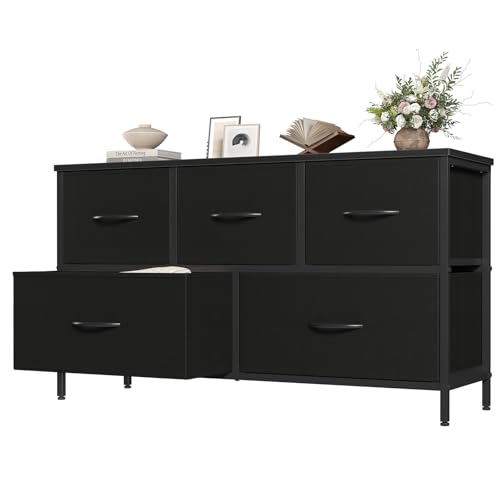
Dresser Drawer Furniture: The Complete Guide to Choosing the Right Piece
Understand drawer construction, slide mechanisms, materials, and layout options so you can pick dresser drawer furniture that keeps your bedroom organized for years.
Dresser drawer furniture is the workhorse of bedroom storage. Unlike decorative accent pieces, a dresser is used every single day, which means its drawers, slides, and frame need to hold up to constant opening and closing. This guide breaks down exactly what to look for, from drawer box construction to slide types and interior organization, so you can make a confident decision before you buy.
What Counts as Dresser Drawer Furniture?
The term dresser drawer furniture covers any storage piece built around a set of sliding drawers, usually intended for clothing and personal items in a bedroom or closet. It is a broad category that includes several distinct forms:
- Standard dressers – wide, relatively low units with a flat top that often holds a mirror, lamp, or decorative objects.
- Chests of drawers – taller, narrower stacks of drawers that fit into tight wall spaces. Explore our double chest of drawers guide for larger configurations.
- Tallboys and highboys – vertical pieces with five or more drawers stacked in a compact footprint.
- Specialty drawer units – such as nine-drawer units for serious storage volume, or compact dressers designed for closets and small rooms.
What ties all of these together is the drawer system itself. A dresser with poorly built drawers will feel flimsy no matter how attractive the exterior looks, which is why the drawer deserves the most attention during your research.
The Anatomy of a Quality Dresser Drawer
Before comparing styles, it helps to know what a drawer is actually made of. Every dresser drawer has four core components, and each one affects how the piece performs over time.
1. The Drawer Box
The drawer box is the container itself. High-grade boxes use dovetail joints, where interlocking wedge-shaped cuts mechanically hold the corners together without relying solely on glue. Mid-tier options often use doweled or rabbeted joints, while entry-level pieces frequently rely on stapled or nailed construction. Dovetail joinery is the clearest signal of durable construction, especially in the front corners where daily pulling stress concentrates.
2. The Drawer Front
The front is the visible face of the drawer. Solid wood fronts offer the most authentic grain and can be sanded and refinished later, while engineered wood with veneer provides excellent stability and consistent color. Learn more about matching fronts to hardware in our drawer front guide.
3. The Drawer Bottom
A thin, unsupported bottom is one of the most common failure points in low-quality dressers. Look for bottoms that are at least 3–5 mm thick and set into a groove rather than stapled to the underside. Heavier loads, such as jeans and sweaters, will quickly reveal a weak bottom.
4. The Slides
Slides determine how smoothly the drawer travels. This is covered in detail in the next section, but the short version is that full-extension ball-bearing slides outperform basic side-mounted friction slides in every measurable way.
Quick check: Pull a display drawer all the way out. If it stops halfway, it uses a partial-extension slide. If it glides out fully and resists wobble when you press down on the open drawer, you are looking at a better-engineered piece.
Drawer Slide Types Compared
The slide mechanism is the single biggest factor in how a dresser feels day to day. The table below compares the main options you will encounter.
| Slide Type | Tier Typically Found | Best For | Key Trait |
|---|---|---|---|
| Side-mounted friction slides | Entry-level | Light clothing, guest rooms | Simple, but can bind when loaded unevenly |
| Euro-style roller slides | Entry-level to mid-range | General bedroom storage | Smooth rolling action at a lower complexity |
| Ball-bearing side slides | Mid-range | Daily-use dressers | Noticeably smoother than friction slides |
| Full-extension ball-bearing slides | Premium | Deep drawers, heavy clothing | Full access to the entire drawer interior |
| Soft-close undermount slides | Luxury | Bedrooms, nurseries | Concealed mechanism and quiet closing |
If you regularly store bulky items such as folded sweaters or jeans, full-extension slides are worth prioritizing because they let you reach the back of the drawer without removing items. For heavy loads, review our notes on heavy-duty full-extension drawer slides to confirm the load rating matches your needs.
Choosing Drawer Count and Layout
The right number of drawers depends on how much you store and how much floor or wall space you have. Use this as a starting framework:
- 3–4 drawers: Compact bedrooms, guest rooms, or closets. A wide low dresser with a few deep drawers often stores more than a narrow tall unit.
- 5–6 drawers: The most common household configuration. A six-drawer wide dresser balances capacity with a reasonable footprint.
- 8–9 drawers: Best for couples or large wardrobes. A nine-drawer unit lets you separate categories cleanly.
Layout matters as much as count. A mix of shallow and deep drawers is more practical than uniform drawers, because shallow drawers suit socks and undergarments while deep drawers handle folded tops and bedding. For a dedicated solution to small items, see our guide to storing socks and underwear.
Narrow vs. Wide Configurations
Room layout should drive this decision. A double wide dresser maximizes storage along a long empty wall, while a tall narrow chest fits into tight corners beside a door or window. If space is genuinely limited, start with our dresser options for small spaces.
Materials and Finishes for Drawer Furniture
Material choice affects durability, weight, and how the piece ages. Here is how the main options compare in practical terms.
- Solid wood: The most durable option and the easiest to repair or refinish. Oak and maple are dense and hard-wearing; pine is softer but lighter. Expect solid wood in the premium and luxury tiers.
- Engineered wood with veneer: Stable and resistant to seasonal movement, with a consistent finish. Quality varies widely, so check the drawer box construction rather than the exterior alone. Our dresser quality guide explains what separates a good veneer build from a weak one.
- Metal: A metal dresser suits industrial and modern rooms, resists moisture, and is straightforward to clean. Drawer interiors may still be lined with wood or fabric.
- Rattan and bamboo: Lighter pieces with strong visual texture, best for lower-traffic rooms and breathable storage.
Hardware is the finishing touch and the part you touch most often. Solid metal drawer pulls and knobs outlast plated zinc alternatives, and swapping hardware is the easiest way to refresh an existing piece. Our dresser hardware guide covers sizing and spacing in detail.
Organizing Dresser Drawers Effectively
Good dresser drawer furniture is only half the solution; the other half is how you use the space inside. A few inexpensive additions transform a set of empty drawers into a genuinely efficient system.
Use Dividers and Organizers
Dividers prevent the contents of a deep drawer from collapsing into a single pile. Our drawer dividers guide covers layout patterns for everything from socks to activewear. Purpose-built drawer organizers are especially effective in shallow top drawers, and a dedicated drawer jewelry organizer keeps small valuables from tangling.
Assign Drawers by Frequency
Place the items you use daily in the top drawers, which are easiest to reach, and reserve lower drawers for seasonal items or heavier clothing. This simple rule reduces how often you need to bend or fully open the lower drawers.
Rotate Seasonally
Swap heavy winter layers into lower drawers during warmer months and bring lighter clothing up. Rotating contents also gives you a natural opportunity to clear out items you no longer wear. For broader room-level systems, see our dresser organization ideas.
Tip: Line shallow drawers with a non-slip mat before adding dividers. It stops the organizer from sliding when the drawer opens and closes, and it protects the drawer bottom from everyday wear.
Dresser Drawer Furniture Buying Checklist
Use this checklist when comparing options in a store or reviewing product listings online. It prioritizes the factors that most strongly affect long-term satisfaction.
- Inspect the drawer box joints. Dovetail joints signal durable construction; stapled corners are a warning sign.
- Test the slides. Open and close every drawer fully. It should glide without racking or wobble.
- Check the drawer bottom. Confirm it is set into a groove and thick enough for your typical load.
- Confirm the layout. Mix shallow and deep drawers to match your clothing categories.
- Verify the footprint. Measure your wall space and account for door swing and walkway clearance.
- Review the finish. Look for even coverage and sealed edges, especially on engineered wood.
- Match hardware to your routine. Larger pulls are easier to grip; consider durability over decoration.
For a full framework covering size, style, and room fit, pair this checklist with our comprehensive dresser buying guide.
Frequently Asked Questions
What is dresser drawer furniture?
It refers to storage pieces built around sliding drawers, typically used in bedrooms and closets. The category includes standard dressers, chests of drawers, tallboys, and specialty drawer units for clothing and personal items.
What is the difference between a dresser and a chest of drawers?
A dresser is generally wider and lower with a flat display top, while a chest of drawers is taller and narrower with drawers stacked vertically. Both fall under dresser drawer furniture but suit different room layouts.
Which drawer slide type is best?
Full-extension ball-bearing slides offer the smoothest operation and full access to the drawer interior. Entry-level pieces often use side-mounted friction slides, while premium and luxury tiers add soft-close undermount mechanisms.
How many drawers should a dresser have?
Three to four drawers suit compact rooms, five to six work well for couples, and eight to nine drawers provide generous storage for larger households or wardrobes. Mixed drawer depths are more practical than uniform sizes.
How do I keep dresser drawers organized?
Use dividers and organizers in shallow drawers, assign the most frequently used items to the top drawers, and rotate seasonal clothing to the lower drawers. Non-slip liners help keep organizers in place.