Cedar Blanket Chest: The Complete Buying Guide
Discover why a cedar blanket chest is one of the most trusted storage solutions for preserving blankets, linens, and heirlooms. Learn about wood quality, sizes, styles, and how to choose the right chest for your bedroom.
A cedar blanket chest is more than just a piece of bedroom furniture — it is a time-honored storage solution trusted for generations. Whether you are protecting seasonal blankets, storing family heirlooms, or simply looking for an elegant way to organize your bedroom, a cedar chest offers a combination of natural protection, durability, and classic style that few other storage pieces can match.
Unlike ordinary storage trunks, a cedar blanket chest is built from wood that actively works to preserve its contents. The natural oils in cedar repel insects, resist moisture, and help maintain a stable interior environment for textiles. This makes a cedar chest an ideal choice for anyone who wants to store blankets, quilts, woolens, and linens without worrying about damage from moths or humidity.
In this guide, we will walk you through everything you need to know before choosing a cedar blanket chest — from understanding wood grades and construction quality to selecting the right size, style, and finish for your space. By the end, you will have the confidence to make a well-informed decision.
Quick summary: A cedar blanket chest is a storage trunk made from cedar wood, valued for its natural insect-repelling and moisture-resistant properties. It is available in a range of sizes and styles, from entry-level models to premium heirloom-quality pieces. The right choice depends on your storage needs, available space, and the quality tier that matches your long-term expectations.
What Is a Cedar Blanket Chest?
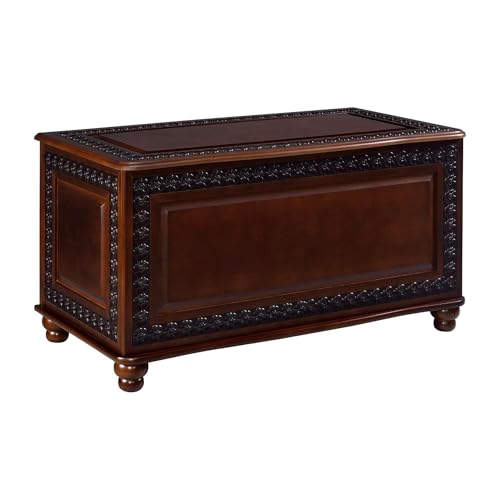
A cedar blanket chest is a rectangular storage box with a hinged lid, traditionally crafted from cedar wood. Also known as a hope chest or storage trunk, it is designed to store blankets, quilts, linens, clothing, and other textiles. The chest typically features a flat top that can double as a bench or display surface, and many models include interior compartments, trays, or dividers for better organization.
Historically, cedar chests were given as gifts to young adults as they prepared for marriage — hence the term "hope chest." Today, they remain popular for their practical storage capacity and the natural protective qualities of cedar wood. Modern cedar blanket chests come in a wide variety of styles, from rustic and farmhouse designs to sleek contemporary pieces that blend seamlessly with modern bedroom decor.
Cedar chests are often used at the foot of the bed, in a closet, or as a standalone accent piece in a living room or hallway. Their versatility makes them a valuable addition to any home, particularly for those who need extra storage without sacrificing style. If you are comparing storage options, you may also want to explore chest of drawers styles to understand how chests differ from dressers in terms of access and capacity.
Why Cedar Wood Is the Preferred Choice
Cedar wood has been used for centuries in chest-making for good reason. Its natural properties make it uniquely suited to protecting stored textiles. Here are the key benefits of cedar wood:
- Natural insect repellent: Cedar contains aromatic oils that naturally repel moths, silverfish, and other insects that can damage fabrics.
- Moisture resistance: Cedar is naturally resistant to moisture absorption, helping to prevent mold and mildew in stored items.
- Aromatic freshness: The distinctive cedar scent keeps stored linens smelling fresh and clean.
- Durability: Cedar is a durable wood that resists warping, cracking, and rot, making it a long-term investment.
- Lightweight: Compared to other hardwoods, cedar is relatively lightweight, making it easier to move and reposition.
- Sustainable: Cedar is a fast-growing, renewable resource, making it an environmentally conscious choice.
There are different types of cedar used in blanket chests, including aromatic red cedar, Spanish cedar, and white cedar. Aromatic red cedar is the most common choice for chest interiors due to its strong insect-repelling properties. Spanish cedar, despite its name, is actually a hardwood and is often used for the exterior of high-end chests due to its rich color and fine grain. If you are interested in exploring other wood types for bedroom furniture, you may find our guide to cedar chest antiques helpful for understanding vintage construction techniques.
It is worth noting that some entry-level cedar chests use cedar only for the interior lining, while the exterior is made from another wood or engineered material. Mid-range and premium models typically use solid cedar throughout, which provides better protection and longevity. When comparing options, always check whether the cedar is solid or a veneer.
Sizes and Capacity: Choosing the Right Chest
Cedar blanket chests come in a variety of sizes, from compact trunks suitable for small spaces to large chests that can accommodate multiple blankets and quilts. Choosing the right size depends on two factors: how much you need to store and where you plan to place the chest.
Common Size Categories
- Compact / entry-level: Typically around 30 to 36 inches wide. Best for storing a few blankets or seasonal items. Suitable for small bedrooms, apartments, or at the foot of a twin or full bed.
- Standard / mid-range: Typically around 40 to 48 inches wide. The most common size, offering a balance of storage capacity and footprint. Fits well at the foot of a queen bed.
- Large / premium: Typically 50 inches wide and above. Designed for maximum storage, often with interior trays or compartments. Best for spacious bedrooms or as a standalone storage piece in a living area.
When selecting a size, consider the height as well. Standard cedar chests are usually around 18 to 24 inches tall, which allows them to double as a bench. Taller chests offer more volume but may be less comfortable to sit on. Also, consider the depth — deeper chests provide more storage but may protrude further into walkways.
If you are planning to place your chest at the foot of the bed, measure the width of your bed frame and leave at least 18 to 24 inches of clearance on each side for walking. For small bedrooms, a compact cedar chest can serve as both storage and a seating area. You may also want to explore low and wide chest of drawers options if you prefer drawer access over a lid.
Styles and Finishes
Cedar blanket chests are available in a wide range of styles, allowing you to find a piece that complements your bedroom decor. Here are the most popular styles:
- Traditional / classic: Clean lines, often with a curved lid and decorative trim. A timeless choice that fits most bedroom settings.
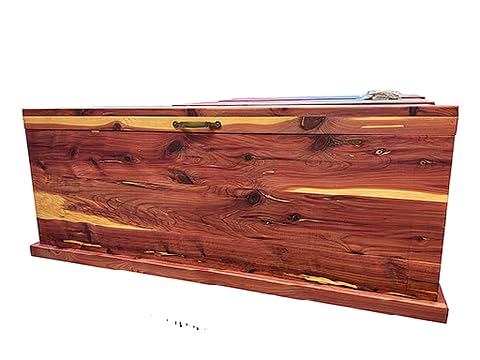
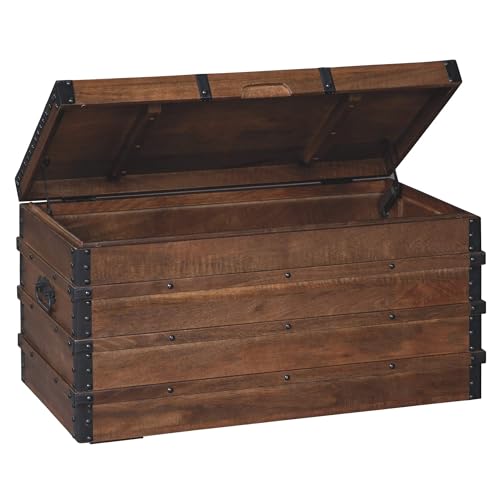
- Rustic / farmhouse: Distressed finishes, visible wood grain, and simple hardware. Perfect for cottage, farmhouse, or country-style interiors.
- Modern / contemporary: Minimalist lines, sleek finishes, and often no visible hardware. Ideal for contemporary bedrooms.
- Vintage / antique: Reclaimed or antique chests with a weathered patina. Each piece has its own history and character.
- Mid-century modern: Tapered legs, clean geometric lines, and warm wood tones. A stylish choice for retro-inspired decor.
In terms of finish, cedar chests are typically left natural or stained to enhance the wood's color. Natural cedar has a warm, reddish-brown tone that deepens over time. Some chests are painted in colors such as white, black, or gray, which can help them blend with specific color schemes. If you are considering a painted piece, keep in mind that the exterior finish does not affect the cedar's protective properties on the interior.
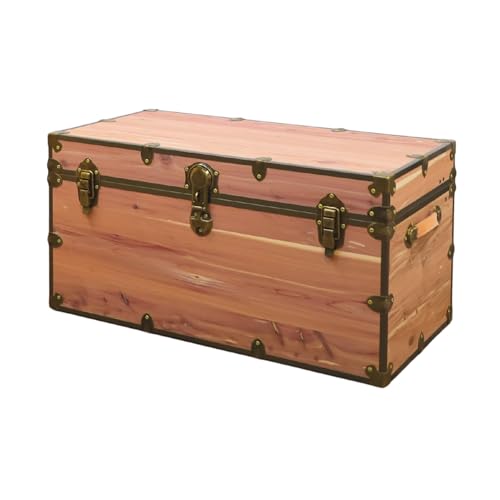
Hardware also plays a role in style. Traditional chests may feature brass or antique-finish hinges and locks, while modern chests often use simple, understated hardware. Some chests include safety hinges that prevent the lid from slamming shut, a valuable feature for households with children. If you are exploring other bedroom furniture styles, you may find our guides on campaign style dresser and carved dresser useful for matching your decor.
Construction and Quality Tiers
The construction quality of a cedar blanket chest varies significantly across the market. Understanding the differences between quality tiers can help you choose a chest that meets your expectations for durability and craftsmanship.
| Quality Tier | Materials | Construction | Best For |
|---|---|---|---|
| Entry-level | Cedar veneer over engineered wood; thin cedar lining | Stapled or nailed joints; basic hardware | Occasional use, light storage, temporary needs |
| Mid-range | Solid cedar interior; mixed wood or veneer exterior | Glued and screwed joints; quality hinges; interior tray | Regular use, long-term blanket storage, family use |
| Premium | Solid aromatic cedar throughout; hardwood exterior | Dovetail or mortise-and-tenon joinery; soft-close hinges | Heirloom storage, daily use, demanding environments |
| Luxury / heirloom | Hand-selected solid cedar; premium hardwood exterior; fine finish | Traditional joinery; hand-finished details; custom hardware | Generational use, collectors, high-end interiors |
When evaluating construction, pay attention to the following details:
- Joinery: Dovetail joints are a sign of high-quality construction, as they are strong and durable. Stapled or nailed joints are common in entry-level pieces and may loosen over time.
- Lid support: A quality chest should have sturdy hinges and a lid support mechanism to prevent the lid from slamming shut. Safety hinges are especially important if children are present.
- Interior finish: The interior should be smooth and free of rough spots that could snag fabrics. Some chests include a cedar-lined tray or divider for small items.
- Lining: Some premium chests are lined with a soft fabric or felt on the bottom to protect delicate textiles.
- Odor: A genuine cedar chest should have a distinct cedar aroma. If the scent is weak or absent, the cedar content may be minimal.
It is also worth considering whether the chest includes a lock. A lock can provide added security for valuable items, but it is not essential for most users. If you choose a locked chest, keep the key in a safe place and consider a child-safe lock if young children are in the home.
Cedar vs Other Woods: A Comparison
While cedar is the traditional choice for blanket chests, other woods are also used. Here is how cedar compares to common alternatives:
| Wood Type | Insect Resistance | Moisture Resistance | Aroma | Durability | Best For |
|---|---|---|---|---|---|
| Cedar | Excellent (natural oils) | Excellent | Distinct cedar scent | High | Textile storage, heirlooms |
| Pine | Low | Moderate | Mild | Moderate | General storage, painted finishes |
| Oak | Low | Good | Neutral | Very high | Heavy-duty storage, furniture |
| Walnut | Low | Good | Neutral | High | Premium furniture, decorative pieces |
| Engineered wood | None | Low | None | Low to moderate | Entry-level storage, temporary use |
As the table shows, cedar stands out for its natural insect and moisture resistance, making it the clear choice for storing textiles. While oak and walnut are more durable in terms of structural strength, they do not offer the same protective benefits for fabrics. If you are primarily storing blankets and clothing, cedar is the superior option. If you need a chest for general storage or heavy items, other woods may be more suitable.
For those interested in alternative storage solutions, exploring bureau drawer options or cabinet with drawers and doors may provide additional organization possibilities for your bedroom.
Placement and Room Ideas
A cedar blanket chest is a versatile piece that can be placed in various locations around the home. Here are some popular placement ideas:
- At the foot of the bed: The classic placement, providing easy access to blankets and serving as a bench. Choose a chest that is slightly narrower than your bed for a balanced look.
- In a closet: A cedar chest can be placed in a walk-in closet to store off-season clothing and linens. Ensure there is enough clearance to open the lid fully.
- Under a window: A low chest can double as a window seat, combining storage with a cozy reading nook.
- In a living room: A cedar chest can serve as a coffee table or console table while providing hidden storage for blankets and games.
- In an entryway: A chest near the front door can store gloves, scarves, and other seasonal accessories.
When placing your chest, avoid direct sunlight, which can fade the wood over time. Also, keep the chest away from heat sources and damp areas to prevent warping or moisture damage. If you are placing the chest on a hardwood floor, consider using felt pads to protect the floor from scratches.
For small bedrooms, a compact cedar chest can be a space-saving solution that doubles as seating. If you are looking for more storage ideas for small spaces, you may find our guides on chest of drawers to fit in closet and chest of drawers for walk-in closet helpful.
Care and Maintenance
To keep your cedar blanket chest in excellent condition for years to come, follow these care tips:
- Refresh the cedar aroma: Lightly sand the interior with fine-grit sandpaper every year or two to revive the cedar scent and insect-repelling properties.
- Dust regularly: Use a soft, dry cloth to dust the exterior. Avoid using harsh chemical cleaners that can damage the finish.
- Clean spills promptly: Wipe up spills immediately with a damp cloth, then dry thoroughly.
- Avoid direct sunlight: Prolonged exposure to sunlight can fade and dry out the wood.
- Control humidity: Keep the chest in a room with moderate humidity. Avoid placing it in damp basements or bathrooms.
- Air out occasionally: Leave the lid open for a few hours every few months to allow the interior to breathe and prevent musty odors.
- Check hardware: Periodically tighten hinges and lubricate moving parts to ensure smooth operation.
With proper care, a quality cedar blanket chest can last for decades, becoming a cherished family piece. If you are interested in restoring an older chest, our guide to cedar chest antiques offers valuable insights into preservation techniques.
Ready to Explore Cedar Blanket Chests?
Browse our curated selection of cedar blanket chests and find the perfect storage solution for your bedroom. Compare features, sizes, and styles to make an informed decision.
View Recommended ChestsFrequently Asked Questions
A cedar blanket chest is a storage trunk made from cedar wood, traditionally used to store blankets, linens, and clothing. Cedar naturally repels insects and resists moisture, making it an excellent choice for long-term textile storage.
Cedar wood contains natural oils that repel moths and insects, resist moisture, and regulate humidity. Its aromatic properties help keep stored textiles fresh and protected from damage. This makes cedar an ideal material for preserving blankets, quilts, and woolens.
The right size depends on your storage needs and available space. Standard chests range from compact entry-level sizes suitable for foot-of-bed placement to large high-end tiers that accommodate multiple blankets and linens. Measure your space carefully before purchasing, and consider whether you want the chest to double as a bench.
Lightly sand the interior occasionally to refresh the cedar aroma, keep the chest away from direct sunlight, and avoid placing it in damp areas. Dust regularly with a soft cloth and use a mild wood cleaner for the exterior. Air out the chest every few months to prevent musty odors.
Cedar is safe for most fabrics, including wool, cotton, and linen. However, some delicate fabrics or items with metal embellishments may be affected by the cedar oils over time. For valuable or delicate items, consider placing them in a cotton bag or lining the chest with acid-free tissue paper before storage.
Yes, cedar chests are versatile and can be used to store a variety of items, including seasonal clothing, shoes, books, games, and memorabilia. Some people use them as a coffee table, bench, or console table. Just be mindful that the cedar aroma may transfer to items stored inside.