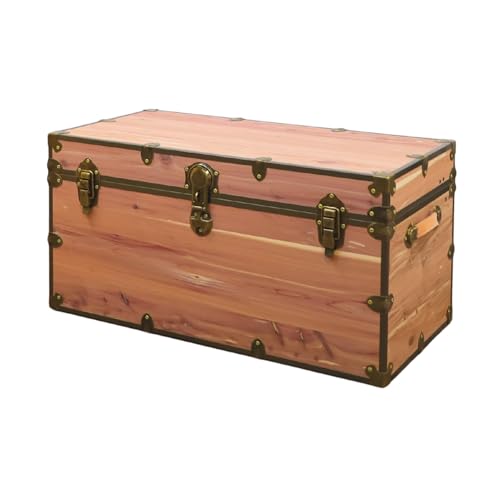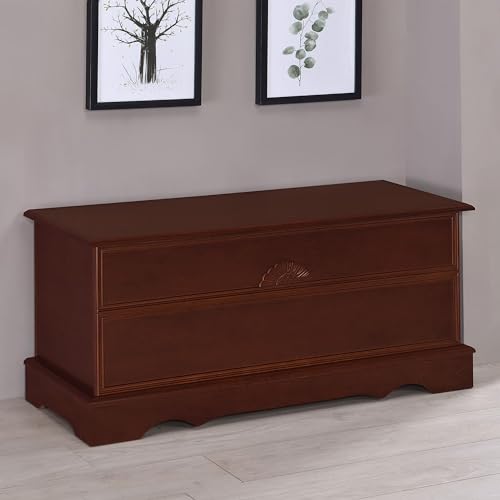
Cedar Chest Antiques: Timeless Storage & Craftsmanship
Discover the enduring charm of antique cedar chests. From history and value to care and buying, your complete guide to these cherished heirlooms.
Start Your SearchWhy Cedar Chests? For generations, cedar chests have been prized for their aromatic wood, natural moth-repellent properties, and timeless beauty. Whether you're a collector, a decorator, or looking for functional storage, understanding these antiques is the first step to making a wise purchase.
The Rich History of Cedar Chests
The story of the cedar chest is deeply woven into American history. In the 19th and early 20th centuries, these chests were often given as gifts to young women for their "hope chests" — a place to store linens, quilts, and other treasured items in preparation for married life. Companies like Lane became household names, producing millions of cedar chests from the 1910s through the 1980s. Today, these pieces are highly collectible and offer a tangible connection to the past.
📜 Historical Value
Antique cedar chests from the early 20th century can hold significant historical and sentimental value, especially those with original keys, labels, or unique craftsmanship.
🪵 Aromatic Cedar
The distinct scent of cedar comes from natural oils that act as a deterrent to moths and other pests, making them perfect for protecting woolens, blankets, and delicate fabrics.
🛠️ Craftsmanship
Many antique chests feature dovetail joints, solid wood construction, and intricate hardware that reflect the high-quality woodworking of their era.
How to Identify and Evaluate an Antique Cedar Chest
Before you buy, it's essential to know what to look for. Not all old chests are valuable, and condition is key. Here are the critical factors to consider:
- Construction: Look for solid cedar, not particleboard or veneer. Dovetail joints on drawers and corners are a hallmark of quality.
- Hardware: Original brass or iron handles, hinges, and locks add value. Look for the manufacturer's name or patent numbers.
- Condition: Check for cracks, warping, water damage, or heavy scratches. A well-preserved chest with a working lock is more desirable.
- Provenance: Chests with original labels, receipts, or a documented history are more valuable to collectors.
💰 What's It Worth? Understanding Cedar Chest Value
The value of a cedar chest antiques can range from $150 to over $2,500 depending on age, brand, condition, and rarity.
- Entry-Level (Under $300): Common 1950s-70s chests in fair condition, often with some wear.
- Mid-Range ($300 – $800): Well-preserved pieces from the 1920s-40s, with original hardware and good cedar scent.
- Premium (Over $800): Rare designs, custom-made chests, or those with unique historical significance, such as Lane "Cedar Chest" with original purchase documentation.
Tip: Always compare prices online and consider having a professional appraisal if you're considering a significant investment.
Caring for Your Antique Cedar Chest
Proper maintenance ensures your cedar chest remains a functional and beautiful piece for generations. Here are some expert tips:
- Refresh the Scent: Over time, the cedar aroma fades. Gently sand the interior with fine-grit sandpaper to release new oils, or use cedar oil on a cloth to restore the scent.
- Cleaning: Dust regularly with a soft cloth. For deeper cleaning, use a mild wood cleaner and polish, and avoid harsh chemicals.
- Placement: Keep your chest away from direct sunlight, heat vents, and damp basements to prevent wood warping and finish damage.
- Hardware Care: Polish metal hardware with a brass or silver cleaner to prevent tarnish, but be careful not to damage the surrounding wood.
Explore More Antique & Storage Guides
If you're interested in other antique and vintage furniture, you might also enjoy our guides on:
Buying Guide: Where and How to Buy Antique Cedar Chests
Ready to find your own antique cedar chest? Here's a strategic approach to ensure you get a piece you'll love for years.
- Online Marketplaces: Sites like eBay, Etsy, and specialized antique dealers offer a wide selection. Always check seller reviews and ask for detailed photos of the interior, hardware, and any damage.
- Local Antique Shops: Visiting in person allows you to inspect the piece thoroughly. You can also assess the aroma and feel the construction quality firsthand.
- Estate Sales: These can be treasure troves for antique furniture. Check local listings and attend sales early for the best selection.
- Auctions: Both online and live auctions can be great sources. Set a budget and factor in buyer's premiums and shipping costs.
🧐 Expert Tip: Before You Buy
Always ask the seller if the chest has been restored or refinished. A poor refinishing job can significantly reduce its value. Also, check for the "cedar smell" – if it's absent, the chest may have been sealed or veneered, which diminishes its primary benefit.